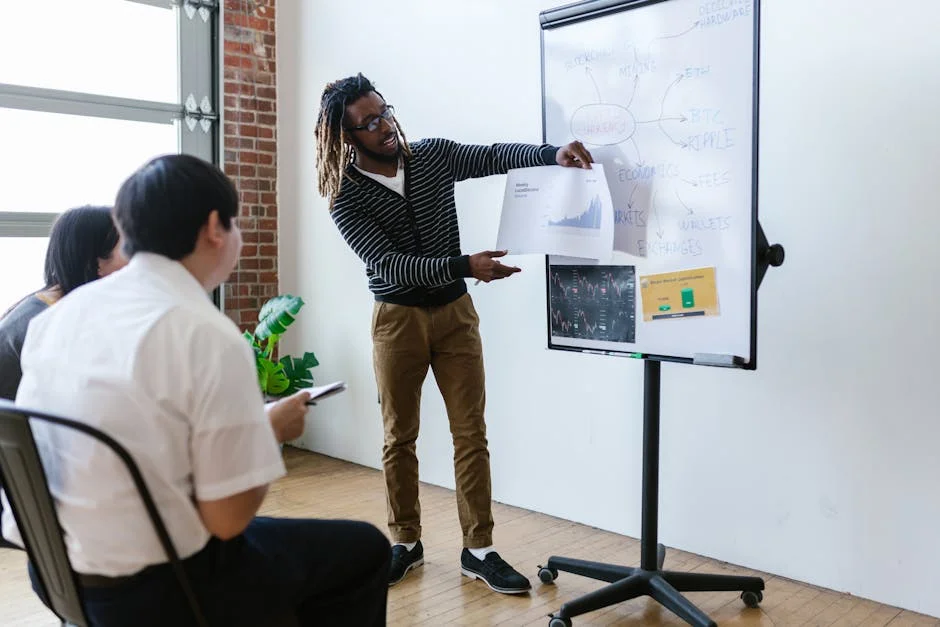
WION, the global news network, has launched its annual PULSE of the Changing World Order forum in New Delhi, bringing together policymakers, economists, and analysts to dissect the evolving geopolitical and economic landscape. The event, held in March, coincides with a critical juncture for Africa, where development goals face both challenges and opportunities amid global realignments. The forum aims to address how shifting power dynamics impact regional stability, trade, and governance across the continent.
What Is the Changing World Order?
The term "Changing World Order" refers to the gradual redistribution of global power, economic influence, and strategic alliances. Experts at the forum argue that the post-pandemic era, coupled with conflicts in Europe and rising tensions between major economies, has accelerated this transformation. For Africa, the implications are profound, as traditional partners like the EU and the US face internal pressures, creating space for emerging powers such as China and India to expand their influence.
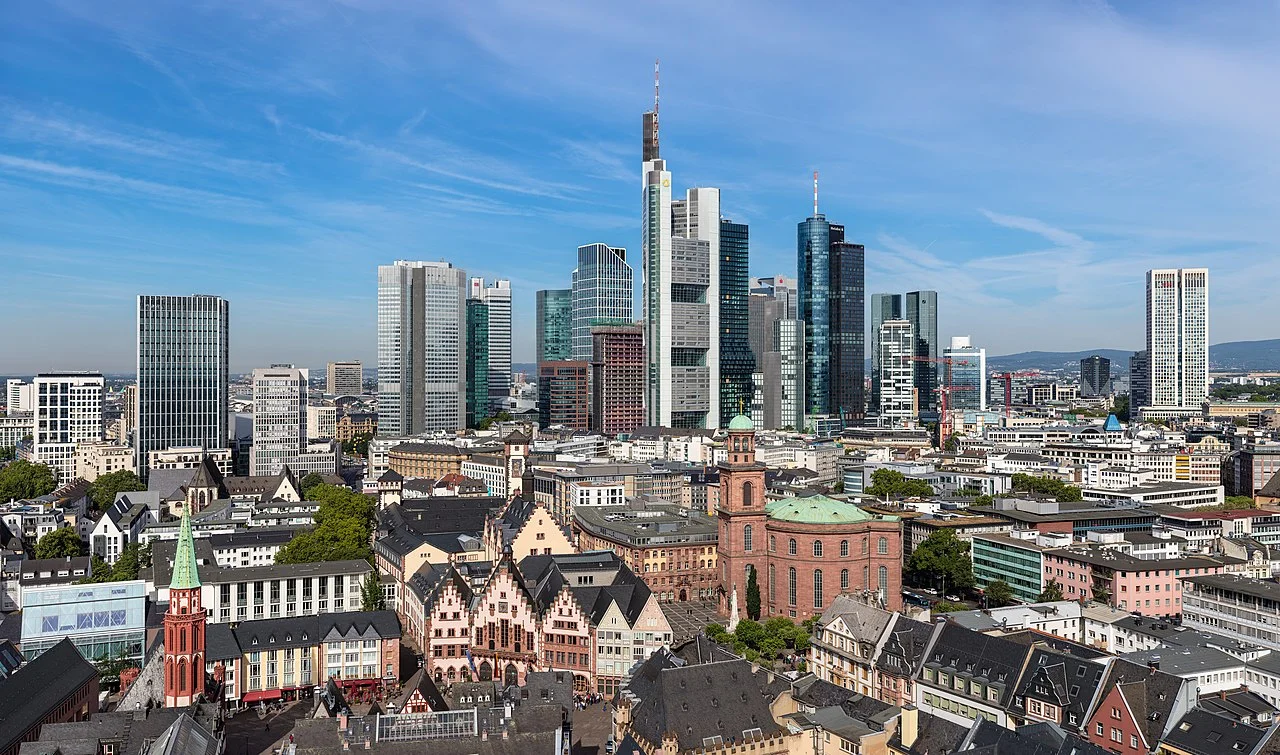
Participants emphasized that the World economy update is a focal point, with many African nations reliant on commodity exports and foreign investment. "The shift from Western-dominated systems to multipolar structures could either empower African countries or deepen vulnerabilities if not managed carefully," said Dr. Amina Juma, a senior analyst at the African Policy Institute. The forum highlighted the need for Africa to diversify its economic partnerships and strengthen regional integration.
Implications for Africa’s Development Goals
Africa’s progress toward the United Nations’ Sustainable Development Goals (SDGs) hinges on its ability to navigate the changing world order. The forum underscored that infrastructure, education, and health sectors require sustained investment, which is increasingly tied to global financing mechanisms. However, rising debt levels and geopolitical competition for resources pose significant risks.
Panelists noted that Nigeria, Africa’s largest economy, is particularly sensitive to global shifts. "How the World affects Nigeria is a matter of survival," said economist Chidi Okoro. "A slowdown in major markets could trigger currency fluctuations, inflation, and reduced foreign direct investment." The forum called for policy reforms to attract sustainable investments and reduce reliance on volatile global markets.
Why March Matters: Timing and Global Context
The forum’s timing in March is significant, as it aligns with the start of the African Union’s annual summit and key economic reports from global institutions. March news today highlights the urgency of addressing climate change, food insecurity, and youth unemployment, all of which are exacerbated by global instability. "Why March matters is that it sets the tone for the year’s priorities," said WION correspondent Priya Mehta. "African leaders must leverage this moment to advocate for equitable global policies."
Participants also stressed the importance of digital transformation in Africa’s development. With 60% of the continent’s population under 25, investing in education and technology is critical. However, the digital divide remains a barrier, as access to high-speed internet and skilled labor lags behind global standards. The forum urged governments to collaborate with private sector players to bridge this gap.
What’s Next for Africa in a Shifting World?
The PULSE forum concluded with a call for proactive strategies to harness the opportunities of the new world order. Key recommendations included strengthening the African Continental Free Trade Area (AfCFTA), enhancing regional cooperation, and prioritizing green energy projects to attract international funding. "Africa cannot afford to be a passive observer," said panelist Dr. Naledi Molefe. "We must shape our narrative and assert our interests."
As the world reorients, the stakes for Africa are high. The March forum has sparked a vital dialogue on how to align continental ambitions with global trends. For readers in Nigeria and beyond, the message is clear: the World’s evolving dynamics demand vigilance, innovation, and a unified approach to secure a prosperous future.