Ali Larijani, a senior Iranian cleric and former parliament speaker, was killed in a targeted attack in Tehran on October 25, 2023, triggering widespread anxiety across the Middle East and raising concerns about regional stability. The incident, attributed to an internal power struggle within Iran’s hardline factions, has intensified fears of escalating tensions that could disrupt global energy markets, with ripple effects for African nations reliant on oil imports and geopolitical partnerships.
Iran's Strategic Role in Global Energy Markets
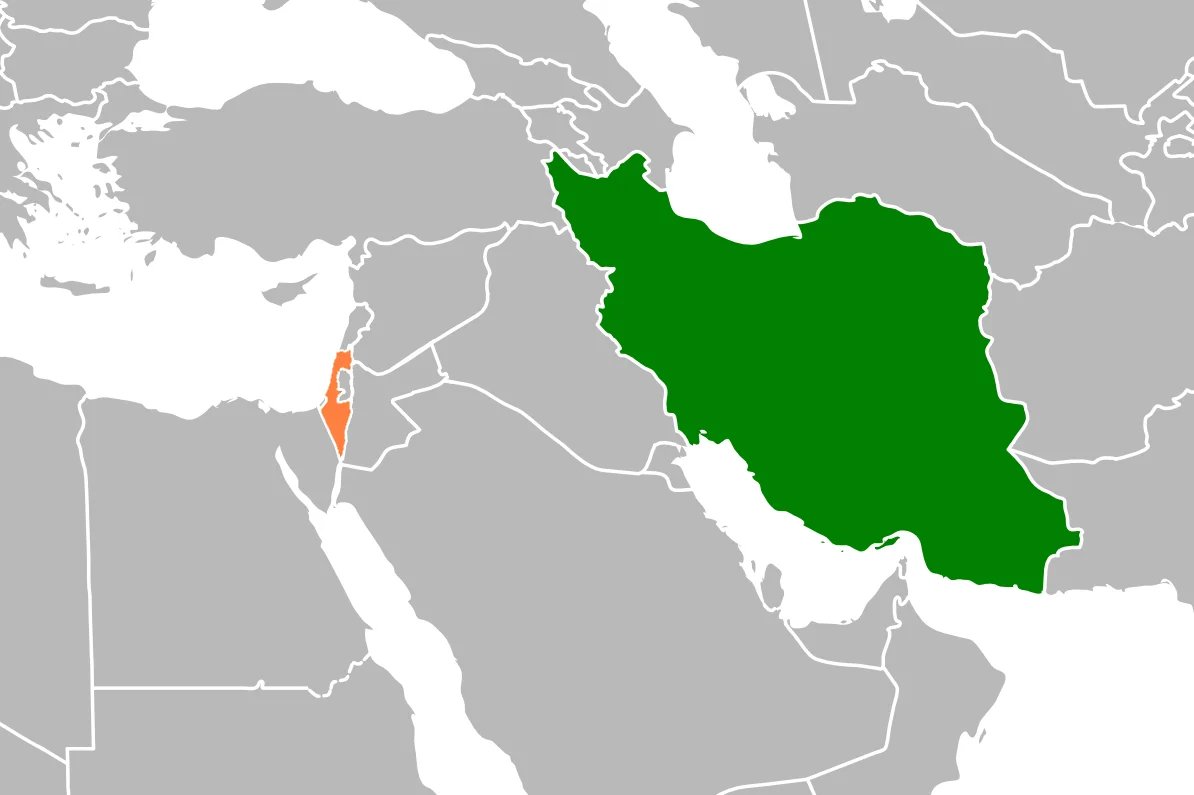
Iran, a key player in OPEC and a major exporter of crude oil, holds significant influence over global energy prices. The country’s strategic location between the Persian Gulf and the Caspian Sea makes it a critical transit route for oil and gas pipelines, including the proposed Iran-Pakistan-India (IPI) pipeline. Analysts warn that prolonged instability in Iran could disrupt supply chains, driving up costs for African economies that depend on affordable energy to fuel industrial growth and urban development.
The killing of Larijani, a veteran figure in Iran’s political elite, underscores the fragility of the regime’s internal cohesion. His death has emboldened reformist factions, who argue that the country’s economic crisis—exacerbated by U.S. sanctions and mismanagement—requires urgent structural reforms. However, hardline elements, wary of Western influence, have pushed for a more aggressive foreign policy, risking further isolation and economic stagnation.
Implications for African Development Goals
Africa’s progress toward the United Nations’ Sustainable Development Goals (SDGs), particularly on affordable energy (SDG 7) and economic growth (SDG 8), hinges on stable global markets. Iran’s role as a supplier of crude oil to countries like Nigeria, Egypt, and South Africa means any disruption in exports could strain Africa’s energy security. For instance, Nigeria, Africa’s largest oil producer, still imports refined petroleum products, making it vulnerable to regional volatility.
Moreover, Iran’s geopolitical ambitions in Africa—through investments in infrastructure and military partnerships—could shift as domestic instability deepens. In recent years, Iran has funded projects in Sudan and Ethiopia, positioning itself as an alternative to Western and Chinese influence. A weakened Iran might reduce such investments, impacting African nations seeking diversified economic alliances.
Regional Challenges and Opportunities
The crisis in Iran highlights broader challenges facing Africa, including the need for resilient governance and economic diversification. As African countries grapple with inflation, debt, and climate shocks, reliance on volatile global markets remains a risk. However, the situation also presents opportunities for regional cooperation. The African Union (AU) has emphasized the importance of energy self-sufficiency, urging member states to invest in renewable sources and reduce dependency on imported fuels.
Experts caution that Africa must balance engagement with global powers like Iran while prioritizing domestic reforms. “Iran’s instability is a reminder that external dependencies can be a double-edged sword,” said Dr. Amina Juma, a Nairobi-based economist. “Africa needs to strengthen its own institutions and foster regional integration to mitigate such risks.”
What to Watch Next
The coming months will test Iran’s ability to stabilize its political landscape and manage economic pressures. For Africa, the focus will be on how governments respond to potential energy price shocks and geopolitical shifts. The AU and regional bodies like the Economic Community of West African States (ECOWAS) are expected to convene emergency sessions to discuss contingency plans.
Additionally, the role of international actors—such as the U.S., China, and the EU—in mediating Iran’s crisis will shape Africa’s strategic options. As African leaders seek to align with global partners, the lessons from Iran’s turmoil underscore the urgency of building resilient, self-reliant economies capable of weathering external volatility.
Frequently Asked Questions
What is the latest news about irans political unrest sparks regional anxiety over energy security?
Ali Larijani, a senior Iranian cleric and former parliament speaker, was killed in a targeted attack in Tehran on October 25, 2023, triggering widespread anxiety across the Middle East and raising concerns about regional stability.
Why does this matter for economy-business?
Iran's Strategic Role in Global Energy Markets Iran, a key player in OPEC and a major exporter of crude oil, holds significant influence over global energy prices.
What are the key facts about irans political unrest sparks regional anxiety over energy security?
Analysts warn that prolonged instability in Iran could disrupt supply chains, driving up costs for African economies that depend on affordable energy to fuel industrial growth and urban development.