British holidaymakers trapped in Iran amid escalating regional conflicts are grappling with exorbitant hotel bills exceeding £12,000 as diplomatic and travel corridors collapse. The crisis, triggered by Iran’s intensified military posturing and geopolitical tensions, has left over 100 UK nationals stranded in Tehran, highlighting the fragility of international travel and its ripple effects on global economies, including Nigeria’s growing trade ties with the UK.
Stranded Travelers Cope with Financial and Logistical Challenges
Travelers at the Rove Hotel in Tehran described a "nightmare" as they awaited evacuation amid disrupted flights and closed borders. "We were told to pay £12,000 upfront for our stay, but we have no way to access funds," said a stranded family. The UK government has launched emergency negotiations with Iranian authorities to secure safe passage, but delays persist due to airspace restrictions and diplomatic standoffs.
The situation underscores the vulnerability of global travel networks, which are critical for Africa’s development goals. For Nigeria, a key trade partner with the UK, such disruptions could strain cross-continental commerce and tourism, exacerbating challenges in economic growth and regional connectivity. The UK’s Department for International Trade has warned of potential supply chain hiccups, though direct impacts on Nigeria remain unclear.
Regional Instability Sparks Concerns for Global Travelers
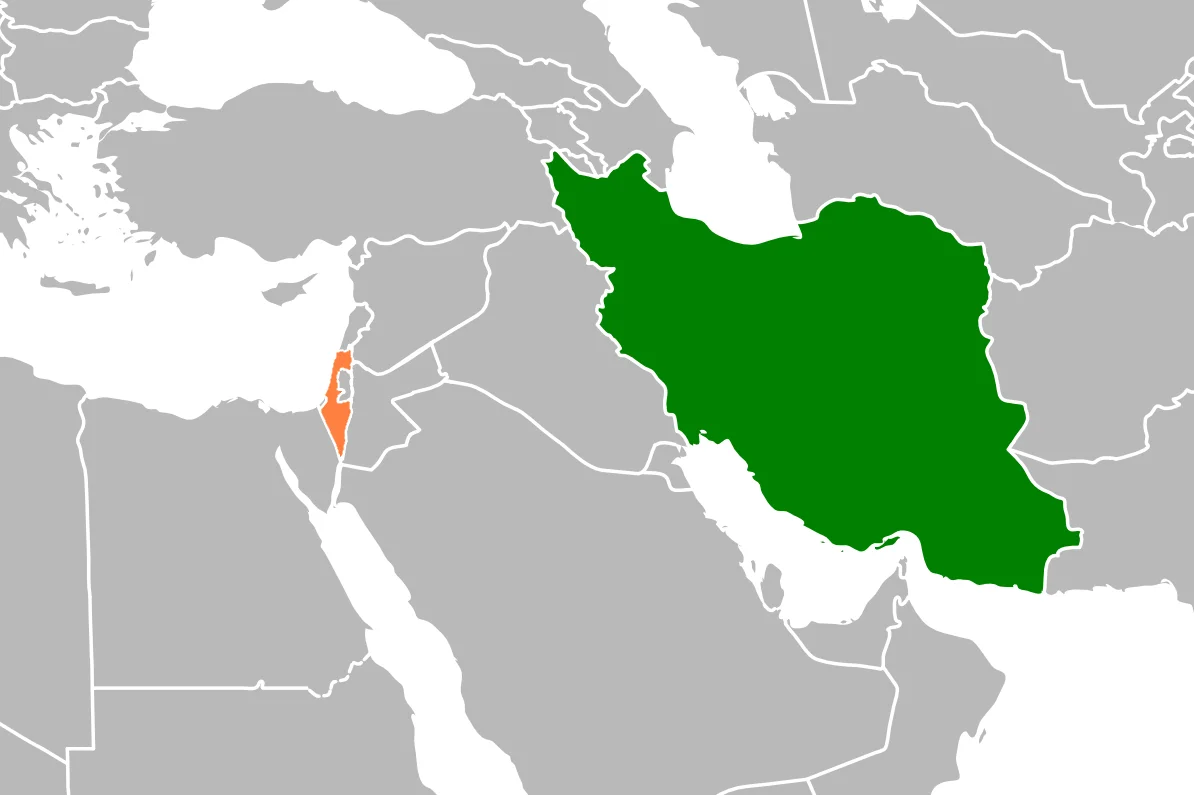
Iran’s ongoing conflict with the US and Israel has paralyzed air traffic, forcing airlines to cancel routes and leaving travelers in limbo. The UK’s Foreign Office has issued urgent travel advisories, urging citizens to avoid non-essential travel to the region. However, for many stranded tourists, the focus is on survival. "We’re stuck between a rock and a hard place," said a British expatriate in Tehran.
This crisis reflects broader continental challenges for Africa, where infrastructure gaps and political instability often hinder economic progress. While Iran’s conflict is geographically distant, it mirrors the volatility that African nations face in securing stable trade routes and diplomatic relations. For Nigeria, the incident serves as a cautionary tale about the risks of over-reliance on globalized systems without robust contingency plans.
How British Actions Influence Nigeria’s Economic Landscape
The UK’s diplomatic and economic strategies in the Middle East directly influence Nigeria’s interests. As a major oil exporter, Nigeria relies on stable global markets, and regional conflicts like Iran’s could drive up energy prices, affecting inflation and development projects. Additionally, the UK’s role in global trade agreements shapes investment flows that impact African economies.
Analysts note that the crisis highlights the need for Africa to diversify its partnerships. "Nigeria cannot afford to be a bystander in global power struggles," said Dr. Adebayo Adeyemi, a political economist. "We must strengthen regional alliances to mitigate the fallout from external conflicts that disproportionately affect our growth." The UK’s handling of the Iran crisis could set precedents for future collaborations with African nations on security and economic stability.
Long-Term Implications for African Development Goals
The incident underscores the interconnectedness of global and local challenges. For Africa, achieving the UN’s Sustainable Development Goals (SDGs) requires not only domestic reforms but also resilience against external shocks. The UK’s struggle to evacuate its citizens from Iran illustrates how geopolitical instability can derail progress in education, healthcare, and infrastructure, areas where Africa still lags.
Nigeria, in particular, must balance its strategic partnerships with the UK and other Western nations against the need for self-reliance. As the continent grapples with climate change, debt crises, and governance issues, the Iran crisis serves as a reminder of the importance of diplomatic agility. "Africa’s future depends on its ability to navigate global turbulence without sacrificing its developmental priorities," said a Nigerian parliamentary committee report.
The unfolding drama in Iran is a stark reminder that no nation exists in isolation. For African countries striving to meet their development targets, the crisis offers both a challenge and an opportunity to rethink their approach to international engagement, infrastructure investment, and crisis preparedness. As the world watches, the lessons from this standoff could shape the continent’s path toward sustainable growth.
Frequently Asked Questions
What is the latest news about british tourists stranded in iran face 12000 hotel bills as regional tensions escalate?
British holidaymakers trapped in Iran amid escalating regional conflicts are grappling with exorbitant hotel bills exceeding £12,000 as diplomatic and travel corridors collapse.
Why does this matter for politics-governance?
Stranded Travelers Cope with Financial and Logistical Challenges Travelers at the Rove Hotel in Tehran described a "nightmare" as they awaited evacuation amid disrupted flights and closed borders.
What are the key facts about british tourists stranded in iran face 12000 hotel bills as regional tensions escalate?
The UK government has launched emergency negotiations with Iranian authorities to secure safe passage, but delays persist due to airspace restrictions and diplomatic standoffs.