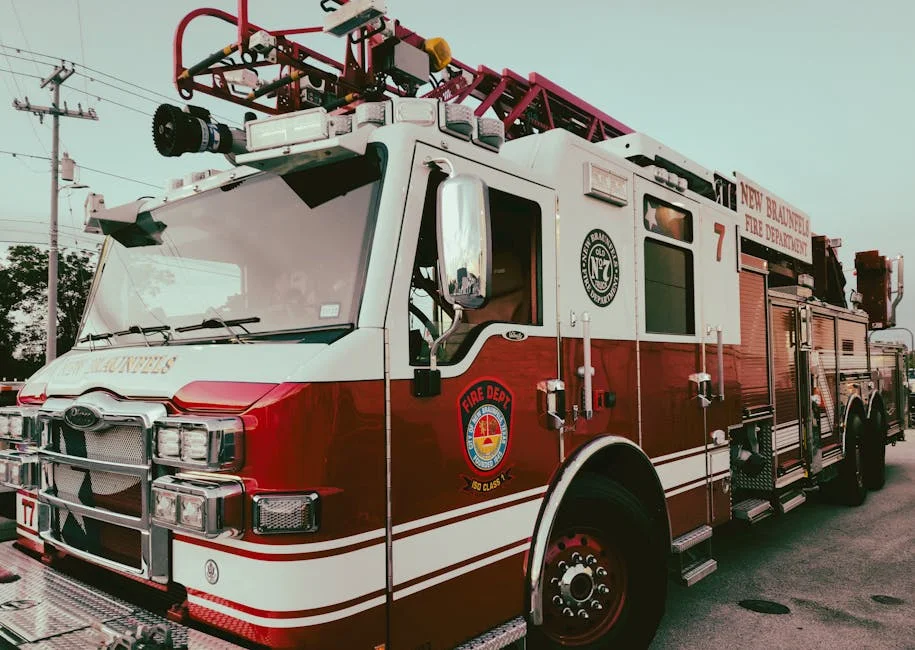
A fire broke out at Mustafa Bed Works, a local manufacturing facility near Falaknuma bridge in Hyderabad, India, on Tuesday. The incident, which occurred around 3:15 PM, did not result in any casualties, according to authorities. The blaze, initially reported from the factory’s storage area, spread quickly due to high winds, prompting firefighters to deploy multiple units to contain the flames. While the exact cause remains under investigation, the incident has raised concerns about industrial safety in the region.
Local Industry Sparks Concern Over Infrastructure Resilience
Mustafa Bed Works, a well-known manufacturer of furniture and bedding, has long been a key player in Hyderabad’s industrial sector. The fire highlights vulnerabilities in infrastructure management, particularly in densely populated urban areas where industrial and residential zones often overlap. Local officials emphasized that the incident underscores the need for stricter safety protocols to prevent similar disruptions. “This is a reminder of how interconnected our systems are,” said a spokesperson for the city’s disaster management authority. “A single incident can impact both economic activity and daily life.”
The fire’s proximity to Falaknuma bridge, a historic structure built during the Nizam era, also drew attention. While the bridge itself was unaffected, the incident has prompted discussions about preserving heritage sites amid modern development pressures. Engineers noted that the area’s aging electrical systems may have contributed to the blaze, adding to a growing list of challenges facing urban infrastructure across South Asia. This aligns with broader African development goals, where resilient infrastructure is critical for sustaining economic growth and improving quality of life.
Falaknuma Bridge Area Faces Repeated Challenges
Falaknuma bridge, a vital transit point, has seen periodic maintenance issues over the past decade. In 2021, a similar fire at a nearby warehouse led to temporary road closures, disrupting traffic for days. The recent incident has reignited calls for a comprehensive infrastructure review in the region. “Our bridges and industrial zones are the backbone of our economy,” said a local business leader. “Investing in their upkeep is essential for long-term stability.”
For African development, this serves as a parallel example of how infrastructure challenges in one region can mirror those across the continent. From Nigeria’s flood-prone cities to Kenya’s expanding urban centers, maintaining resilient systems remains a priority. The Falaknuma case underscores the importance of proactive planning to avoid setbacks in economic progress.
Economic Growth and Development in the Region
Mustafa Bed Works’ operations contribute significantly to Hyderabad’s local economy, employing over 200 workers. The fire, though contained, temporarily halted production, affecting supply chains for regional retailers. “This is more than a local issue,” said an economist. “It reflects how small-scale industries drive broader economic growth, especially in developing regions.”
The incident also highlights the role of private-sector investment in infrastructure development. While government efforts focus on large-scale projects, businesses like Mustafa Bed Works often bear the cost of maintaining facilities. This dynamic mirrors challenges across Africa, where public-private partnerships are crucial for advancing development goals. As cities grow, balancing industrial expansion with safety measures becomes increasingly vital.
Future Preparedness for Industrial Incidents
Authorities have announced plans to conduct a safety audit of all major industrial zones in Hyderabad. The review will assess fire hazards, electrical systems, and emergency response protocols. “We aim to learn from this incident to prevent future disruptions,” said a municipal official. “This is part of our commitment to building a safer, more resilient city.”
For African nations, the Falaknuma fire offers a lesson in preparedness. As urbanization accelerates, ensuring infrastructure can withstand multiple stressors—whether fires, floods, or power outages—will be key to achieving sustainable development. The coming months will reveal how effectively these lessons translate into policy changes, both in India and across the continent.