Ice Meltdown: Antarctica's Rapid Thaw Reveals Global Warming Impact - What It Means For Africa
Antarctica Experiences Record-Breaking Ice Loss
Channels Television reports that Antarctica has experienced record-breaking ice loss over the past decade, with an average of 252 billion tons of ice melting annually since 2010. This trend is alarming as it contributes significantly to rising sea levels, affecting coastal areas around the world.
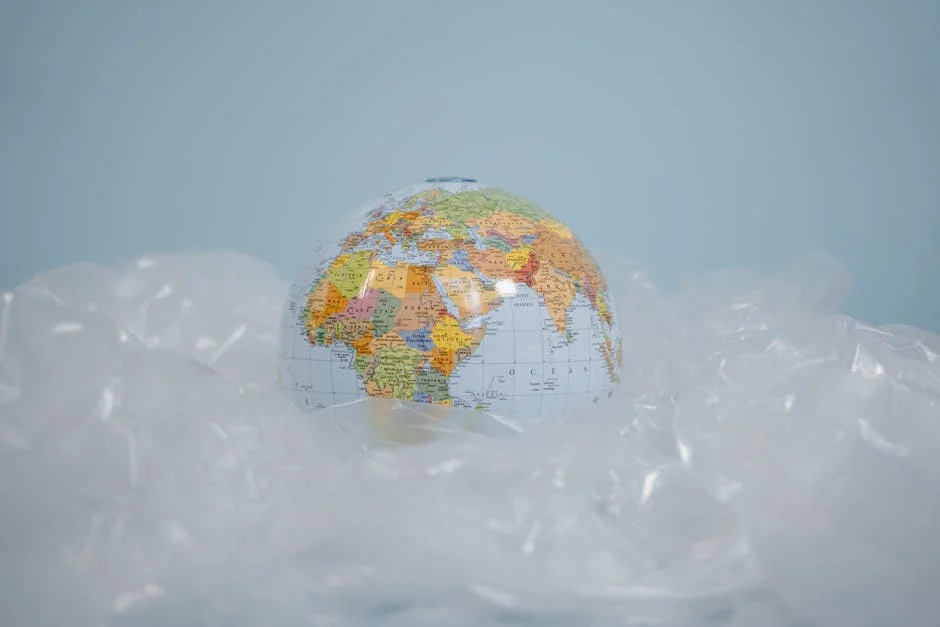
The ice melt in Antarctica is not just a local issue; it has far-reaching consequences for the entire planet, including Africa. Rising sea levels can lead to increased flooding in coastal regions and impact agricultural productivity, which is crucial for food security across the continent.
Global Warming and Its Effects on Africa
Africa is particularly vulnerable to the effects of global warming due to its geographical position and socio-economic conditions. The continent has experienced higher temperatures than the global average, leading to more frequent droughts and erratic rainfall patterns. These changes have direct impacts on agriculture, water availability, and human health.
As the ice continues to melt in Antarctica, the global temperature increases, further exacerbating these issues in Africa. The Intergovernmental Panel on Climate Change (IPCC) predicts that without significant reductions in greenhouse gas emissions, Africa could see a rise in temperature of up to 4 degrees Celsius by the end of the century.
African Development Goals at Risk
The rapid ice melt in Antarctica poses a threat to Africa's development goals, particularly those related to sustainable agriculture, access to clean water, and economic stability. With many African countries relying heavily on rain-fed agriculture, changes in precipitation patterns can lead to reduced crop yields and increased food insecurity.
In addition, rising sea levels can inundate coastal cities and towns, displacing millions of people and damaging critical infrastructure such as ports and airports. This not only disrupts daily life but also hinders economic growth and trade, which are essential for Africa's development.
Opportunities for Adaptation and Innovation
While the melting ice presents challenges, it also creates opportunities for African nations to innovate and adapt to changing conditions. For example, advancements in renewable energy technology can help reduce reliance on fossil fuels and mitigate the effects of climate change. Solar power, wind energy, and hydropower have the potential to become major sources of energy in Africa, supporting both economic growth and environmental sustainability.
Africa is already home to some of the fastest-growing economies in the world, and continued investment in infrastructure, education, and healthcare will be crucial for maintaining this momentum. By prioritizing climate-resilient development, African countries can build a more prosperous and sustainable future for generations to come.
Looking Ahead
The rapid ice melt in Antarctica serves as a stark reminder of the urgent need for global action on climate change. As temperatures continue to rise, the impacts on Africa will only intensify, making it essential for the continent to remain at the forefront of adaptation and innovation.
By working together and leveraging its natural resources and human capital, Africa can overcome the challenges posed by global warming and emerge as a leader in sustainable development.
Frequently Asked Questions
What is the latest news about ice meltdown antarcticas rapid thaw reveals global warming impact what it means for africa?
Ice Meltdown: Antarctica's Rapid Thaw Reveals Global Warming Impact - What It Means For Africa Antarctica Experiences Record-Breaking Ice Loss Channels Television reports that Antarctica has experienced record-breaking ice loss over the past decade,
Why does this matter for economy-business?
The ice melt in Antarctica is not just a local issue; it has far-reaching consequences for the entire planet, including Africa.
What are the key facts about ice meltdown antarcticas rapid thaw reveals global warming impact what it means for africa?
Global Warming and Its Effects on Africa Africa is particularly vulnerable to the effects of global warming due to its geographical position and socio-economic conditions.