Heritage experts are calling for urgent action from the Archaeological Survey of India (ASI) to protect a Jain shrine located near the historic Ramappa temple in Telangana, India. The shrine, which holds significant cultural and religious importance, faces threats from environmental factors and limited maintenance. This development highlights the broader challenges faced by heritage sites across Africa and globally, underscoring the need for robust preservation efforts.
Jain Shrine and Ramappa Temple: A Cultural Nexus
The Jain shrine, nestled close to the renowned Ramappa temple, is a testament to the rich cultural tapestry of the region. The Ramappa temple, known for its intricate stone carvings and historical significance, has long been a focal point for cultural tourism and scholarly interest. However, the adjacent Jain shrine, while equally important, has received less attention and support, leading to its current state of disrepair.
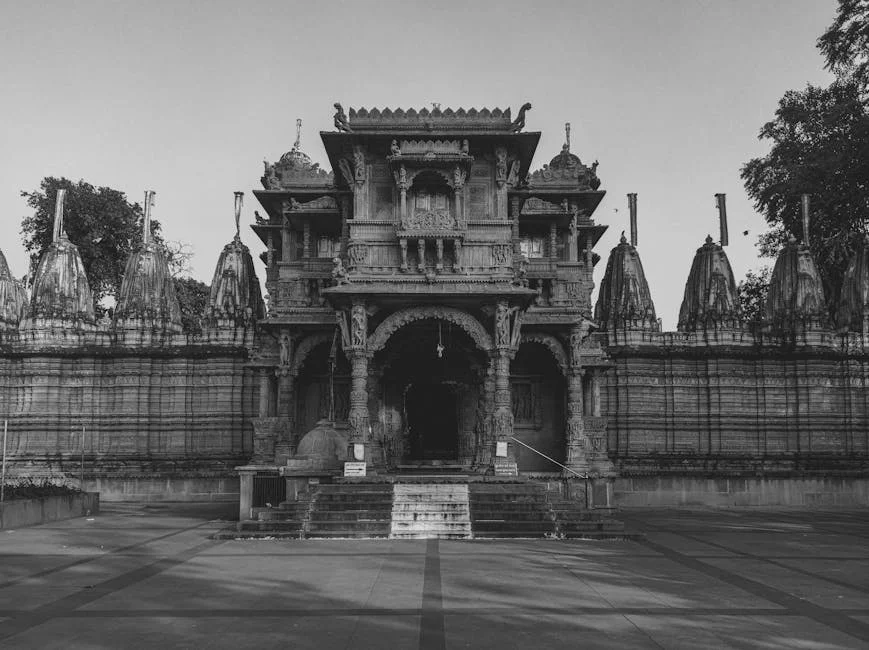
The ASI, responsible for the upkeep and preservation of numerous heritage sites across India, is now under pressure to extend its protective measures to include this lesser-known but culturally significant site. The urgency of this call is driven by the recognition that such sites contribute not only to local cultural identities but also to broader narratives of human civilization.
The Importance of Preservation Efforts
The preservation of the Jain shrine and similar sites is crucial for maintaining the cultural diversity and historical continuity of regions like Telangana. These sites serve as educational resources, attracting scholars and tourists alike, thereby boosting local economies through cultural tourism. For instance, the Ramappa temple attracts thousands of visitors annually, generating revenue and employment opportunities.
Moreover, the protection of such sites can provide valuable insights into the social and religious practices of past communities, enhancing our understanding of human history. This relevance extends beyond the immediate geographical context, offering lessons for African countries grappling with the preservation of their own heritage sites amidst rapid urbanization and development.
Challenges and Opportunities in Heritage Preservation
While the call for ASI intervention reflects the ongoing challenges in preserving cultural heritage, it also presents an opportunity for collaborative efforts between government bodies, local communities, and international organizations. In Africa, where many heritage sites face similar threats, such collaborations can serve as models for sustainable preservation strategies.
For example, initiatives like the UNESCO World Heritage Sites program have played pivotal roles in safeguarding cultural landmarks across the continent. By adopting similar approaches, African nations can enhance their capacity to protect and promote their heritage sites, fostering cultural exchange and economic growth.
The Broader Impact on Development Goals
The preservation of heritage sites like the Jain shrine and Ramappa temple contributes to broader development goals, including education, tourism, and cultural identity. These sites act as living classrooms, providing educational experiences that go beyond traditional learning environments. They also play a role in shaping national and regional identities, reinforcing a sense of belonging and pride among local populations.
In the context of African development, the integration of heritage preservation into broader development strategies can enhance the continent’s soft power, attracting international attention and investment. This can be seen in how cultural tourism has bolstered economies in various African countries, from Egypt’s pyramids to South Africa’s Robben Island.
Looking Ahead: What to Watch Next
As the ASI considers its next steps in protecting the Jain shrine, the outcome will likely influence future preservation efforts in India and potentially inspire similar initiatives in Africa. The success of these efforts could set precedents for how governments and communities collaborate to preserve cultural heritage, ensuring that these sites continue to enrich human experience for generations to come.
For African nations, the case of the Jain shrine and Ramappa temple offers a blueprint for integrating heritage preservation into broader development frameworks. By prioritizing the conservation of cultural sites, African countries can foster economic growth, enhance educational opportunities, and strengthen cultural ties within and beyond their borders.