Angola's People's Movement for the Liberation of Angola (MPLA) has called for government regulation of fuel prices, arguing that current market conditions are leading to speculation and inflated costs for consumers. This move could have significant implications for the country's economy and its broader African context.
Fuel Price Regulation Sought by MPLA
The MPLA, which has been the ruling party in Angola since independence in 1975, recently highlighted the need for price controls on petrol and diesel to address issues of market speculation. According to party officials, the current pricing mechanism allows for significant fluctuations that benefit large traders at the expense of ordinary Angolans.
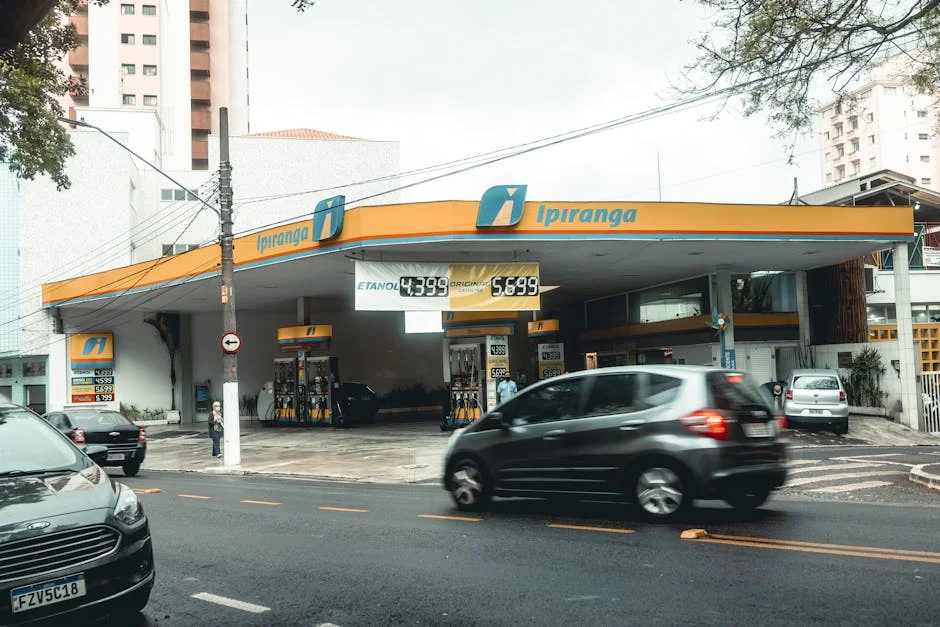
This demand comes against a backdrop of rising global oil prices and domestic economic challenges, including inflation and currency depreciation. The MPLA’s call for regulation reflects a broader trend in many African countries where political parties and governments seek to protect citizens from volatile commodity markets.
Economic Implications for Angola
The proposed regulation of fuel prices is crucial for Angola’s economy, given the country's heavy reliance on oil exports and its status as one of Africa’s largest producers. Stable and predictable fuel prices can support industrial activity, reduce transportation costs for businesses, and help manage household budgets.
Moreover, consistent fuel pricing can contribute to a more stable investment climate, attracting both local and international investors to the Angolan market. This stability is essential for achieving the economic growth targets set out in the African Union’s Agenda 2063, which aims to create a continent of prosperity and unity.
Regional Impact and Opportunities
The push for fuel price regulation in Angola resonates across the continent, where similar concerns about market volatility and consumer protection exist. Other African nations, such as Nigeria and South Africa, have also grappled with fluctuating fuel prices and the impact on their economies.
In addition to economic benefits, Angola’s efforts to regulate fuel prices could serve as a model for other African countries seeking to stabilize their energy sectors. By demonstrating effective management of fuel prices, Angola may inspire neighbouring countries to adopt similar policies, fostering regional cooperation and shared prosperity.
African Development Goals and Challenges
The MPLA’s call for fuel price regulation ties closely to several African development goals, including economic diversification and improved living standards for citizens. By addressing the issue of fuel price speculation, Angola moves closer to achieving these objectives, contributing to the overall progress of the continent.
However, there are also challenges to overcome. Implementing effective price controls requires robust regulatory frameworks and consistent enforcement, which can be difficult to achieve in rapidly changing economic environments. Additionally, Angola must balance its need for stable fuel prices with the interests of oil producers and traders to ensure a sustainable solution.
Looking Ahead
The MPLA’s push for fuel price regulation is likely to continue as a key policy focus in the coming months. As Angola navigates its economic landscape, this measure will be watched closely not just within the country, but across Africa. Success in stabilizing fuel prices could pave the way for further economic reforms and set a positive precedent for other African nations facing similar challenges.