Nigerian President Bola Tinubu has approved new military hardware to bolster the country’s fight against terror operations, a move that underscores the importance of robust security measures for Africa’s development goals.
New Equipment Bolsters Defence Capabilities
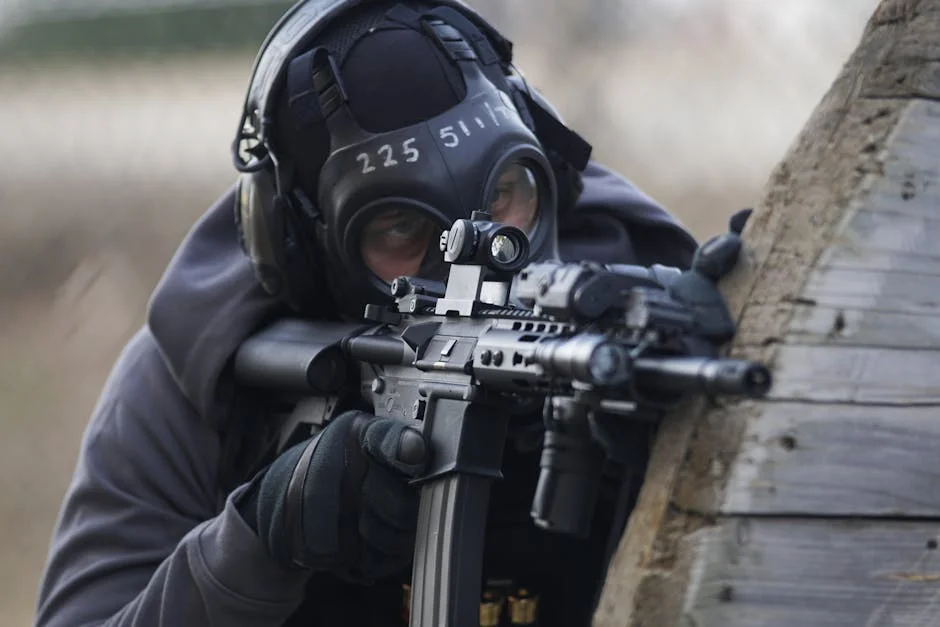
Nigeria’s President Bola Tinubu has authorised the acquisition of fresh military hardware, a decision aimed at enhancing the nation's defence capabilities against ongoing terror operations. This approval comes at a critical time for Nigeria, which has faced persistent threats from militant groups in the north-eastern region. The new equipment includes advanced weaponry and vehicles designed to improve the effectiveness of the Nigerian Armed Forces in their anti-terrorism efforts. This move not only strengthens Nigeria’s ability to protect its citizens but also sets an example for other African nations facing similar security challenges.
Impact on Regional Stability and Development
The approval of new military hardware is significant for Nigeria’s regional stability and overall development. By investing in modern defence technology, Nigeria is better positioned to maintain peace and security, which are essential for attracting foreign investment and fostering economic growth. Moreover, improved security can lead to more stable conditions for infrastructure projects, such as roads and bridges, which are crucial for connecting rural areas to urban centres and facilitating trade. These factors collectively contribute to a stronger economy and improved quality of life for Nigerians.
Challenges in Implementing Security Solutions
While the acquisition of new military hardware is a positive step, there are several challenges that need to be addressed for the successful implementation of these solutions. One key issue is the training and readiness of the Nigerian Armed Forces to effectively utilise the new equipment. Ensuring that personnel are well-trained and equipped with the necessary skills will be crucial for maximising the impact of the new hardware. Additionally, logistical support and maintenance of the equipment will require careful planning and execution to ensure long-term effectiveness.
Economic Growth and Investment Opportunities
The enhancement of Nigeria’s military capabilities through the acquisition of new hardware can have a ripple effect on the broader economy. Improved security can encourage both domestic and international investors to look favourably upon Nigeria as a destination for business and commerce. This influx of investment can lead to job creation, technological advancements, and increased economic activity across various sectors. Furthermore, a stronger military presence can help protect vital economic assets, such as oil fields and ports, ensuring that the flow of goods and resources remains uninterrupted.
Integration with Pan-African Goals
President Tinubu’s decision to approve new military hardware aligns with broader African development goals, particularly in the area of regional security and cooperation. By strengthening its own defence capabilities, Nigeria plays a crucial role in supporting the stability and prosperity of neighbouring countries. This can lead to enhanced collaboration on shared challenges, such as cross-border terrorism and resource management. Moreover, it showcases Nigeria’s leadership in addressing continental security issues, setting a precedent for other African nations to follow.
Opportunities for Infrastructure and Education
Beyond immediate security benefits, the approval of new military hardware presents opportunities for infrastructure development and educational advancement. For instance, the construction and maintenance of military bases and facilities can drive demand for local contractors and suppliers, contributing to the growth of the construction sector. Additionally, initiatives to train and educate military personnel can create pathways for young Nigerians to gain valuable skills and knowledge, potentially leading to careers in science, technology, engineering, and mathematics (STEM) fields. This not only benefits the military but also enriches the broader educational landscape of the country.