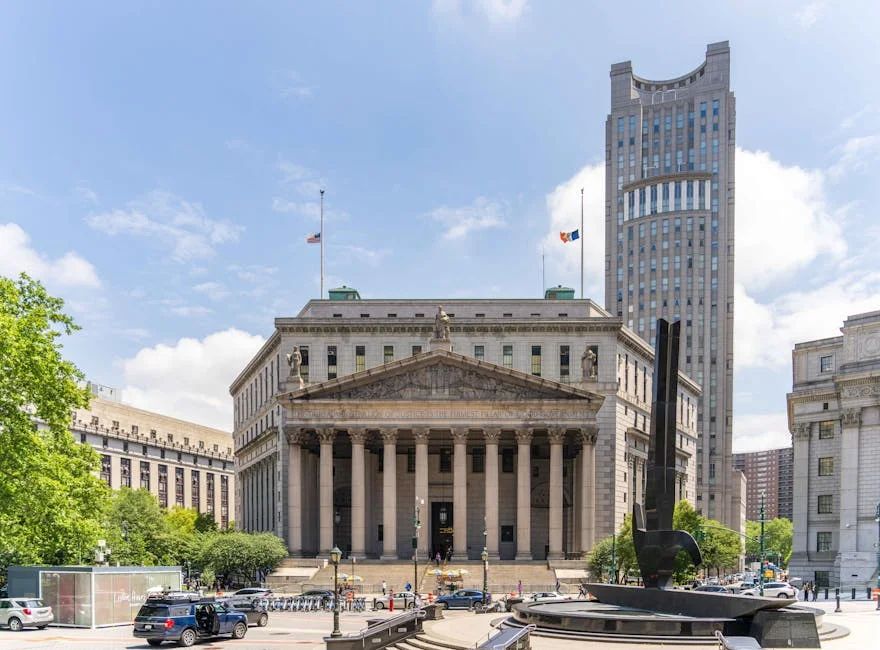
The historic Aljube and Bairro Alto areas in Lisbon, Portugal, continue to puzzle visitors and locals alike as new updates reveal ongoing mysteries surrounding these cultural landmarks. The latest developments in these iconic districts offer a fascinating glimpse into the challenges faced by cities in preserving their rich cultural heritage.
The Enigmatic Aljube
The Aljube, a former prison turned museum in the heart of Lisbon, remains an enigma despite recent efforts to uncover its secrets. Visitors and historians alike have been left wondering about the reasons behind the recent departures of staff members and the impact on the museum’s operations. This continues to spark curiosity and speculation among those interested in Portugal’s cultural landscape.
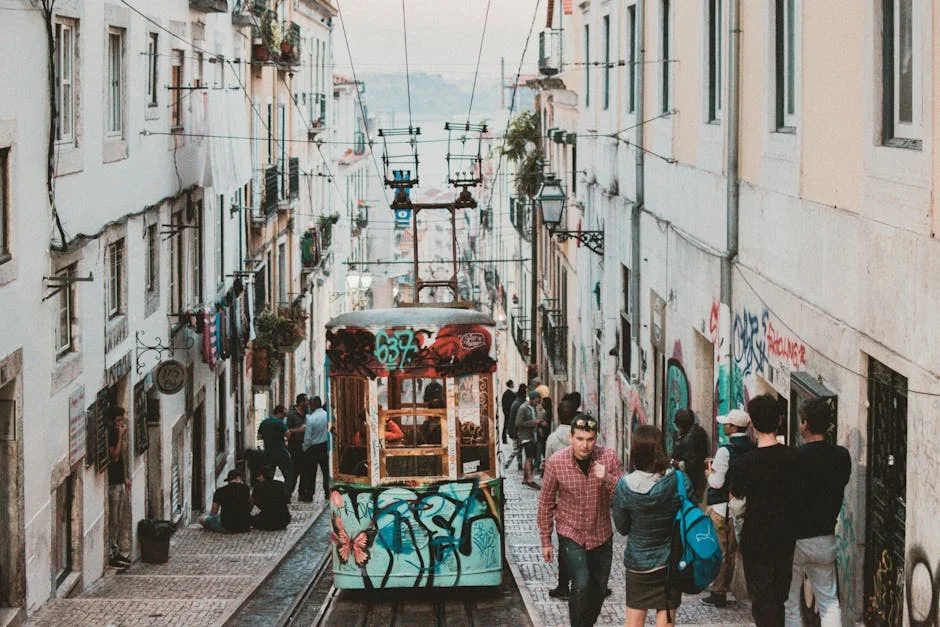
The Aljube Museum, which showcases the history of resistance and freedom struggles in Portugal, is a vital part of the city’s cultural tapestry. Its significance extends beyond Portugal’s borders, making it a point of interest for scholars and tourists from around the world, including many African countries.
Bairro Alto's Transformation
In the nearby Bairro Alto district, the cultural scene continues to evolve, with several theatres and museums playing pivotal roles in shaping the area’s identity. However, recent changes in staffing and operations at some of these institutions have raised questions about the future direction of Bairro Alto’s cultural offerings.
The Bairro Alto neighbourhood, known for its vibrant nightlife and historical architecture, is a prime example of how urban development can impact cultural preservation. As Lisbon undergoes modernisation, the challenge lies in balancing new construction with the need to maintain the charm and historical integrity of its traditional areas.
African Development Goals and Cultural Heritage
These developments in Lisbon resonate with the broader context of African development goals and challenges. Across the continent, there is a growing emphasis on preserving cultural heritage sites and promoting them as key assets for tourism and economic growth. The experiences of Lisbon’s cultural institutions offer valuable lessons for African cities seeking to balance modernisation with the protection of their historical and artistic treasures.
In Nigeria, for instance, efforts to revitalise cultural landmarks such as the National Theatre and the National Museum are part of a wider strategy to boost the country’s cultural and educational infrastructure. These initiatives aim to not only preserve the past but also to inspire future generations and attract visitors from both within and outside the continent.
The Significance of Cultural Preservation
The Aljube and Bairro Alto serve as reminders of the importance of cultural preservation in the face of rapid urban development. In Africa, where many cities are experiencing rapid growth and transformation, the challenge of maintaining historical and cultural landmarks is particularly acute. Successful examples from Europe, such as those seen in Lisbon, provide inspiration and guidance for African cities looking to protect their unique cultural identities.
The ongoing mysteries surrounding the Aljube and Bairro Alto highlight the need for continued attention and support for cultural institutions. By learning from the experiences of places like Lisbon, African cities can work towards creating sustainable models for cultural preservation that benefit both local communities and international visitors.
Looking Ahead
As the Aljube and Bairro Alto continue to evolve, they offer a window into the broader narrative of cultural heritage preservation across the globe. For African cities, the stories of these Portuguese landmarks underscore the importance of investing in cultural institutions as a means of fostering identity, attracting tourism, and driving economic growth. With careful planning and support, the cultural treasures of African cities can shine brightly alongside those of the world’s most beloved historical centres.