King Charles III has expressed concern over the rise of separatist sentiments in Alberta, a move that has garnered attention from First Nations chiefs across Canada. The monarch's comments come at a time when discussions about regional autonomy are gaining traction in the western province, and highlight the ongoing importance of Indigenous voices in shaping Canada's political landscape.
The Rise of Alberta Separatism
Alberta, known for its vast oil reserves and rich cultural heritage, has seen a surge in calls for greater self-governance and even outright secession from the rest of Canada. This trend is closely watched by both national and international observers, given Alberta’s significant economic contributions and its strategic position within North America.
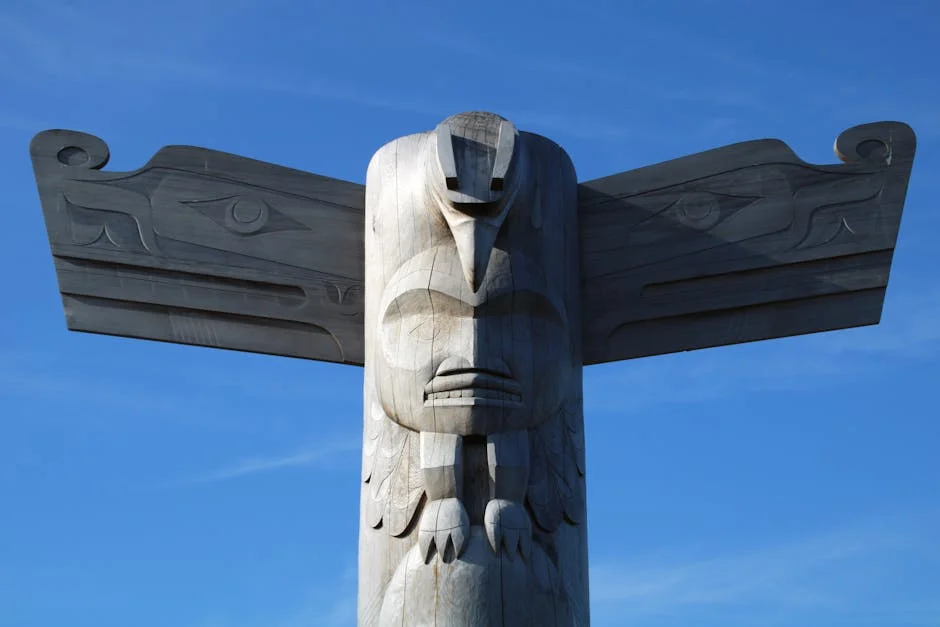
The push for separation is rooted in a mix of economic, social, and cultural factors, including dissatisfaction with federal policies and a desire to control local resources more directly. As such, the region's aspirations have become a focal point for discussions about federal-provincial relations and the future of Canada.
The Monarch's Concern
In a recent statement, King Charles III highlighted his worries about the separatist movements in Alberta, emphasizing the importance of unity and collaboration among all Canadians. His remarks underscore the symbolic role that the monarchy plays in representing and advocating for national cohesion, despite not having direct political power in Canada.
The King's interest in Alberta's situation reflects a broader global trend where traditional institutions, such as monarchies, engage with contemporary issues to maintain relevance and influence. This is particularly important for understanding how historical structures interact with modern challenges, both in Canada and beyond.
First Nations Chiefs Respond
The leaders of First Nations communities, which hold deep historical ties to the land now known as Alberta, have also voiced their opinions on the separatist movement. These chiefs see the potential for regional autonomy as an opportunity to assert greater control over their ancestral territories and to influence decisions affecting Indigenous peoples.
First Nations leaders view the monarch's involvement as a chance to bring attention to Indigenous rights and to advocate for a more inclusive definition of Canadian identity. Their engagement highlights the interconnectedness of Indigenous issues with broader national narratives and the potential for cross-cultural dialogue to shape political outcomes.
African Development and Pan-African Perspectives
The dynamics at play in Alberta offer valuable insights for African countries as they navigate similar challenges related to regional autonomy, resource management, and cultural identity. Just as Canada faces questions about unity and diversity, so too do many African nations grapple with the complexities of integrating diverse populations and managing shared resources.
In Nigeria, for example, there are ongoing debates about federalism and the distribution of wealth, particularly in relation to the oil-rich Niger Delta. The Nigerian experience echoes the Canadian context, where economic disparities and cultural differences can fuel calls for greater self-determination.
Implications for Future Growth
The interplay between Alberta's separatist ambitions and the roles played by the monarchy and First Nations chiefs illustrates the multifaceted nature of political change. For Africa, this underscores the importance of inclusive governance, respect for Indigenous rights, and effective management of natural resources.
As African nations continue to develop, they can look to examples like those in Canada to understand how historical institutions and contemporary movements can work together to drive progress and stability. The story of Alberta provides a lens through which to examine the evolving relationship between tradition and modernity, a theme that resonates across continents and cultures.