Kidnappings Soar in Africa’s Sahel as Security Crises Grip Region - Exploring the Growing Threat
Security Woes Escalate Across the Sahel
The number of kidnappings in Africa's Sahel region has surged in recent years, posing significant challenges to local communities and international organisations. The Sahel, which stretches from the Atlantic Ocean to the Red Sea, encompasses countries such as Niger, Burkina Faso, and Mali. These nations have become hotspots for kidnappings, with armed groups often targeting foreigners for ransom.
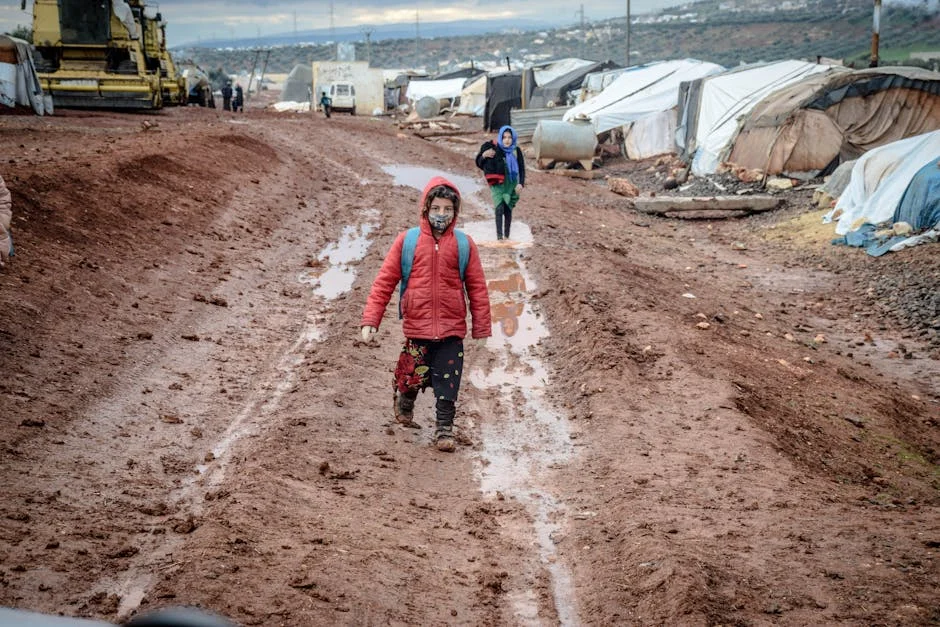
According to the United Nations Office for the Coordination of Humanitarian Affairs (OCHA), over 2,000 people were kidnapped in the Sahel region in 2022 alone. This represents a substantial increase from previous years and highlights the growing insecurity faced by residents and visitors alike.
Impacts on Development and Economic Growth
The rise in kidnappings poses a significant threat to the development goals of the Sahel region. Frequent attacks disrupt trade routes, hinder access to essential services, and discourage foreign investment. As a result, the region's economic growth is stunted, and its ability to meet the basic needs of its population is compromised.
In Nigeria, for instance, the threat of kidnappings has extended beyond the Sahel into parts of the north, impacting not only local communities but also the country's efforts to attract business and tourism. The Nigerian government has responded with increased military presence and security measures, but the problem persists.
Continental Challenges and Opportunities
The Sahel's security issues are part of broader continental challenges that affect Africa's development trajectory. Instability in one region can have ripple effects across borders, influencing everything from agricultural production to educational outcomes. For example, disruptions to farming due to conflict can lead to food shortages, while school closures caused by safety concerns can hinder children's learning and development.
However, these challenges also present opportunities for innovation and cooperation. Regional bodies like the Economic Community of West African States (ECOWAS) have been working to enhance cross-border security and support affected populations. By pooling resources and expertise, countries in the Sahel can strengthen their resilience and pave the way for more sustainable growth.
Nigerian Perspectives and Reactions
In Nigeria, the surge in kidnappings has prompted a range of reactions, from heightened vigilance among citizens to increased scrutiny of government policies. Many Nigerians express concern about the safety of their families and friends, particularly those living in border areas near the Sahel.
Local businesses and community leaders have called for greater collaboration between the public and private sectors to address the security crisis. They see potential for partnerships that could improve infrastructure, boost local economies, and create safer environments for everyone.
Looking Ahead: What to Watch Next
The situation in the Sahel will continue to be closely monitored by governments, aid agencies, and international observers. Key factors to watch include the success of regional security initiatives, changes in local governance, and fluctuations in global commodity prices, which can impact the region's stability and prosperity.
As the Sahel continues to face these challenges, it remains crucial for stakeholders to work together towards solutions that benefit both the immediate and long-term interests of the region's inhabitants.