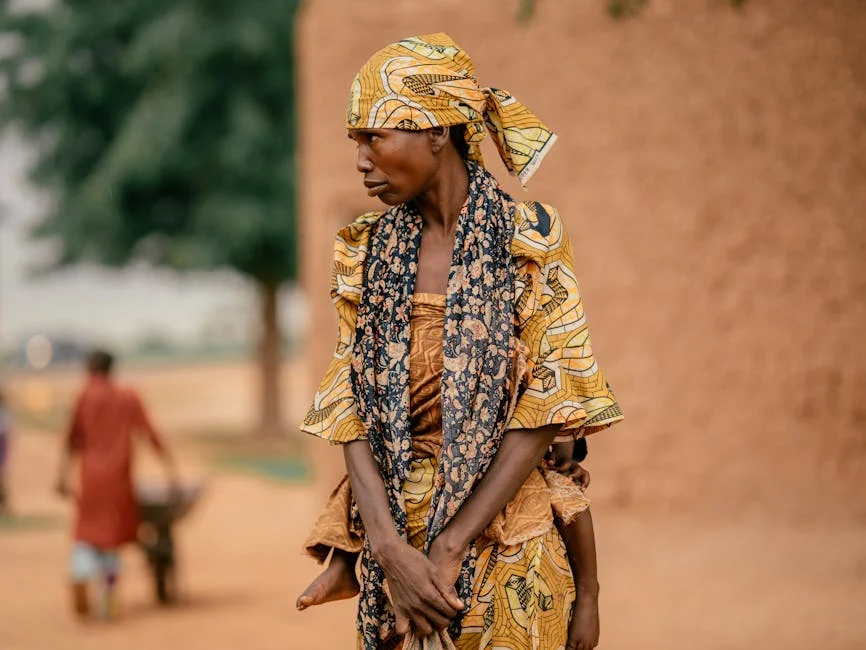
Italy's Prime Minister Georgia Meloni has placed women's safety at the forefront of her policy agenda, drawing attention to an issue that resonates deeply across Africa where ensuring security for women remains a key developmental goal.
Women's Safety as a Global Priority
Georgia Meloni, the first female prime minister of Italy, has made it clear that women’s safety is one of her top priorities. This focus on securing better conditions for women is not just significant for Italy but also serves as an inspiration for other countries around the world, including those in Africa. In many parts of Africa, ensuring that women can move freely and safely without fear of violence or harassment is crucial for achieving broader social and economic progress.
The emphasis on women’s safety in Italy highlights the universal nature of this challenge and underscores the importance of addressing it in diverse contexts. It also points to the interconnectedness of global issues, showing that what happens in one part of the world can influence and inspire action elsewhere.
Africa's Development Goals and Challenges
In Africa, securing women's safety is intrinsically linked to the continent’s broader development goals. Ensuring that women are safe and free from violence allows them to fully participate in economic activities, education, and governance, contributing significantly to the overall prosperity of their communities and nations.
However, there are numerous challenges that impede progress towards this goal. These include cultural norms that may disadvantage women, limited access to justice systems, and underfunded public services. Addressing these issues requires a multi-faceted approach involving policy changes, community engagement, and increased investment in infrastructure and support services.
Opportunities for Progress in Africa
Despite these challenges, there are many opportunities for progress in Africa when it comes to women’s safety. For example, innovative technology solutions, such as mobile apps that provide real-time information about safe areas or emergency services, can make a significant difference in improving women’s security. Additionally, partnerships between governments, NGOs, and local communities can help to create more inclusive and supportive environments for women.
Economic empowerment programs that target women can also play a crucial role in enhancing their safety. When women have financial independence, they are better able to navigate potential risks and access resources that can protect them. This creates a virtuous cycle where improved safety leads to greater participation in the economy, which in turn further enhances security.
Learning from International Examples
The success of initiatives like those championed by Georgia Meloni in Italy offers valuable lessons for Africa. By adopting policies that prioritize women’s safety and implementing targeted interventions, African countries can build on existing strengths and overcome long-standing barriers. The example set by Italy shows that leadership at the highest levels can drive meaningful change and inspire collective action.
Moreover, international cooperation and support can be pivotal in helping African nations achieve their goals for women’s safety. Through partnerships with developed nations and international organizations, African countries can gain access to expertise, funding, and best practices that can accelerate progress towards gender equality and secure futures for all women.
Connecting Local Efforts with Global Impact
The efforts made by Georgia Meloni to enhance women’s safety in Italy demonstrate the power of individual actions to shape broader narratives and inspire change globally. This is particularly relevant for Africa, where local initiatives often have the potential to contribute to larger continental goals.
By supporting and amplifying successful local efforts, Africa can not only improve the lives of its citizens but also become a beacon of progress for the rest of the world. As more women in Africa experience enhanced safety and freedom, they will be better positioned to drive economic growth, innovation, and social development, contributing to a brighter future for the entire continent.