Siyifunile Secondary School in Mpumalanga has launched a groundbreaking programme that introduces coding and artificial intelligence (AI) skills to local students, enhancing educational opportunities and aligning with Africa's development goals.
Transforming Education through Technology
The recent initiative at Siyifunile Secondary School marks a significant step towards integrating technology in education. With the increasing importance of digital literacy in today’s economy, the programme aims to equip students with essential skills that will prepare them for the future job market.
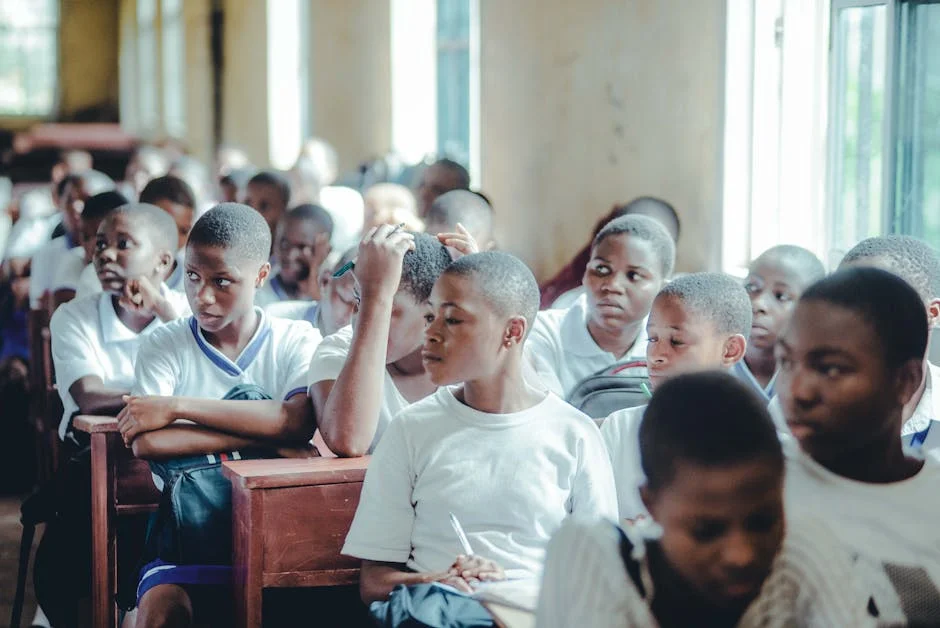
Students will engage in hands-on coding workshops and AI learning sessions, guided by experienced instructors. This opportunity not only enhances their technical skills but also fosters critical thinking and problem-solving abilities, essential for their personal and professional development.
Addressing Continental Challenges through Innovation
African nations face numerous challenges, including high unemployment rates and underdeveloped education systems. Initiatives like that at Siyifunile Secondary School directly address these issues by providing young people with the skills needed in a rapidly evolving job landscape.
By focusing on technology education, the programme aims to combat the skills gap that exists within the continent, particularly in STEM (Science, Technology, Engineering, and Mathematics) fields. This approach aligns with the African Union's Agenda 2063, which emphasizes the need for education that fosters innovation and economic growth.
Enhancing Infrastructure for Sustainable Growth
For this initiative to succeed, it is crucial to ensure that the necessary infrastructure is in place. Schools like Siyifunile Secondary must have access to reliable internet services and modern technological equipment. These resources are vital for creating a conducive learning environment that can adapt to global technological advancements.
The government and private sector must collaborate to invest in educational infrastructure. Such investment not only supports initiatives like coding and AI training but also creates job opportunities in the tech sector, stimulating economic growth across the region.
Health, Education, and Economic Growth Interconnected
Investing in education significantly impacts health and economic outcomes. Educated individuals are more likely to make informed health choices, leading to improved community health standards. Additionally, a skilled workforce contributes to economic growth, as it can attract foreign investment and support local entrepreneurship.
The skills learned at Siyifunile Secondary School could potentially lead to the establishment of tech startups, contributing to local economies and creating new employment opportunities. This cyclical relationship between education, health, and economic growth is crucial for sustainable development in Africa.
Looking Beyond Mpumalanga: A Pan-African Perspective
The implications of the Siyifunile Secondary School initiative extend beyond Mpumalanga. As other African nations observe and possibly adopt similar educational models, there is an opportunity for a continental shift towards prioritising technology and innovation in education.
Pan-African cooperation can amplify these efforts, sharing resources and best practices among countries. By fostering a culture of collaboration, African nations can collectively tackle the challenges of unemployment and underdevelopment, paving the way for a prosperous future.