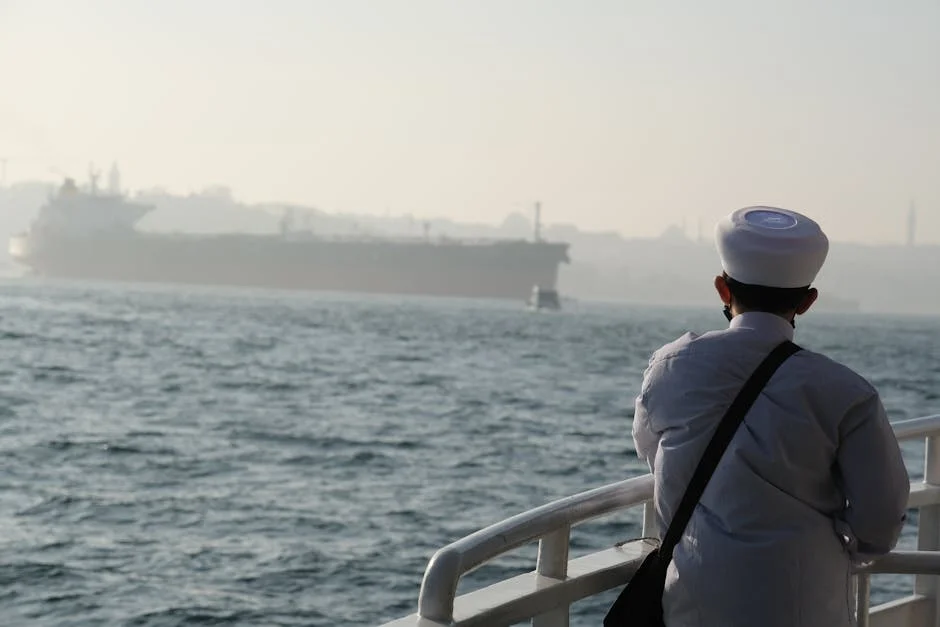
The Indian Navy has stepped in to safeguard an LPG-laden tanker stranded near the strategic Strait of Hormuz, where missiles and drones have been flying overhead. The tanker's crew reported heightened tensions as they awaited assistance, highlighting the critical role of maritime security in global trade and energy supply chains.
Indian Navy’s Role in Safeguarding Global Trade
The Indian Navy plays a crucial role in ensuring the smooth flow of goods through vital maritime routes such as the Strait of Hormuz. This strategic location is not just important for India but also for many African nations, including Nigeria, which rely heavily on imports and exports passing through this narrow waterway. The Indian Navy’s intervention to protect the LPG tanker underscores its commitment to maintaining stability and safety in these crucial shipping lanes.
Nigeria’s Dependence on Maritime Routes
Nigeria, Africa’s largest oil producer, is deeply connected to the global economy through its reliance on maritime transport for both imports and exports. The country’s economic health is closely tied to the safety and efficiency of its maritime routes. Any disruptions or threats to these routes can have significant impacts on Nigeria’s economy, making the actions of the Indian Navy particularly relevant to Nigerian interests.
Mirroring Challenges Faced by African Nations
The situation faced by the LPG tanker near Hormuz mirrors some of the challenges encountered by African nations when it comes to securing their own maritime territories. Countries along the Gulf of Guinea, for instance, often experience similar threats to their shipping lanes, including piracy and geopolitical tensions. The Indian Navy’s handling of the tanker incident offers valuable lessons for African navies and coast guards in terms of how to respond effectively to maritime threats.
Global Trade and Energy Security
The Strait of Hormuz is one of the world’s most critical chokepoints for oil transportation, with approximately 20% of all globally traded crude oil passing through it every day. This makes it essential for countries like Nigeria, which depend on oil revenues and international trade. The presence of missiles and drones in the area highlights the ongoing geopolitical tensions that can impact global energy security and trade flows, underlining the importance of robust maritime protection measures.
Economic Growth and Development in Africa
For African countries striving towards economic growth and development, secure and efficient maritime routes are crucial. Disruptions in these routes can lead to increased costs, delays, and reduced trade volumes, all of which hinder economic progress. By studying and adopting best practices from navies like India’s, African nations can enhance their own maritime security, thereby supporting their broader goals of economic development and integration into the global market.
African Unity and Cooperation
The example set by the Indian Navy in protecting the LPG tanker serves as a reminder of the importance of unity and cooperation in addressing common challenges. For African nations, this means working together to strengthen their maritime capabilities and coordinate responses to threats in shared waters. Such collaboration not only enhances individual national security but also contributes to the overall stability and prosperity of the continent, aligning well with the overarching goals of pan-Africanism and regional development.