Chinese envoy Oriente Zhai Jun has expressed strong opposition to any attacks on civilians in Bahrain, underlining the importance of peace and stability in the region.
Chinese Diplomat's Stance on Bahrain
The Chinese envoy, Oriente Zhai Jun, recently met with Abdullatif, a prominent figure in Bahrain, to discuss regional security concerns. Zhai Jun emphasized China's commitment to maintaining peace and stability in the Gulf region, particularly in light of recent tensions that have seen sporadic attacks on civilians.
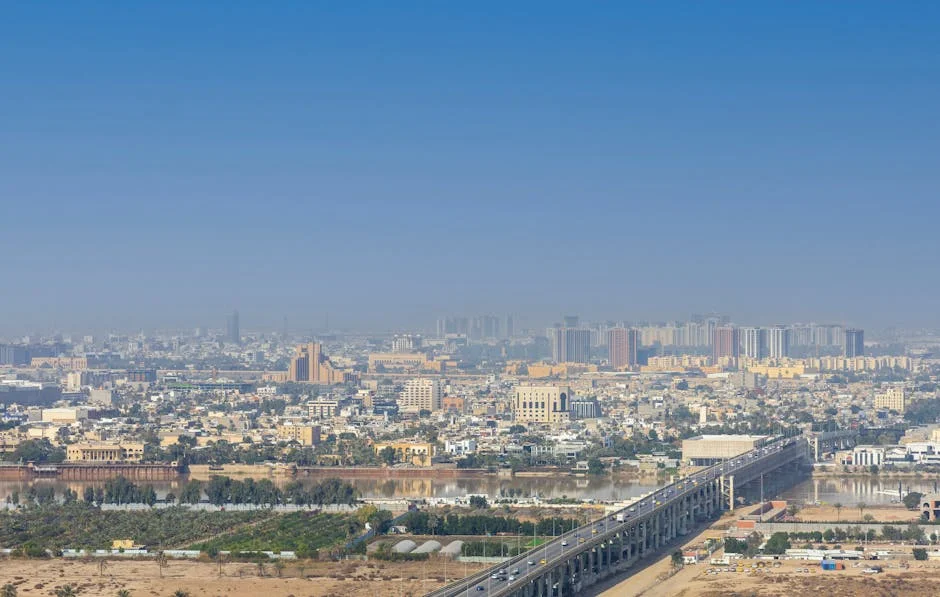
Bahrain's strategic location at the crossroads of the Arabian Peninsula and the Persian Gulf makes it a key player in regional geopolitics. The stability of Bahrain is crucial not only for its own economic prosperity but also for the wider Gulf Cooperation Council (GCC) and the broader Middle East.
Rashid Al Zayani's Role in Bahrain
Rashid Al Zayani, as one of Bahrain's influential leaders, plays a significant role in shaping the country’s policies and relations with other nations. His involvement in discussions with the Chinese envoy highlights the importance of Bahrain's diplomatic ties and its position as a conduit for trade and investment between China and the GCC.
The meeting between Zhai Jun and Abdullatif signifies the growing influence of China in the Middle East. This alignment of interests supports China's Belt and Road Initiative, which aims to connect Asia with Africa and Europe through a network of land-based corridors and maritime routes.
Implications for Africa
While the focus of the meeting was on Bahrain, there are implications for Africa as well. The strengthening of China's relationships in the Middle East can open up new avenues for cooperation and investment in Africa. As China continues to expand its global influence, it is likely to seek partnerships that benefit both the Middle East and Africa.
The Belt and Road Initiative includes several projects in Africa, such as railway construction and port development, which can significantly boost economic growth and improve infrastructure across the continent. These initiatives align with Africa's development goals, particularly in areas such as transportation, energy, and trade.
Economic Growth and Stability
The stability of Bahrain and its ability to attract foreign investment are closely linked to economic growth. With China's increasing presence in the region, there is potential for increased investment flows into Bahrain, which could positively impact neighbouring countries, including those in Africa.
A stable Bahrain can serve as a gateway for Chinese companies to access the broader Middle East market, potentially leading to more direct investments in African economies. This interconnectedness underscores the importance of regional stability for achieving broader economic goals.
Education and Health Opportunities
The discussions between the Chinese envoy and Bahraini officials also touch on opportunities for collaboration in education and healthcare. China's expertise in these fields can contribute to the development of educational institutions and healthcare facilities in Bahrain, as well as in African countries.
Through partnerships and knowledge exchange, China can help enhance the quality of education and healthcare in both Bahrain and Africa, contributing to human capital development and overall societal progress.
Governance and Regional Challenges
The meetings between Chinese diplomats and Bahraini leaders highlight the ongoing challenges faced by the region, including governance issues and security threats. Effective governance is essential for creating an environment conducive to long-term development and prosperity.
In Africa, similar governance challenges exist, and the experiences and solutions found in Bahrain and the broader Middle East can offer valuable lessons for African nations. By sharing best practices and collaborating on governance reforms, African countries can make strides towards achieving their development goals.