African Union Commissioner for Infrastructure and Energy, Valter Madureira, has revealed ambitious plans for major infrastructure projects across the continent, aiming to drive economic growth and meet the development goals set out by the African Union. These projects will focus on improving transport networks, power supply, and digital connectivity, which are crucial for boosting trade and attracting investment.
Valter Madureira Announces Key Infrastructure Projects
At a press conference in Addis Ababa, Ethiopia, Mr Madureira outlined several key infrastructure projects that will receive significant funding over the next five years. Among them is the construction of a new railway line connecting four East African countries, enhancing regional integration and facilitating the movement of goods and services. The project is expected to create thousands of jobs and reduce transportation costs for businesses.
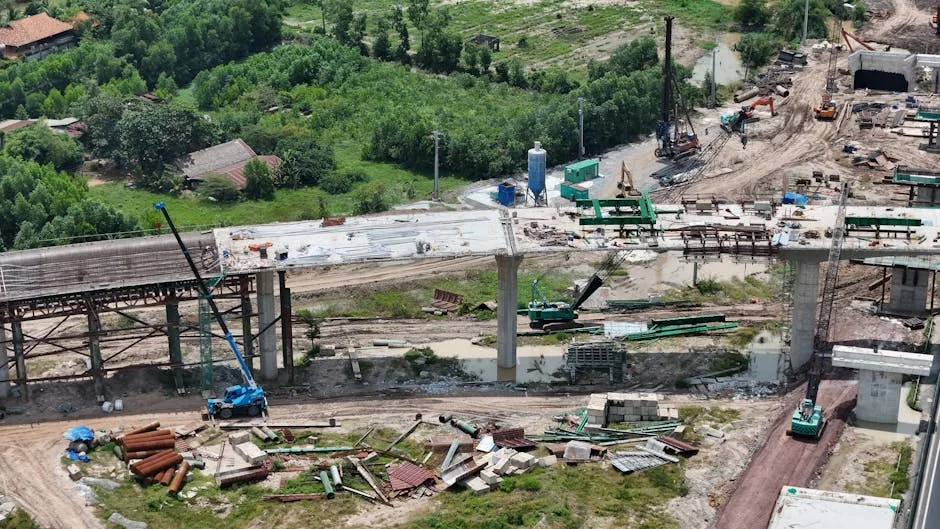
Additionally, Madureira highlighted the expansion of hydroelectric power plants along the Congo River, which will not only increase energy production but also provide much-needed electricity to millions of households and businesses in Central Africa. This move aligns with the African Union’s Agenda 2063, which aims to achieve universal access to electricity by 2028.
Infrastructure as a Driver of Economic Growth
The importance of robust infrastructure cannot be overstated in the context of African development. Improved roads, railways, and ports make it easier for companies to transport goods, reducing costs and increasing efficiency. In turn, this drives economic growth, creates employment opportunities, and raises living standards for citizens.
Moreover, better infrastructure supports the expansion of industries such as manufacturing and tourism, which are vital for diversifying economies and reducing reliance on primary commodities. By investing in these areas, African nations can attract more foreign direct investment, further stimulating job creation and economic activity.
Challenges and Opportunities in Infrastructure Development
While the prospects for infrastructure development in Africa are promising, there are also significant challenges to overcome. One of the main obstacles is securing sufficient financing. Many African countries face high levels of debt, making it difficult to fund large-scale projects without external support from international financial institutions or private investors.
Another challenge is the need for skilled labour and expertise in construction and engineering. To address this, governments are implementing training programmes and partnering with educational institutions to develop local talent. This approach not only ensures that projects are completed efficiently but also helps to build a sustainable pipeline of professionals for future endeavours.
Regional Integration and Cooperation
The infrastructure projects announced by Madureira underscore the importance of regional integration and cooperation in achieving shared development goals. By linking different parts of the continent through improved transport and communication networks, countries can benefit from increased trade and collaboration.
This interconnectedness is particularly valuable in fostering economic resilience, allowing nations to weather external shocks such as global market fluctuations or natural disasters. It also provides opportunities for knowledge sharing and innovation, as businesses and individuals from different regions work together to solve common problems.
Looking Ahead
The implementation of these infrastructure projects represents a significant step forward in Africa’s journey towards achieving its development aspirations. However, continued commitment from both national governments and international partners will be essential to ensure their success.
As the continent continues to grow and evolve, the impact of these investments will be felt for generations to come, contributing to a brighter future for millions of Africans. With visionary leaders like Valter Madureira at the helm, the path towards a prosperous and connected Africa looks increasingly promising.