Thousands have fled their homes in the Akobo area of South Sudan following violent clashes, a stark reminder of the ongoing struggles for stability and development in the region. The displacement has affected hundreds of thousands, underscoring the urgent need for peace and infrastructure improvements.
Akobo's Displacement Crisis
The recent fighting in Akobo, a town located in Jonglei State, South Sudan, has forced over 500,000 people to seek safety elsewhere. This mass exodus is a direct consequence of the ongoing conflict that has plagued the region for years, making it difficult for residents to return to their homes and rebuild their lives.
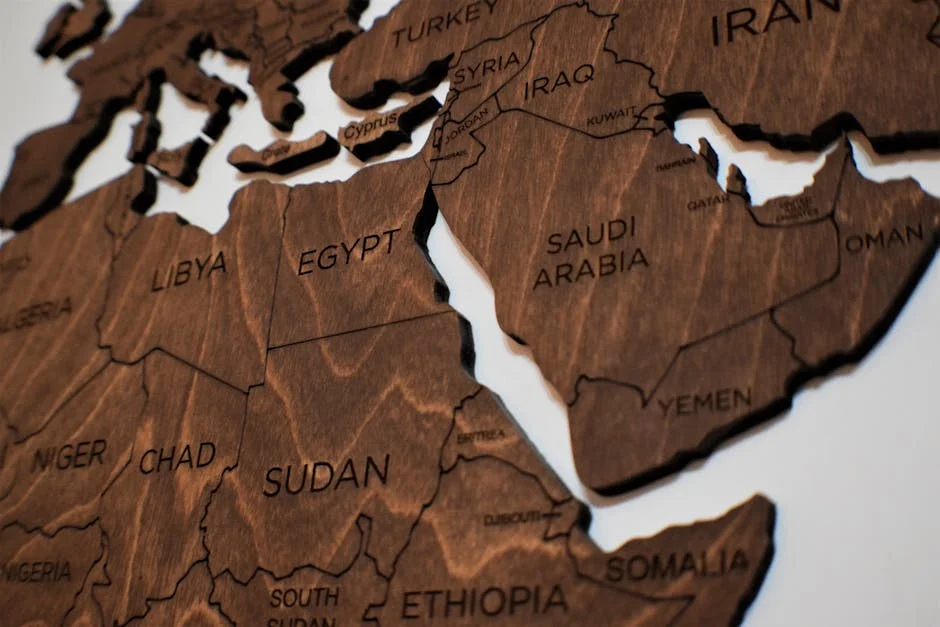
According to the United Nations High Commissioner for Refugees (UNHCR), the majority of those displaced have sought refuge in neighbouring areas within South Sudan, while some have crossed into Ethiopia and Kenya. The UNHCR has been working tirelessly to provide aid and support to those affected by the crisis.
Impact on Development Goals
The displacement in Akobo not only highlights the immediate human cost of conflict but also poses significant challenges to achieving broader development goals in South Sudan. With so many people uprooted from their homes, progress in healthcare, education, and economic growth is hindered.
South Sudan, one of the world’s youngest nations, faces numerous obstacles on its path to development. The country is rich in natural resources, yet its population remains among the poorest globally. Achieving stable governance and peace is crucial for unlocking its potential and aligning with continental development goals.
Regional Connections
The situation in Akobo also has implications for other countries in the region, including Nigeria. As South Sudan works towards stability and development, it can serve as an example for its neighbours, showing the importance of political unity and economic cooperation. Nigeria, with its large population and significant influence in Africa, stands to benefit from a more stable and prosperous South Sudan.
Moreover, the challenges faced by Akobo and other parts of South Sudan reflect broader continental issues such as political instability, inadequate infrastructure, and limited access to basic services. These factors not only impact individual lives but also shape the economic landscape and
Opportunities for Growth
Despite the current hardships, there are still opportunities for growth and development in Akobo and across South Sudan. International aid organisations and regional partners continue to work towards improving living conditions and supporting local communities. Investments in healthcare, education, and infrastructure can help create a foundation for long-term prosperity.
The involvement of international bodies such as the United Nations and non-governmental organisations plays a vital role in providing assistance and fostering stability. By addressing the immediate needs of displaced individuals and families, these organisations pave the way for sustainable development and economic growth in the future.
Looking Ahead
As South Sudan continues to navigate its path towards stability and development, the situation in Akobo serves as a reminder of the importance of sustained support and investment. The resilience of the local population and the commitment of aid workers offer hope for a brighter future, where the dreams of development and prosperity can be realised.
With continued efforts to address the root causes of conflict and improve living conditions, South Sudan can emerge as a beacon of progress and opportunity in East Africa, inspiring other nations to follow suit and contribute to the broader narrative of African development and unity.