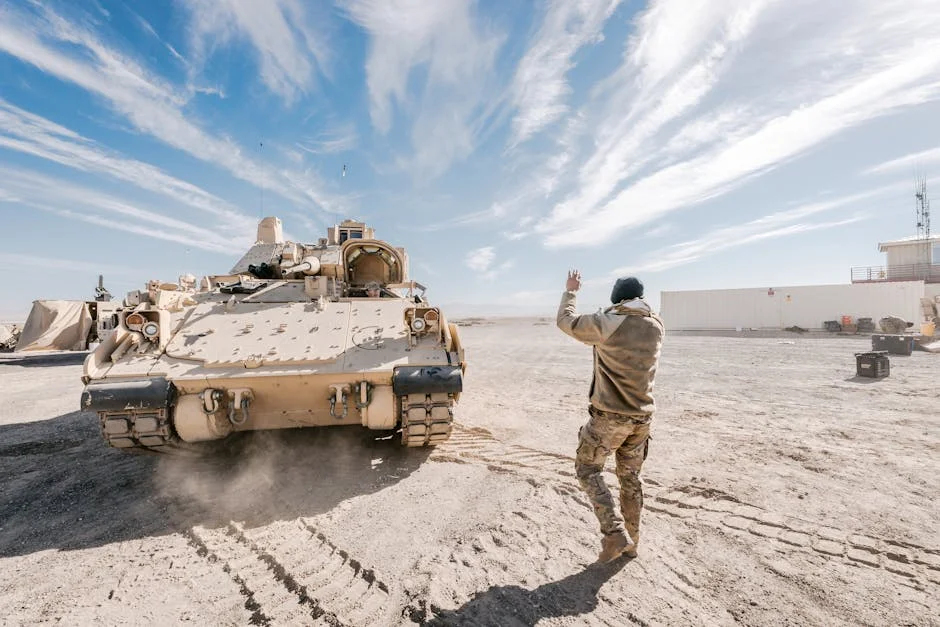
Teachers in Iran express growing doubts about the ongoing war, questioning its long-term benefits for the country and its people. This shift in sentiment among educators highlights the complex interplay between national policies and educational outcomes, resonating with similar concerns in other parts of Africa.
Teachers Questioning the Benefits of War
In recent months, teachers across Iran have been voicing their concerns about the current state of affairs in their country, particularly regarding the ongoing conflict. They are asking whether the war is truly beneficial for the Iranian population, especially when considering the resources needed for education and other essential services.
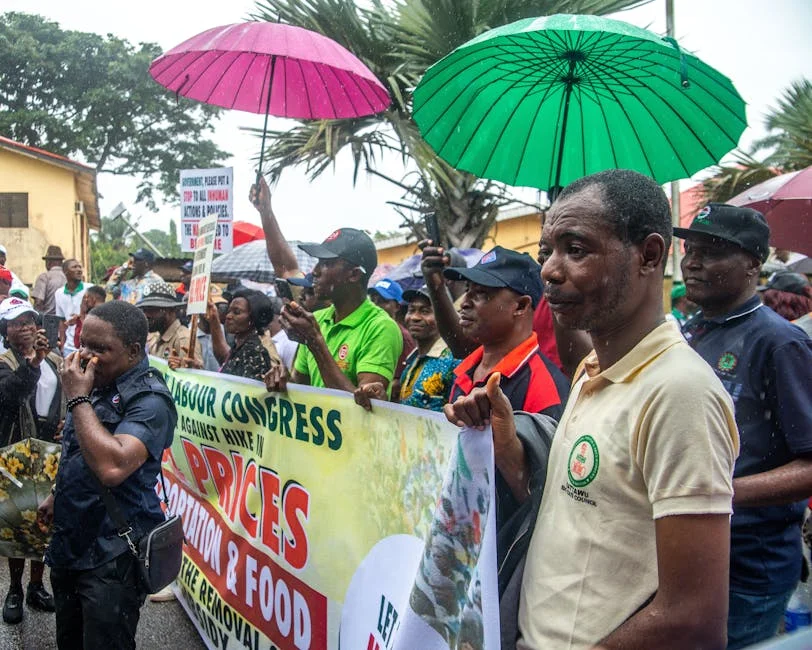
Their doubts are rooted in the observation that the financial strain caused by the war has led to reduced funding for schools, impacting the quality of education and the ability of students to access necessary learning materials. This situation is closely watched by educational experts across Africa, where similar challenges often arise due to competing priorities within national budgets.
Educational Impact in Iran and Beyond
The impact of reduced educational funding is not just felt in classrooms but also in broader societal developments. In Iran, there are fears that the neglect of educational needs could hamper future progress in fields such as science, technology, engineering, and mathematics (STEM), which are crucial for economic growth and innovation.
This scenario echoes the challenges faced by many African countries striving to meet their development goals. Ensuring robust investment in education is seen as pivotal for achieving sustainable growth and addressing continental challenges such as youth unemployment and technological advancement.
Comparisons with African Experiences
African nations often face similar hurdles when balancing military expenditures with investments in education. For instance, Nigeria, one of Africa’s most populous countries, frequently debates how to allocate its budget to meet both immediate security needs and long-term educational aspirations.
Nigerian educators and policymakers closely follow developments in Iran, drawing parallels between the struggles of securing adequate funding for schools and the broader implications for national development. The experience of Iranian teachers serves as a reminder of the importance of prioritising education in times of conflict and economic hardship.
Implications for Africa's Development Goals
The situation in Iran underscores the interconnectedness of education, economic stability, and political decision-making. For African countries aiming to achieve their development goals set out in frameworks such as the United Nations Sustainable Development Goals (SDGs), ensuring consistent support for education is critical.
By examining how Iran manages its educational system during times of war, African nations can gain insights into strategies for maintaining educational standards even under challenging circumstances. This knowledge can help inform policy decisions and resource allocation, ultimately contributing to stronger educational outcomes and better preparedness for future generations.
Looking Ahead: The Role of Education in National Resilience
The voices of doubt from Iranian teachers signal an important moment for reflection on the role of education in national resilience and development. As African countries continue to navigate their own paths towards progress, they will benefit from understanding how different factors—such as war, economic conditions, and political choices—affect the provision and quality of education.
By learning from the experiences of Iran and other countries facing similar challenges, African nations can work towards creating more resilient and adaptable educational systems, better equipped to support the continent’s ambitious development goals.