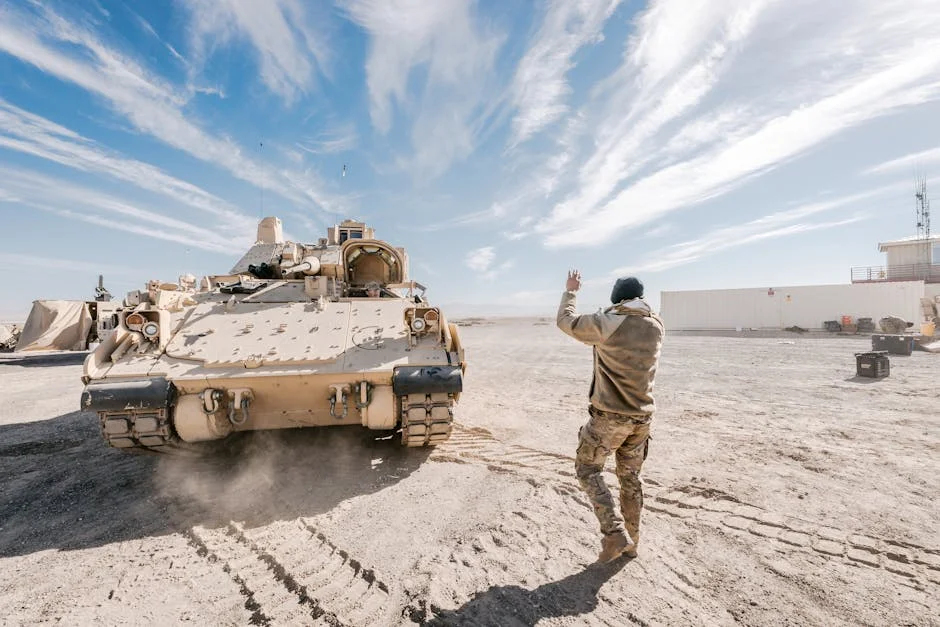
An oil tanker bound for the Mumbai Port vanished from tracking systems in the Strait of Hormuz last week, raising concerns about escalating US-Iran tensions and potential disruptions to global trade. The tanker's disappearance highlights the strategic importance of the Strait of Hormuz for maritime traffic and underscores the ongoing geopolitical challenges in the region.
The Disappearance of the Oil Tanker
The oil tanker, carrying crude oil destined for the bustling Mumbai Port, went dark in the Strait of Hormuz, one of the world’s most critical shipping lanes. This area, located between Oman and Iran, is crucial for global energy supplies, with approximately 20% of the world's oil passing through it daily. The sudden loss of contact with the tanker has sparked speculation about its whereabouts and the potential reasons behind the disappearance.
Analysts suggest that the tanker may have altered its course to avoid detection by US military assets in the region, possibly due to heightened tensions between the United States and Iran. The decision to go dark could be a strategic move to navigate safely through the Strait of Hormuz without interference from the ongoing conflict.
Significance for Global Trade and Africa
The Strait of Hormuz plays a pivotal role not just for Middle Eastern countries but also for nations across the globe, including those in Africa. Disruptions to this vital waterway can affect the supply chains of many African countries, which rely heavily on imports for essential goods such as fuel and food. The sudden vanishing of the tanker serves as a reminder of the interconnectedness of global economies and the potential impact of regional conflicts on broader trade networks.
Africa’s development goals, particularly in areas such as infrastructure, energy, and economic growth, are closely tied to stable and efficient global trade routes. Any disruption in the flow of goods through the Strait of Hormuz can hinder progress towards these objectives, making it crucial for African nations to monitor and adapt to changes in regional geopolitics.
Mumbai Port's Role in the Global Economy
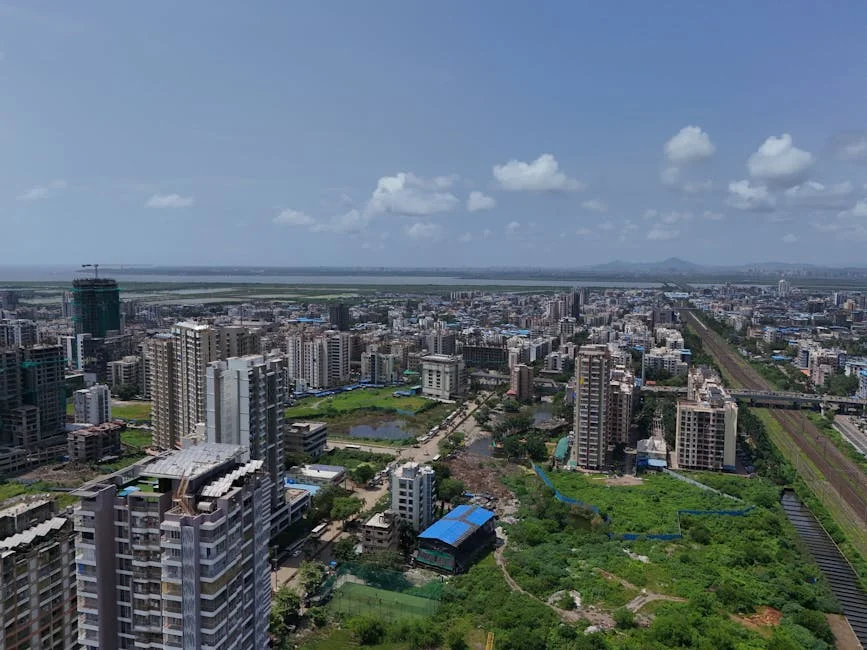
The Mumbai Port, a key entry point for goods into India, is one of the busiest ports in the world. Its significance extends beyond just the Indian market, as it serves as a gateway for commodities flowing into South Asia and beyond. The port’s efficiency and capacity to handle large volumes of cargo are essential for supporting the economic growth of not only India but also neighbouring countries that rely on it for trade.
For African nations, maintaining robust trade links with India through ports like Mumbai is vital. These connections facilitate access to technology, investment, and diverse markets, contributing to overall economic development and fostering stronger ties between the continents.
Iran's Geopolitical Influence and Challenges
Iran’s position along the Strait of Hormuz gives it significant leverage over global energy supplies and international trade routes. The country’s ability to influence maritime traffic through this narrow passage is a key factor in its regional power dynamics and negotiations with other nations, including the United States.
However, Iran faces several challenges, including economic sanctions, political instability, and internal pressures that affect its ability to maintain its influence. These factors can impact the stability of global trade routes and the reliability of oil supplies, which in turn affect African countries’ economic prospects and development goals.
Implications for Future Trade Relations
The recent events in the Strait of Hormuz highlight the need for continued vigilance and strategic planning in global trade relations. For African nations, securing reliable and cost-effective trade routes remains crucial for achieving their development objectives. This includes not only physical infrastructure but also diplomatic relationships and agreements that support smooth commerce.
The vanishing of the oil tanker also serves as a reminder of the importance of technological advancements in navigation and communication. Improved tracking and monitoring systems can help ensure the safe and efficient passage of goods through critical waterways, benefiting both African and global economies.