India’s stock market took a hit today as oil prices soared, with the Sensex shedding 500 points and the Nifty dropping by 200 points. This development not only impacts local economies but also has wider implications for Africa’s economic landscape.
Oil Prices Rise Globally
The global oil market experienced a significant increase in prices, pushing up crude oil costs to over $80 per barrel. This rise in oil prices is largely attributed to geopolitical tensions and reduced supply from major producers such as Russia and Saudi Arabia. The surge in oil prices has immediate effects on the cost of doing business and living for many countries, including those in Africa.
Nigeria, being one of the largest oil producers in Africa, stands to benefit from higher oil prices due to increased revenue from exports. However, the country’s reliance on oil also makes it vulnerable to fluctuations in global markets, which can affect its broader economic stability.
Sensex and Nifty Take a Dip
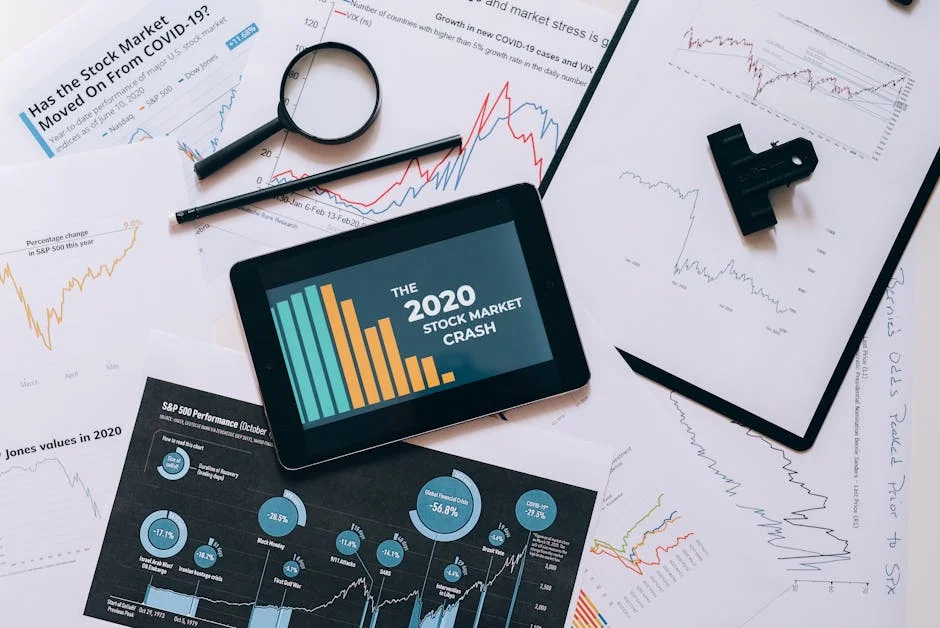
The Bombay Stock Exchange's benchmark index, the Sensex, saw a decline of 500 points, while the National Stock Exchange’s Nifty index dropped by 200 points. These movements reflect investor sentiment and the impact of rising oil prices on various sectors within the Indian economy.
Manufacturing and transportation companies, which are heavily dependent on fuel, faced increased operational costs, leading to a downward pressure on their share prices. Additionally, the rise in oil prices also affected consumer spending, as more disposable income was allocated towards energy expenses rather than other goods and services.
Africa's Economic Connection to India
Africa’s economic relationship with India is multifaceted, with both regions sharing trade ties and investment flows. The drop in India’s stock market can have ripple effects across the continent, influencing foreign direct investment (FDI) and trade dynamics.
For instance, Nigeria, as the largest economy in Africa, is closely watched by international investors. A downturn in India’s market might cause some investors to reassess their risk appetite and potentially shift funds away from emerging markets, including Nigeria. This could impact Nigeria’s ability to attract FDI and maintain robust economic growth.
Infrastructure and Development Goals
The fluctuation in oil prices and its impact on India’s stock market highlight the interconnectedness of global financial systems and the importance of stable economic conditions for achieving development goals in Africa. Infrastructure projects, a key focus for many African nations, often require substantial investment, which can be influenced by external factors such as changes in global stock markets.
Moreover, the rise in oil prices presents both challenges and opportunities for Africa. While higher oil prices can boost export revenues for oil-producing countries, they also pose risks to countries that rely on imported fuel, such as those in East Africa. These countries may face higher inflation rates and increased costs for public services, potentially hindering progress towards their development objectives.
Health and Education Impacts
The economic repercussions of oil price increases and market fluctuations can extend to areas such as health and education in Africa. Higher costs of living and reduced economic growth can strain government budgets, affecting funding for healthcare and educational initiatives.
In Nigeria, for example, the government has been implementing policies aimed at improving access to quality education and healthcare. However, any disruption to the economy, such as that caused by changes in global oil markets, can make it harder to achieve these goals. The current situation in India serves as a reminder of the ongoing challenges and the need for resilient economic strategies in Africa.
Looking Ahead
As oil prices continue to fluctuate and the global market remains dynamic, it is crucial for African nations to monitor these trends and adapt their economic strategies accordingly. Strengthening regional cooperation and diversifying economies can help mitigate the impacts of external shocks, supporting sustained development and growth.
The recent dip in India’s stock market serves as an important signal for Africa, highlighting the interdependence of global financial systems and the ongoing importance of robust economic policies for achieving long-term development goals.