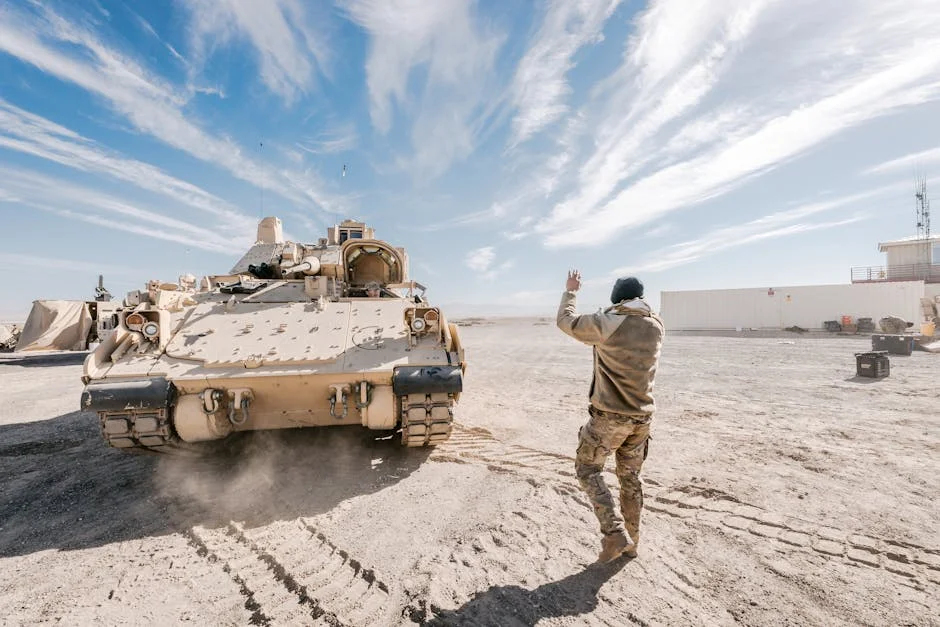
The ongoing conflict between the United States and Iran has sent shockwaves through India's financial markets, causing the Nifty50 index to plummet below 23,600 points on Thursday, March 12, 2026. The BSE Sensex also suffered a significant drop, falling over 900 points. This dramatic shift in the stock market could have ripple effects across the global economy, including Africa.
Iran-US Tensions Fuel Market Uncertainty
The prolonged tension between the United States and Iran has been a key factor in the recent volatility of the Indian stock market. As the conflict continues, investors are increasingly wary of its potential impact on global trade and economic stability. This uncertainty has led to a sell-off in stocks, particularly affecting sectors that are closely tied to international trade and investment.

According to financial analysts, the drop in the Nifty50 and BSE Sensex reflects not just the immediate impact of the Iran-US conflict, but also broader concerns about the state of the global economy and geopolitical stability. These factors have combined to create an environment where risk aversion is high among investors.
African Economies Linked to Global Trends
The situation in India's stock market is part of a larger narrative of global economic interconnectivity. African economies, which are often reliant on exports and international investment, can be significantly affected by shifts in major markets like those in India. As such, the downturn in the Nifty50 and BSE Sensex may signal potential challenges for African countries looking to maintain robust trade relationships with India and other global partners.
Economic experts suggest that while the direct impact on Africa might not be as severe as on closer trading partners, there could be secondary effects, such as reduced foreign investment or changes in commodity prices, which could influence African markets.
Infrastructure and Trade Opportunities
The interconnectedness of the global economy also presents opportunities for African nations. Despite the current market instability, there remains a strong focus on infrastructure development and trade agreements that could benefit the continent. For example, increased investment in transport and communication networks could help to insulate African economies from some of the volatility seen in global markets.
Moreover, strategic partnerships and agreements, such as the African Continental Free Trade Area (AfCFTA), aim to enhance intra-African trade and reduce reliance on external markets. These initiatives could provide a buffer against fluctuations in other parts of the world, including those stemming from the Iran-US conflict.
Governance and Economic Resilience
The resilience of African economies in the face of global market changes is closely linked to effective governance and policy-making. Strong leadership and well-crafted economic policies can help to mitigate the effects of external shocks and create conditions for sustained growth.
In light of the current market instability, African governments are likely to pay close attention to the performance of key sectors such as agriculture, manufacturing, and services, which are crucial for both domestic stability and international trade. By maintaining a focus on these areas, they can work towards building a more resilient and diversified economy.
Looking Ahead: What to Watch Next
The coming weeks will be critical for observing how the global markets respond to the continued Iran-US tensions. For Africa, this period offers an opportunity to assess the effectiveness of its economic strategies and to identify areas where further development and investment could be beneficial.
As the situation unfolds, African nations will need to remain vigilant and adaptable, leveraging their strengths in natural resources, human capital, and growing consumer markets to navigate the complexities of the global economy. By doing so, they can continue to make progress towards achieving their development goals and seizing new opportunities for growth and prosperity.