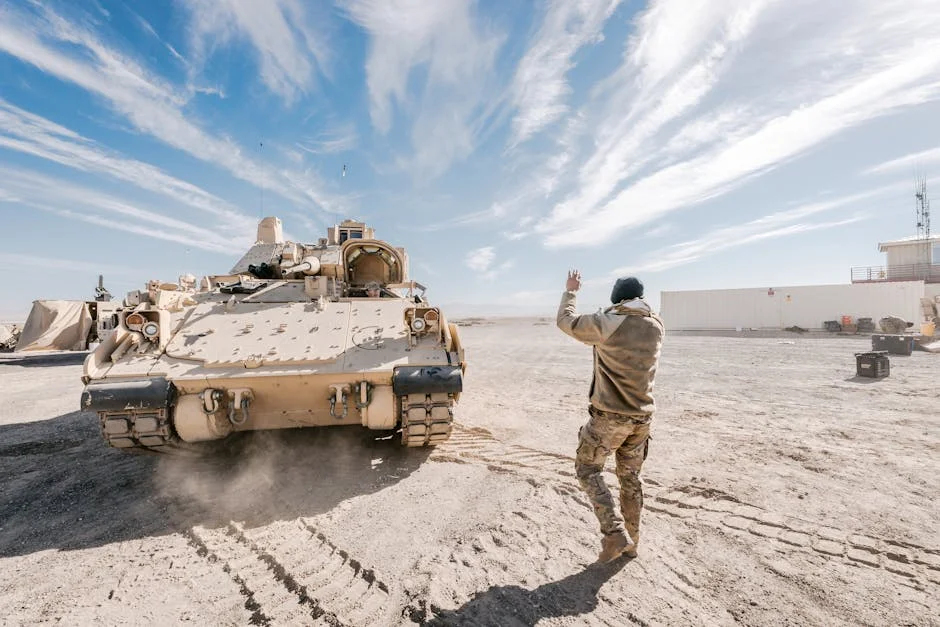
The ongoing conflict in Iran is not just affecting the global supply of oil and gas but also disrupting six other crucial commodities, which could have significant implications for Africa's development goals.
Nigeria's Economic Interests at Stake
The Nigerian economy, heavily reliant on imports and exports, is closely watching the developments in Iran. With the Strait of Hormuz, a vital waterway for global trade, potentially facing disruptions due to the conflict, Nigeria’s access to essential goods could be affected. The country’s main exports include crude oil, cocoa, and rubber, while its imports consist largely of machinery, vehicles, and pharmaceutical products. Any changes in global commodity prices or availability can significantly impact Nigeria's balance of payments and overall economic stability.

Moreover, Nigeria's position as a major player in the West African region means that any disruptions in global trade can have a ripple effect across the continent. This underscores the interconnectedness of Africa's economies with global markets, highlighting the importance of diversified trade relationships for long-term stability and growth.
Africa's Dependence on Global Commodity Flows
Africa’s reliance on imported goods such as wheat, rice, and cooking oils makes it particularly vulnerable to disruptions in global commodity flows. These staples are often sourced from countries in the Middle East, including Iran, and any instability in that region can lead to price volatility and shortages. This has direct consequences for food security and nutrition across the continent, which are critical for achieving the United Nations Sustainable Development Goals related to zero hunger and good health and well-being.
Furthermore, the impact on global commodity prices can affect the purchasing power of African consumers, as well as the profitability of local businesses. This highlights the need for African nations to strengthen their domestic production capabilities and diversify their import sources to mitigate the effects of global market fluctuations.
Infrastructure and Transportation Challenges
The disruption caused by the Iran conflict extends beyond just commodity prices. It also affects the broader infrastructure and transportation networks that support global trade. In Africa, where there is often a need for improved port facilities and road networks, any hindrance to the flow of goods through key maritime chokepoints like the Strait of Hormuz can create logistical challenges.
This underlines the importance of continued investment in infrastructure across the continent. By improving ports, railways, and roads, African countries can enhance their ability to navigate disruptions in global supply chains and maintain steady economic growth. Additionally, robust infrastructure supports increased trade within the continent, fostering regional integration and mutual prosperity.
Economic Growth and Diversification
The current situation in Iran serves as a reminder of the benefits of economic diversification. As Africa seeks to achieve sustainable economic growth, it must look beyond traditional sectors such as agriculture and natural resources. By developing industries related to manufacturing, services, and technology, African nations can reduce their vulnerability to external shocks and create more resilient economies.
In particular, the energy sector offers vast potential for growth and diversification. With abundant natural resources and growing populations, many African countries are poised to become leaders in renewable energy production. This not only reduces dependence on imported fuels but also creates new job opportunities and stimulates technological innovation.
Continental Opportunities and Challenges
The disruptions caused by the Iran conflict present both challenges and opportunities for Africa. On one hand, they highlight the need for greater resilience in the face of global market fluctuations. On the other hand, they underscore the potential for Africa to become a more significant player in global trade and commerce.
To seize these opportunities, African nations must continue to work towards stronger regional integration and cooperation. Initiatives such as the African Continental Free Trade Area (AfCFTA) aim to create a single market for goods and services, boosting intra-African trade and reducing reliance on external partners. By doing so, Africa can build a more prosperous and self-sufficient future, aligned with its development goals and capable of weathering future global disruptions.