Gunmen have killed at least 65 Nigerian soldiers in northeastern Borno state, dealing a significant blow to the country's security and its broader development goals. The attack, carried out by the Islamic State West Africa Province (ISWAP) on March 18th, highlights the ongoing challenges faced by Nigeria in maintaining stability and progress across the continent.
Nigerian Soldiers Fall Prey to ISWAP Raids
The attack occurred during an ambush by ISWAP fighters on Nigerian troops near the town of Monguno in Borno state. This region has been a focal point for conflict, with frequent clashes between Nigerian forces and various militant groups. The loss of 65 soldiers represents a substantial setback for Nigeria's military efforts to secure the northeast and protect local populations from insurgent attacks.
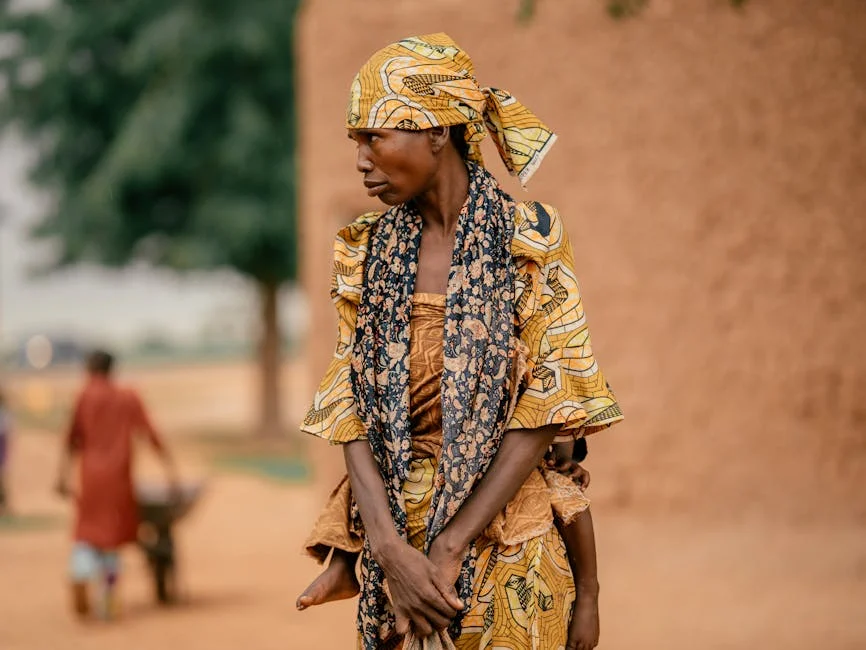
The incident underscores the persistent threat posed by militant groups to Nigeria's security and development. Such losses can weaken the military's capacity to engage in operations aimed at improving regional stability and infrastructure development.
Challenges to Security and Development in Nigeria
Nigeria faces numerous challenges in achieving its development goals, with security being one of the most pressing issues. The northeast is particularly vulnerable, suffering from years of conflict that have hindered economic growth and infrastructure projects. The recent attack highlights the ongoing struggle to provide safe conditions for investment and development in the region.
The loss of life among Nigerian soldiers also impacts the morale and effectiveness of the military, which plays a crucial role in securing the country's borders and protecting key areas for economic activity. This can affect the overall trajectory of Nigeria's development, as instability in one part of the country can have ripple effects across the nation.
African Development Goals and Continental Challenges
Nigeria's security situation is closely linked to the broader goals of African development. As one of the largest economies on the continent, Nigeria's stability is vital for regional trade and economic growth. The country's ability to maintain peace and security is essential for attracting foreign investment and fostering the kind of economic activities that drive development.
The northeast, with its rich agricultural potential and strategic location, is key to Nigeria's economic prospects. However, the constant threat of militant attacks hinders the development of this area, making it harder to achieve the goals set forth in the African Union's Agenda 2063, which aims to create a prosperous and united Africa.
Opportunities for Progress Despite Challenges
Despite the setback caused by the recent attack, there are still opportunities for progress in Nigeria. The government continues to invest in infrastructure and has launched several initiatives aimed at boosting the economy and improving living standards. These efforts are crucial for overcoming the challenges posed by ongoing conflicts and ensuring that Nigeria remains a leader in African development.
The resilience of the Nigerian people and their continued commitment to development despite adversity offer hope for a brighter future. By focusing on strengthening security and fostering economic growth, Nigeria can continue to play a pivotal role in shaping the continent's destiny.
Looking Ahead
The impact of the recent attack on Nigerian soldiers will be felt not just within the military but also in the broader context of national and continental development. As Nigeria works to overcome this challenge, it will be important to monitor the effectiveness of its security measures and the progress of development initiatives in the northeast.
The international community will also be watching closely, as Nigeria's success in addressing these challenges could set a precedent for other African nations facing similar obstacles. The road ahead may be challenging, but Nigeria's determination and resourcefulness offer reasons for optimism.