Europe has seen its stock markets fall into the red today, following escalating tensions in Iran that have caused Asian markets to tumble. This development not only highlights the interconnectedness of global economies but also underscores the importance of stability in the Middle East for African nations like Nigeria.
The Escalation in Iran
The situation in Iran has been heating up recently, with tensions between the country and the United States reaching new heights. This has led to significant volatility in financial markets across Asia, where many businesses have close ties to Iran's economy. The impact of these tensions is being felt far beyond the region, reaching as far as Europe and even Africa.
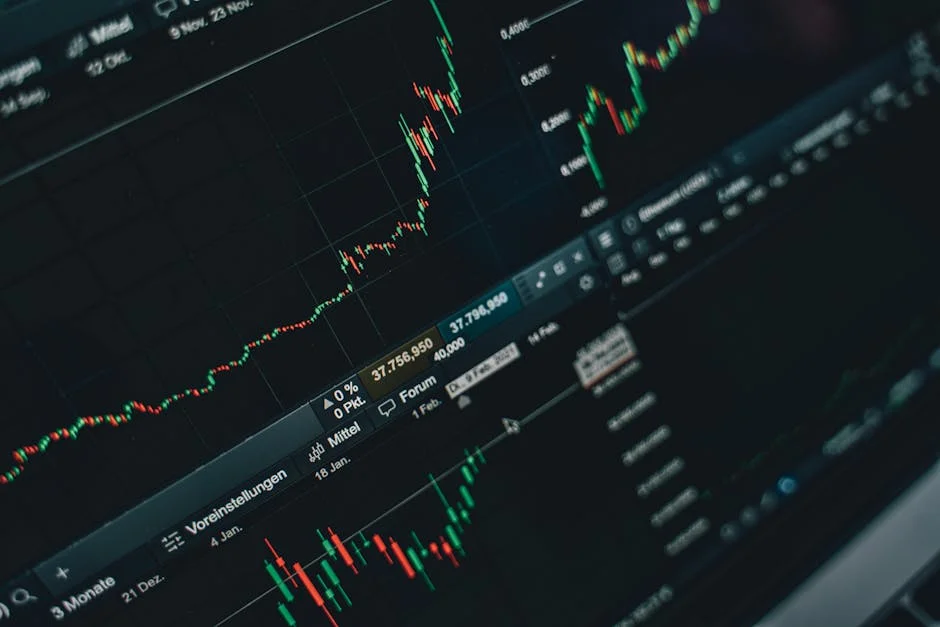
Nigeria, as one of Africa’s largest economies, is particularly attentive to these developments because of its extensive trade and investment links with European countries. The fall in European markets could affect Nigeria’s economic performance, given the interdependence of global financial systems.
The Ripple Effect on Nigeria
Nigeria’s economy is closely tied to global market trends, especially those in Europe and Asia. The decline in European stock markets could lead to reduced foreign direct investment and lower remittances from Nigerians working abroad, both of which are crucial sources of revenue for the country. This could pose challenges for Nigeria’s ongoing efforts to boost its infrastructure and improve living standards.
In addition, the weakening of the Euro and other European currencies against the US dollar can affect Nigeria’s ability to import goods from Europe, potentially leading to higher prices for consumers and increased inflationary pressures. This is particularly significant given Nigeria’s recent struggles with currency instability.
African Development Goals at Stake
The interconnected nature of global economies means that events in one part of the world can have far-reaching consequences for another. For Africa, the current situation in Iran and the resulting economic turbulence in Europe serve as a reminder of the importance of maintaining stability and growth in key trading partners.
Nigeria’s development goals, such as improving healthcare, education, and infrastructure, depend not just on internal factors but also on external economic conditions. The fluctuating fortunes of European markets can impact Nigeria’s ability to attract the investment needed to achieve these goals.
Opportunities Amidst Challenges
While the current situation presents challenges for Nigeria and other African nations, it also offers opportunities. For example, the weakening of the Euro may make it cheaper for Nigerian businesses to export goods to Europe, potentially boosting the country’s manufacturing sector. Additionally, periods of market volatility often create windows for strategic investments by forward-thinking companies and governments.
The Nigerian government and central bank will need to monitor these global developments closely and adjust their policies accordingly to support the economy during times of uncertainty. This includes managing exchange rates, supporting local industries, and fostering an environment that encourages both domestic and foreign investment.
Looking Ahead
The continued tension in Iran and the resulting impacts on global markets will be closely watched by economists and policymakers in Nigeria and across Africa. As the situation evolves, it will be important to see how these events shape Nigeria’s economic trajectory and its progress towards achieving its development goals.
For now, the focus remains on stabilising the global markets and ensuring that the ripple effects of the current tensions do not hinder Nigeria’s path to becoming a more prosperous and economically resilient nation.