Drones Spread Fear in Tehran as Israel Strikes, Shaking Up Middle East Tensions
Israel Launches Airstrikes on Beirut, Sparking Regional Concerns
On Thursday, Israel carried out a series of airstrikes on Beirut, Lebanon, targeting military installations linked to Iran. The attacks came as a surprise to many, shaking up the already volatile political climate in the region.
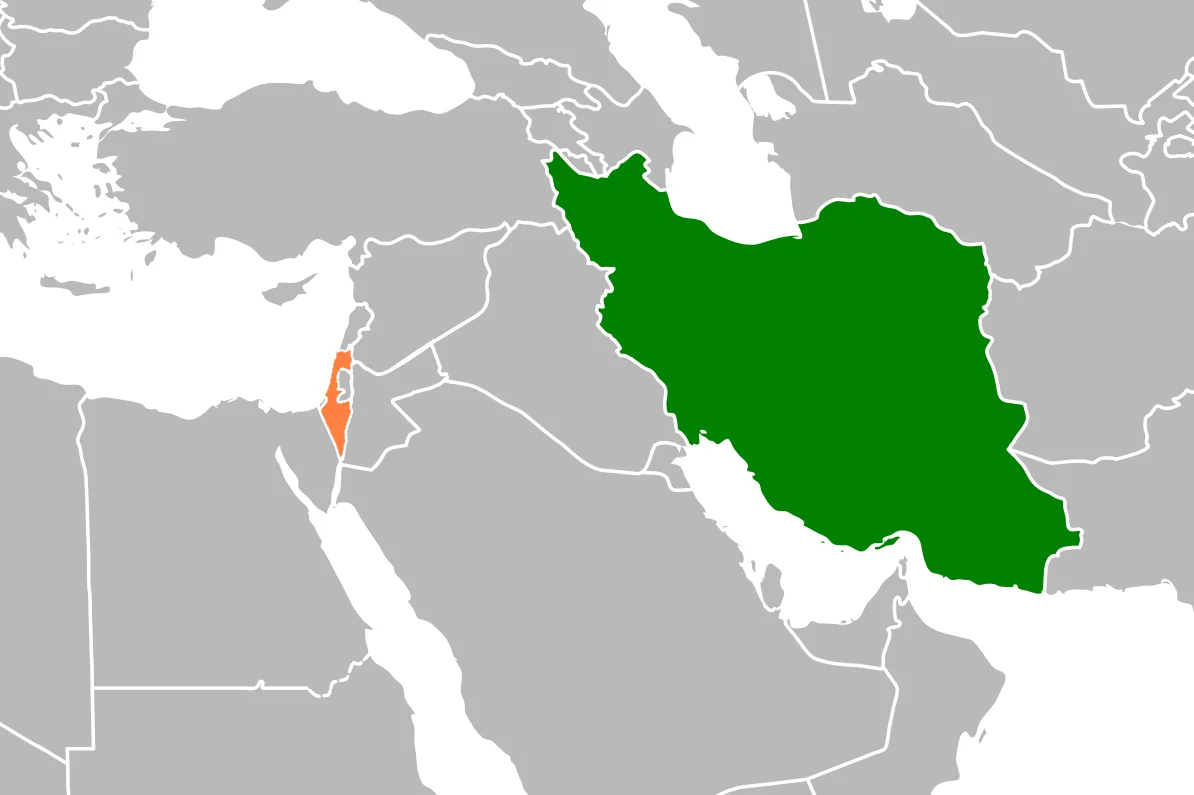
The strikes were widely seen as a response to recent rocket fire from southern Lebanon, which had landed near Israeli settlements. This latest round of hostilities has brought renewed focus to the complex web of alliances and rivalries in the Middle East, where Iran and its allies often find themselves at odds with Israel.
Drones Cause Panic in Tehran, Raising Questions About Regional Security
In a separate incident, Israeli drones flew over Tehran, causing panic and concern among residents. While there were no reported casualties, the event highlighted the ongoing tensions between Iran and its regional adversaries.
The drone flights over the Iranian capital were part of a broader strategy by Israel to demonstrate its military prowess and assertiveness in the face of perceived threats. These actions underscore the interconnectedness of the Middle East's security landscape and how events there can have ripple effects across the continent.
Nigeria's Interest in Middle Eastern Dynamics
While these events took place thousands of miles away, they hold significant interest for Nigeria and other African nations. As a major player in the global oil market, Nigeria is closely tied to the stability of the Persian Gulf, where much of the world’s crude oil is produced.
The Middle East's geopolitical dynamics also influence trade routes such as the Strait of Hormuz, which is crucial for Nigerian exports. Any disruption in this region could affect Nigeria’s economy and its ability to maintain steady oil prices on the international market.
African Development Goals and Middle Eastern Tensions
The ongoing tensions between Iran and Israel highlight the importance of regional stability for achieving African development goals. For countries like Nigeria, maintaining strong trade relationships and secure supply chains is essential for economic growth and progress.
Moreover, the Middle East's strategic location and economic power make it a key partner for African nations looking to diversify their economies and enhance their global trade networks. The resolution of conflicts and the establishment of stable political environments in the Middle East can provide opportunities for increased collaboration and investment between Africa and the Gulf states.
Opportunities and Challenges for Africa
The current situation presents both challenges and opportunities for African countries. On one hand, continued instability in the Middle East could disrupt global oil supplies and affect Nigeria’s export revenues. On the other hand, a peaceful resolution to regional disputes could open doors for new trade agreements and partnerships that benefit African economies.
Nigeria and other African nations are increasingly positioning themselves as important players in the global arena, and the outcomes of Middle Eastern conflicts will play a role in shaping their future prospects. By staying informed about these developments and engaging strategically, African nations can navigate the complexities of international relations and work towards achieving their development goals.