Citi Bank has evacuated its offices in Dubai following threats from Iran, highlighting the interconnectedness of global financial markets and the potential impact on African economies.
Dubai's Role as a Global Financial Hub
The decision by Citi Bank to evacuate its offices in Dubai underscores the city’s importance as a global financial centre. With its strategic location at the crossroads of Europe, Asia, and Africa, Dubai serves as a vital link between these regions, facilitating trade, investment, and financial flows. The evacuation comes as a result of heightened tensions in the Middle East, specifically threats made by Iran against US interests in the region.
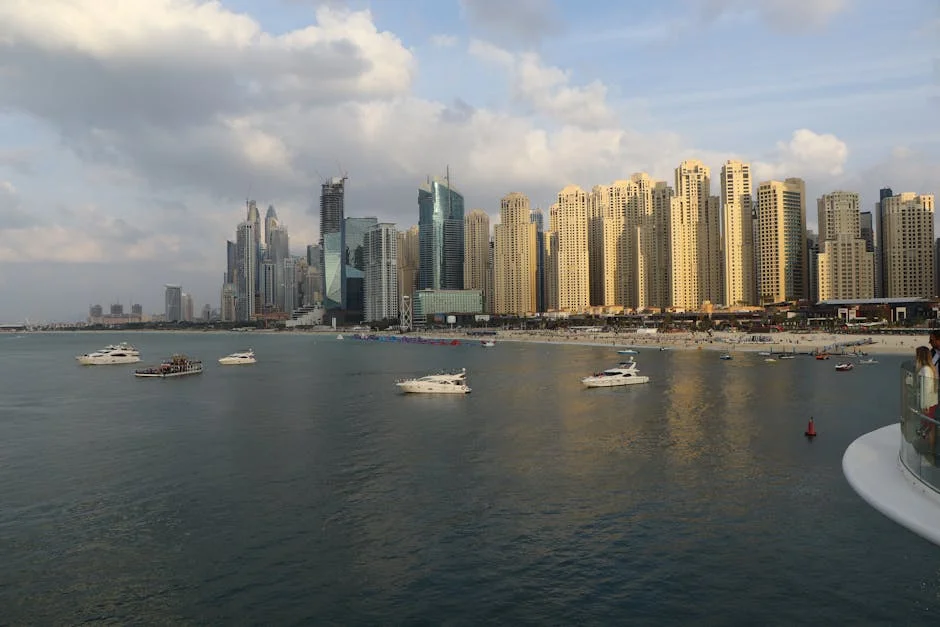
Nigeria and other African nations have long benefited from Dubai’s status as a trading partner and financial intermediary. The city acts as a gateway for African businesses to access international markets, making any disruptions in its operations particularly significant for the continent.
The Impact on African Economies
The evacuation of Citi Bank’s offices in Dubai could have ripple effects on African economies, which are closely tied to global financial markets. African countries often rely on foreign direct investment, remittances, and trade with Gulf states, including the UAE, to drive growth and development.
In particular, Nigeria stands to benefit from a stable and thriving Dubai, given the historical trade links and the presence of Nigerian expatriates in the UAE. These connections facilitate not just commercial transactions but also cultural and social exchanges that enrich both nations.
African Development Goals and Challenges
This event highlights some of the key challenges faced by African countries in achieving their development goals. One major challenge is the vulnerability of African economies to external shocks, such as those emanating from geopolitical tensions or financial market disruptions.
Africa’s ambition to deepen regional integration and enhance its participation in global value chains requires robust financial systems and stability. Events like the evacuation of Citi Bank’s offices in Dubai serve as a reminder of the importance of maintaining strong ties with global financial centres and diversifying economic relationships.
Opportunities for Africa
While the evacuation presents risks, it also offers opportunities for African financial institutions and businesses to strengthen their positions. By demonstrating resilience and adaptability, African entities can attract more investment and establish themselves as reliable partners in international trade and finance.
Moreover, the interconnected nature of global finance means that innovations and improvements in one part of the world can quickly spread to others. As Dubai continues to evolve as a financial hub, it will likely bring new opportunities for collaboration and growth for African economies.
Looking Ahead
The evacuation of Citi Bank’s offices in Dubai serves as a reminder of the complex interplay between geopolitics and finance. For African nations, it signals the need to remain vigilant and proactive in managing their economic relationships and navigating global uncertainties.
As the situation in the Middle East evolves, the impact on Dubai’s financial sector and its connections with Africa will be closely watched. This event provides an opportunity for African leaders to reflect on their economic strategies and seek to build stronger, more resilient financial systems that can withstand future shocks.