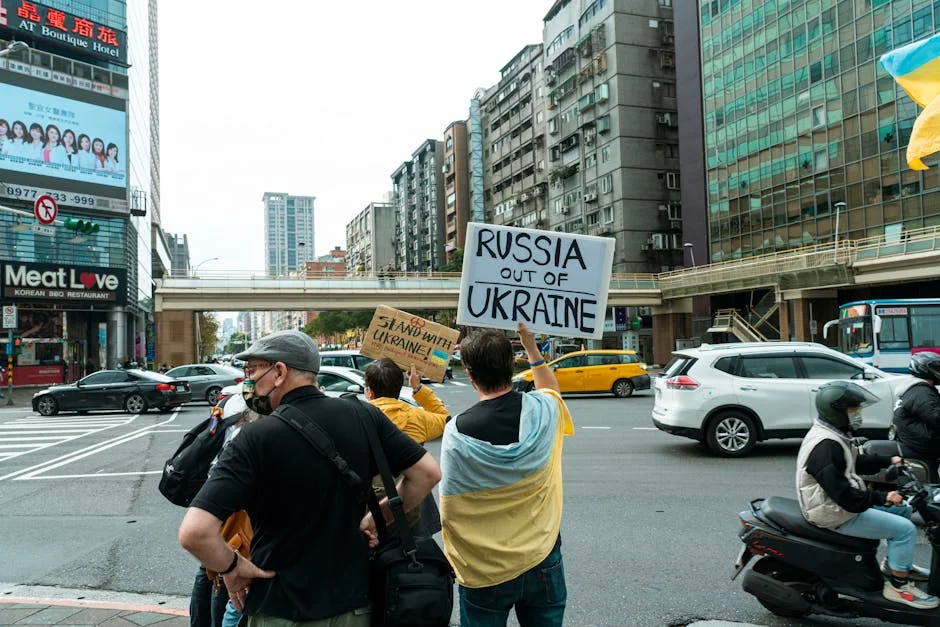
The global south has strongly condemned recent statements from the United States and Israel regarding potential military actions against Iran, accusing both nations of imperialist undertones that could destabilize regional and international relations. The condemnation comes as African nations continue to grapple with development challenges and seek stability and cooperation.
African Leaders Criticize Imperialist Posturing
At a recent summit in Addis Ababa, leaders from across Africa expressed deep concern over the escalating tensions between the US and Iran. President Julius Malema of South Africa, speaking on behalf of the African Union, stated, “The global south cannot remain silent as imperialist powers threaten to disrupt the peace and security we have worked so hard to achieve.” He emphasized the need for dialogue and diplomacy to resolve conflicts rather than resorting to military intervention.

The criticism from the African continent reflects broader concerns about the implications of such actions on global stability and economic development. With many African countries still striving to meet the Sustainable Development Goals set by the United Nations, any disruption in regional stability could hinder progress towards these objectives.
Impact on Regional Stability and Trade
Economic analysts warn that a military conflict involving Iran could severely impact global trade routes, particularly those that pass through the Strait of Hormuz, a critical chokepoint for oil shipments. This could lead to increased fuel prices and affect economies worldwide, including those in Africa which rely heavily on imported oil and gas.
For Nigeria, Africa's largest economy, the situation poses significant risks. Nigeria imports much of its refined petroleum products, and any disruptions in supply could exacerbate existing energy crises and inflationary pressures. Dr. Chika Onyejiuwa, an economist at the University of Lagos, noted, “If tensions escalate into a full-scale conflict, Nigeria’s economic recovery efforts could be severely hampered.”
Call for Dialogue and Diplomatic Solutions
In light of the potential ramifications, African leaders have called for renewed diplomatic efforts to address the issues at hand. They advocate for multilateral approaches that involve international organizations such as the UN and regional bodies like the African Union.
The AU has urged the international community to support peaceful resolutions and dialogue to prevent a crisis that could undermine decades of progress made in areas such as health, education, and infrastructure development. “Africa stands ready to contribute to finding a peaceful solution,” said AU Commissioner for Peace and Security, Smail Chergui.
Opportunities for Pan-African Cooperation
Despite the challenges posed by the potential conflict, there are also opportunities for increased collaboration among African nations. The crisis highlights the importance of self-reliance and regional integration, encouraging African countries to strengthen their internal markets and reduce dependency on external sources for critical goods and services.
Nigeria, for instance, has been exploring ways to diversify its energy sector and reduce reliance on imported fuels. The government recently launched initiatives aimed at boosting local refining capacity and renewable energy projects. These efforts could provide a model for other African nations looking to enhance their resilience in the face of global instability.
Global South Unity Against Imperialism
The united stance taken by the global south against perceived imperialist actions underscores a growing trend towards solidarity and mutual support among developing nations. This unity can serve as a catalyst for greater cooperation in addressing common challenges, from climate change to economic disparities.
As African nations continue to focus on achieving their development goals, they will likely prioritize policies that promote regional stability and cooperation. By working together and leveraging their collective strength, African countries can navigate the complex geopolitical landscape and build a more prosperous future for their citizens.
The ongoing situation with the US and Israel serves as a reminder of the interconnectedness of global affairs and the importance of maintaining peace and stability. For Africa, this means continuing to advocate for inclusive and equitable solutions that benefit all nations, not just the powerful few.