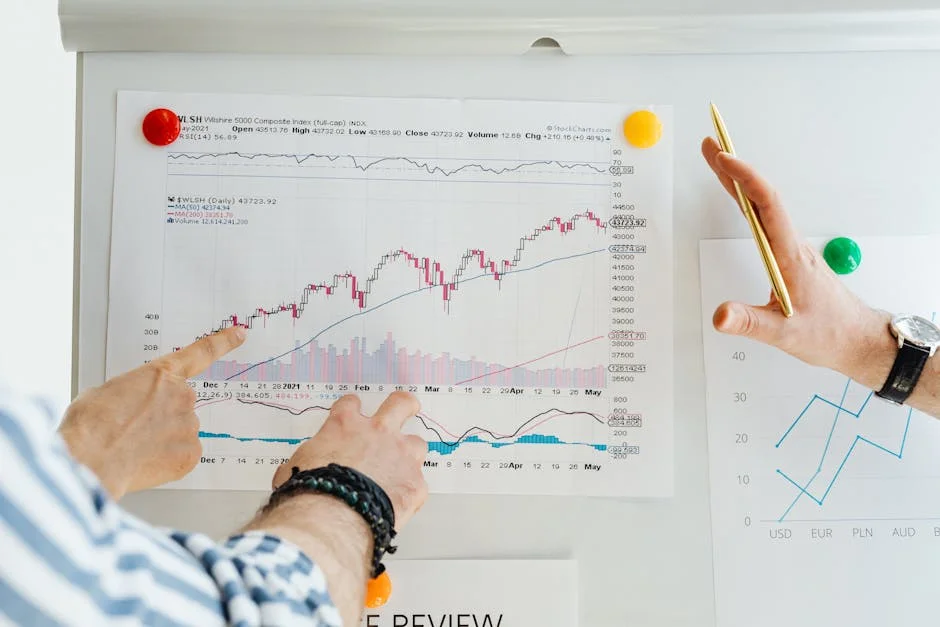
The ongoing Middle East War has sent shockwaves through African economies, particularly Nigeria, raising concerns about economic stability and development. As Lagos, Nigeria's economic hub, navigates the impacts, analysts warn of potential setbacks in growth and infrastructure.
Lagos Faces Economic Headwinds Amid Middle East Conflict
The Middle East War, which escalated in early October 2023, has not only affected nations directly involved but has also reverberated across continents, with Africa feeling the strain. The conflict has disrupted global oil supplies, leading to soaring prices and affecting oil-dependent economies like Nigeria. Analysts predict that the economic turmoil could exacerbate existing challenges in Lagos, a city already grappling with significant infrastructural deficits.
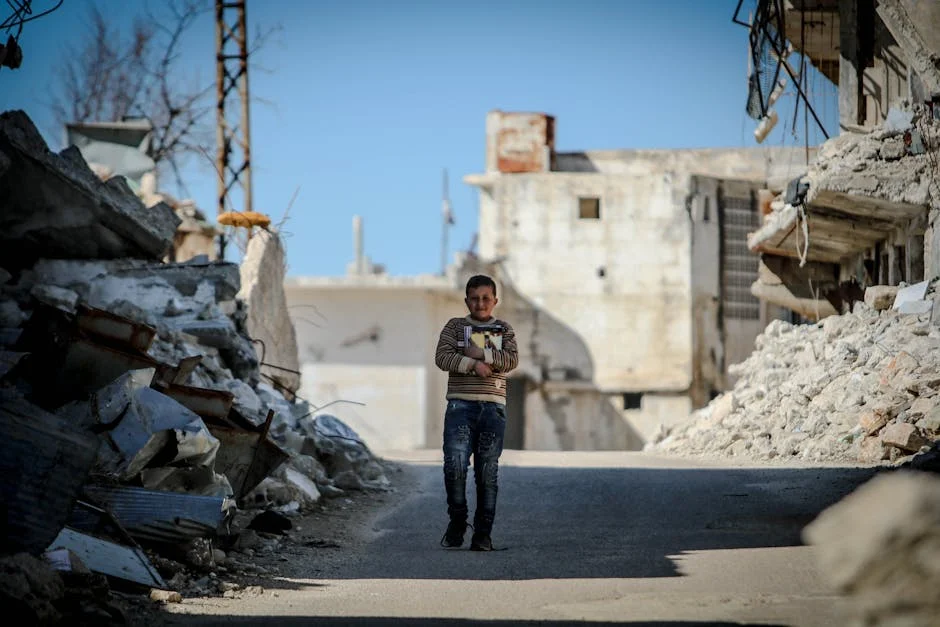
Oil Price Surge: The Immediate Effect on Nigeria's Economy
As the conflict escalated, oil prices surged to over $100 per barrel, creating a ripple effect on Nigeria's economy. The country, which relies on oil exports for over 90% of its foreign exchange earnings, is in a precarious position. According to the Nigerian National Petroleum Corporation, the rising prices could initially benefit the economy, but longer-term implications may include inflation and reduced purchasing power for citizens.
Lagos: The Heart of Nigeria's Economic Response
What happens in Lagos often dictates the economic direction of Nigeria. With the city housing a population exceeding 21 million and serving as a significant financial centre, its response to the Middle East War will be crucial. Local businesses are already reporting increased costs of goods, and transport prices are climbing due to inflated fuel costs. This situation puts additional pressure on Lagos's infrastructure, which is already strained and struggling to keep pace with urban growth.
Challenges to Development Goals in Africa
The Middle East War analysis indicates potential setbacks to Africa's development goals, particularly those focused on economic growth and infrastructure. The African Union's Agenda 2063 aims for inclusive growth and sustainable development, but rising oil prices and economic instability threaten these objectives. Lagos's struggles could serve as a microcosm for broader continental challenges, including health, education, and governance, as resources become scarcer amidst economic pressures.
Opportunities Amidst Crisis: A Call for Resilience
Despite the challenges, there are opportunities for innovation and resilience. The Nigerian government has started looking at alternative energy sources to reduce dependence on oil and mitigate the impact of global price fluctuations. Investments in renewable energy could provide long-term benefits for Lagos and potentially create jobs in the nascent sector. Furthermore, fostering regional trade could help to buffer against external shocks, encouraging collaboration among African nations.
As the Middle East War continues, Lagos will be a critical area to watch for its economic performance and responses to the unfolding crisis. The outcomes here will not only affect Nigeria's immediate future but could also serve as an indicator of how African economies navigate global conflicts, aiming to achieve sustainable development goals amidst adversity.