The United States has recently altered its approach to India's imports of Russian oil, moving from threats of sanctions to a more tacit acceptance. This shift comes amidst escalating tensions in the Ukraine conflict and has implications that extend beyond the subcontinent, particularly towards Africa.
US Sanctions Threats to Silent Acceptance
In a surprising turn of events, the US government has softened its previously stringent stance on India’s significant oil imports from Russia. Following the onset of the Ukraine war, Washington had warned New Delhi against engaging in business with Russia, citing potential sanctions. However, as of October 2023, US officials have signalled a willingness to overlook this issue, acknowledging India's energy needs amid rising global oil prices.
How This Shift Impacts Global Oil Markets
The US's new position on India’s Russian oil imports could have a cascading effect on global oil markets. With India, the world's third-largest oil importer, leaning towards Russian supplies, there could be a knock-on effect in African oil-exporting nations. Countries like Nigeria, Angola, and Algeria may face increased competition for European and Asian markets as India solidifies its relationship with Russia.
Iran's Role in the Energy Equation
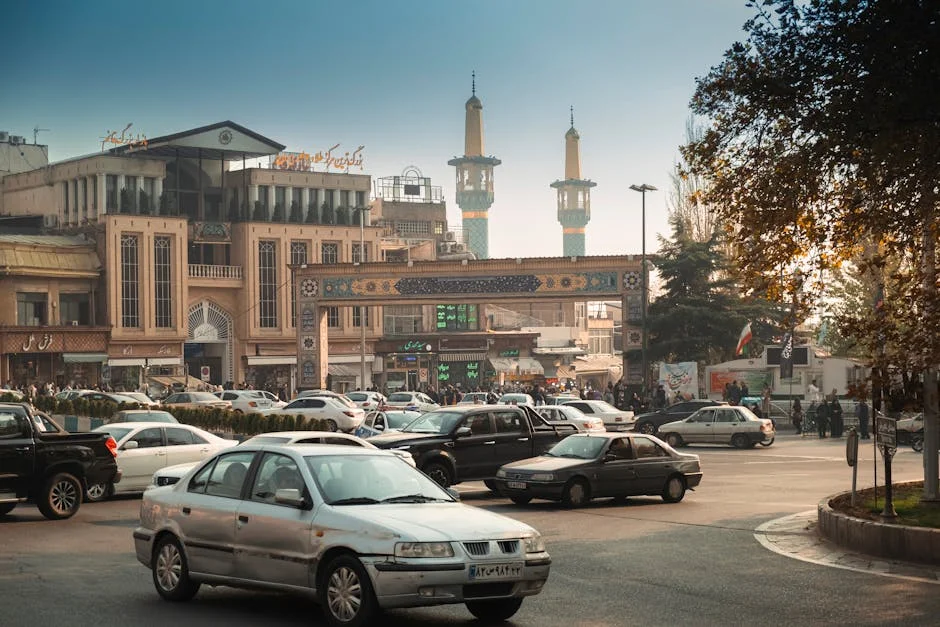
Simultaneously, Iran, which has been under heavy sanctions from the US for years, is seeking to strengthen its oil production and exports. The Iranian economy update shows a gradual recovery, with Tehran looking to enhance ties with India and other nations that are increasingly shunning US sanctions. This development raises questions about how Iran’s economic resurgence may affect African countries, particularly those with close ties to Israel.
Israel’s Strategic Interests in Africa
Israel’s ongoing developments in Africa, particularly in the context of trade and diplomatic relations, are crucial. As Israel strengthens its economic ties with African nations, there is a potential for conflict or cooperation in energy strategies. How Israel affects Nigeria, for example, is becoming increasingly relevant, especially as both nations navigate their respective energy needs and geopolitical alliances.
Opportunities and Challenges for African Development
The changing landscape of global oil trade presents both challenges and opportunities for Africa. While increased competition for oil markets may pressure African producers, it also opens avenues for economic partnerships beyond traditional western relationships. African nations must navigate these complexities while striving to achieve sustainable development goals, focusing on infrastructure, health, and education.
Looking Ahead: What to Watch For
As the geopolitical landscape continues to shift, African nations must remain vigilant. The implications of US foreign policy on energy imports, particularly in relation to India and Russia, could redefine partnerships across the continent. Stakeholders in Africa should monitor developments closely, particularly regarding how these global dynamics will influence local economies, governance, and developmental strategies.