Firefighters are currently battling a massive blaze at Springfield China Mall in Nigeria, which has tragically resulted in the destruction of 12 shops. The fire, which erupted in the early hours of the morning on October 10, 2023, has raised concerns over fire safety regulations and the impact on local businesses.
Extent of the Damage and Response
Emergency services were alerted to the fire shortly after midnight, with firefighters arriving on the scene within minutes. Despite their rapid response, the inferno quickly consumed multiple shops before the flames could be contained. Initial reports suggest that electrical faults may have ignited the blaze, underscoring the urgent need for improved safety measures in commercial establishments across Nigeria.
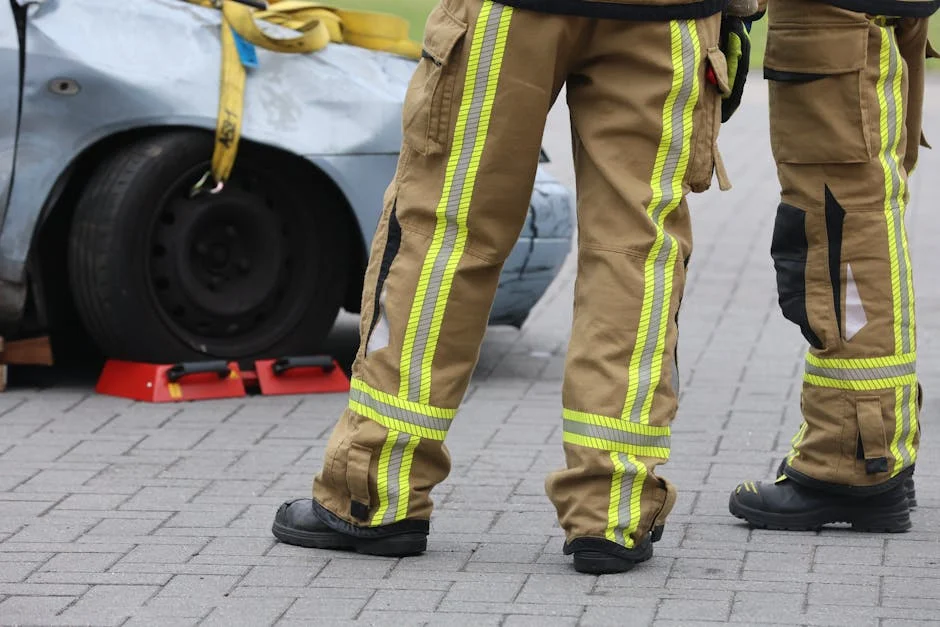
Local authorities have confirmed that no injuries were reported, but the financial loss for the affected shop owners is expected to be significant. The mall, a hub for small businesses catering to the local community, has been a vital part of the Springfield economy.
The Broader Economic Impact of the Blaze
The destruction of Springfield China Mall is not just a local tragedy; it reflects broader challenges facing Nigerian entrepreneurs. With many small businesses struggling to recover from the effects of the COVID-19 pandemic, the loss of such a key commercial space could hinder economic recovery efforts. Small enterprises are crucial for job creation and overall economic growth, aligning with the African development goals aimed at fostering sustainable livelihoods.
Moreover, the incident highlights a pressing need for improved fire safety standards in Nigeria. The current infrastructure often lacks the necessary equipment and protocols to adequately protect businesses and residents from such disasters. This incident may serve as a wake-up call for policymakers to prioritise investment in safety regulations and infrastructure improvements.
Fire Safety Regulations Under Scrutiny
The Springfield China Mall fire has reignited discussions around the enforcement of fire safety regulations in commercial buildings. Many business owners have expressed concerns regarding the lack of inspections and compliance checks, which could lead to catastrophic events like this.
Experts suggest that a comprehensive review of existing regulations is essential. Strengthening enforcement mechanisms and ensuring that businesses comply with fire safety standards can significantly reduce the risk of future incidents, protecting both lives and livelihoods.
Future of Springfield's Commercial Landscape
As the community begins to grapple with the aftermath of the fire, the future of the Springfield China Mall remains uncertain. Many affected shop owners are calling for government assistance to rebuild, while others are contemplating relocating their businesses. The loss of these shops could have a cascading effect on local employment and economic stability.
In the wake of this incident, there may also be opportunities for the government to foster resilience in the local economy by promoting fire safety education and training for business owners. Initiatives aimed at increasing awareness and preparedness can mitigate risks and prevent similar events in the future.
Looking Ahead: Key Considerations for Recovery
As investigations continue and recovery efforts begin, it is crucial for local authorities to engage with the community and business owners to devise a plan for rebuilding. This incident serves as a potent reminder of the challenges facing African enterprises, from infrastructure deficits to regulatory compliance. Addressing these challenges will be crucial in aligning with the continent's development goals and fostering a more resilient economy.
Ultimately, the fate of Springfield China Mall and its affected businesses will depend on collective action from authorities, entrepreneurs, and the community at large. It presents an opportunity to rethink how safety, infrastructure, and economic growth can be intertwined in the pursuit of sustainable development in Nigeria.