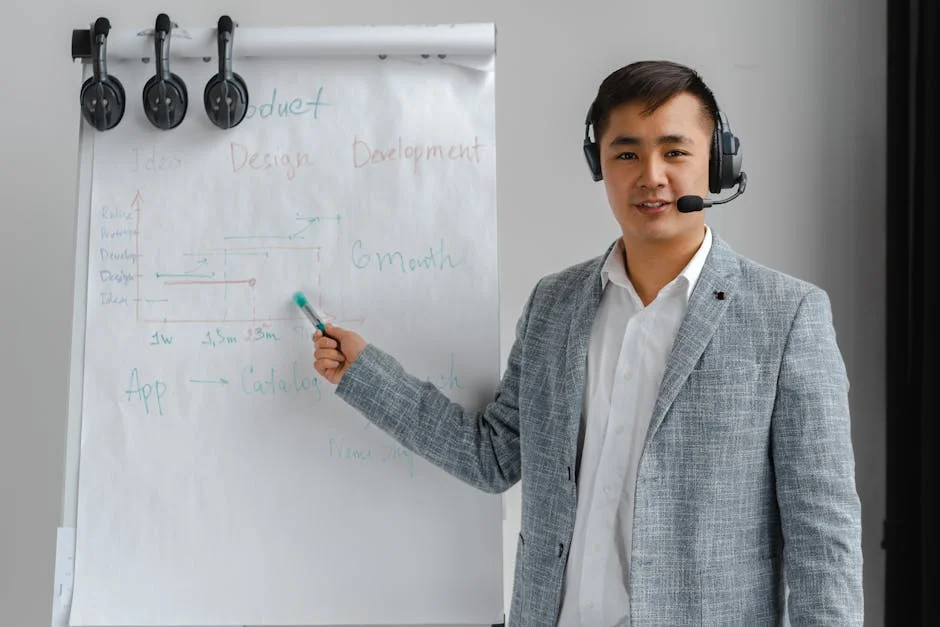
Lima Massano, Angola's Minister of Economy, praised the nation's economic resilience, stating that Angola has successfully navigated numerous challenges to achieve growth. Speaking at a recent conference, Massano highlighted an impressive trajectory in the country's Gross Domestic Product (Produto Interno Bruto), underlining the importance of sustainable economic strategies.
Angola's Economic Growth Despite Global Pressures
In a detailed presentation, Minister Massano noted that Angola's GDP has shown significant recovery, particularly after the economic downturn caused by the COVID-19 pandemic and fluctuating oil prices. According to recent statistics, Angola’s GDP grew by 3% in the last quarter, demonstrating a robust rebound that contrasts sharply with the struggles faced by many other economies globally. This growth is vital for the country, which relies heavily on oil exports for its economic stability.

The Role of the Estado in Economic Development
The Estado, or state, plays a crucial role in Angola's economic resurgence. Massano pointed out that effective governance and strategic state intervention have facilitated a conducive environment for business development and foreign investment. By prioritising infrastructure improvements and enhancing public services, the Estado is gradually transforming Angola's economic landscape, which is essential for meeting African development goals.
Challenges Ahead: Infrastructure and Health
Despite the positive economic indicators, Angola still faces substantial challenges, particularly in infrastructure and health sectors. The World Bank has reported that inadequate infrastructure is a significant bottleneck for economic growth in many African nations, including Angola. Improving transport networks and energy supply is vital for attracting more foreign investment. Additionally, the health sector requires urgent attention, as the pandemic has exposed vulnerabilities in public health systems, impacting productivity and overall economic performance.
Education as a Catalyst for Growth
Investing in education is another critical component of Angola's long-term development strategy. The government is working to improve educational outcomes, which are fundamental to equipping the workforce with the necessary skills to thrive in a modern economy. As Massano stated, "A well-educated populace is essential for sustaining economic growth and achieving our national goals." This focus on education aligns with broader African initiatives aimed at enhancing human capital across the continent.
What Lies Ahead for Angola's Economy?
The recent comments by Minister Massano indicate a growing optimism about Angola’s economic future, but challenges remain. Stakeholders should closely monitor Angola's progress in improving infrastructure, health, and education, as these factors will be decisive in determining the success of the nation’s long-term economic strategy. The international community and investors will be watching closely, as Angola's performance could serve as a model for other African nations striving for development amidst global economic uncertainties.