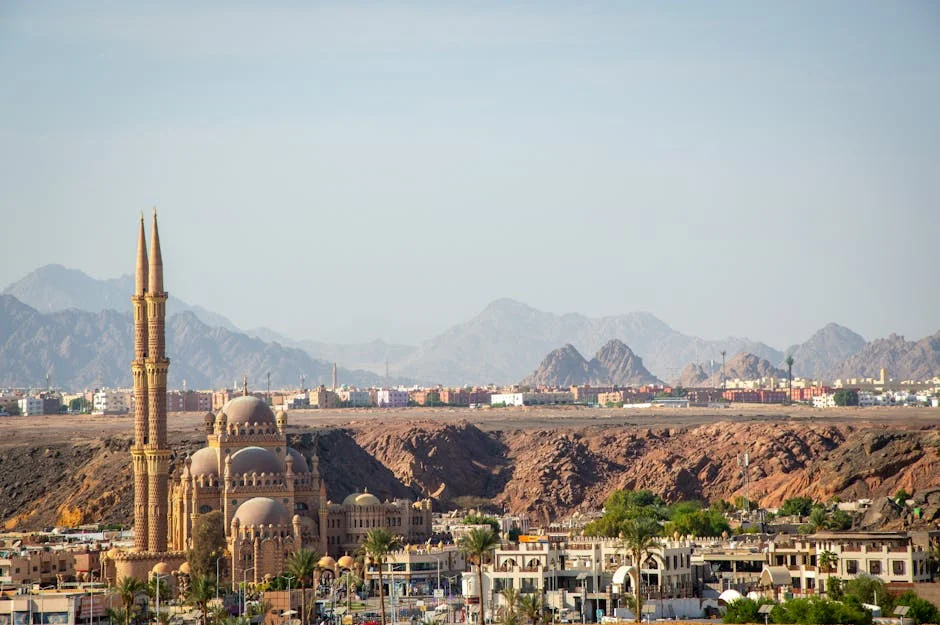
As the Middle East grapples with a significant airspace crisis, airlines have begun to cautiously resume limited flights, bringing a glimmer of hope to thousands of travellers stranded in various regions. The resumption comes after a period of uncertainty exacerbated by the COVID-19 pandemic, which had already severely impacted global travel.
Airlines Navigate Complex Airspace Challenges
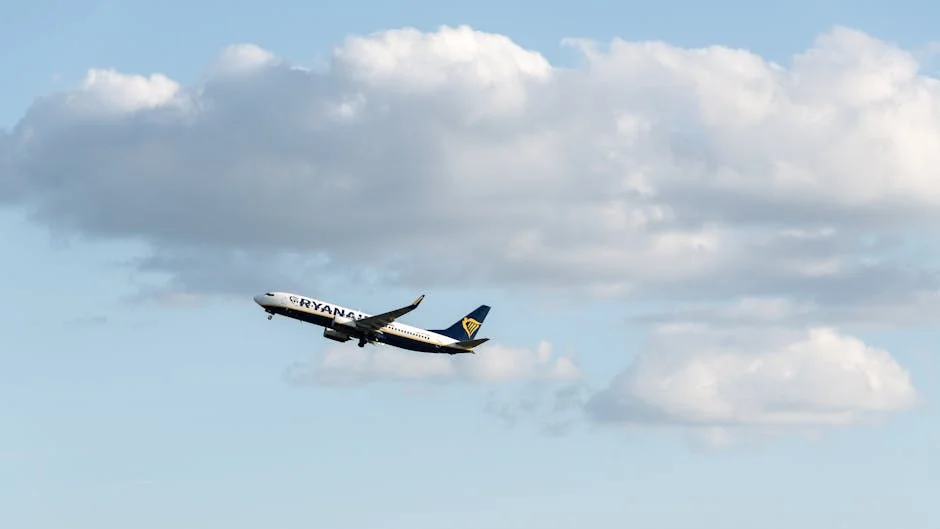
In recent days, several airlines have announced the resumption of select routes through the Middle East, a critical hub for both international and regional travel. Major carriers, including British Airways and Emirates, have begun flying limited schedules as tensions in the area appear to stabilise, albeit temporarily. As of this week, flights to and from key destinations such as Dubai and Istanbul have resumed, albeit under strict safety measures.
Impact on African Travel and Economic Growth
This cautious resumption of flights is particularly significant for African nations that rely heavily on air travel for tourism and trade. Countries like Nigeria, which have seen a surge in international connections in recent years, could benefit from improved access to Middle Eastern markets. The African tourism sector, battered by the pandemic, may find a much-needed lifeline as flights recommence. According to the African Union, the aviation sector is pivotal for achieving the continent's Agenda 2063, which emphasises inclusive and sustainable growth.
Thousands Stranded: The Human Face of the Crisis
Thousands of passengers have faced disruptions, with many trapped in limbo as airlines grounded flights to ensure safety. This situation highlights the broader implications of geopolitical tensions on air travel. “It’s been a nightmare,” said a Nigerian traveller stuck in Dubai. “It’s not just about getting home; it’s about the economic impacts of this disruption on families and businesses.”
COVID-19's Lingering Effects on Air Travel
The ongoing COVID-19 pandemic has left airlines vulnerable, with many struggling to regain pre-pandemic passenger levels. The resumption of flights may boost confidence among travellers, but airlines are proceeding with caution, adjusting capacities and schedules based on demand. The International Air Transport Association estimates it may take several years for air travel to return to full strength.
Looking Forward: Opportunities Amid Challenges
As the situation develops, it is crucial for African nations to leverage this moment to enhance their aviation infrastructure, ensuring they remain competitive in the global market. Investment in airports, safety protocols, and partnerships with international airlines could place African nations in a stronger position to attract tourists and business travellers alike. The crisis also presents an opportunity for African governments to reassess their travel policies and foster regional cooperation, which could mitigate the impacts of similar future crises.
While the resumption of flights offers a glimmer of hope, the situation remains fluid. Stakeholders in the aviation sector will need to adapt rapidly to ensure the safety and confidence of travellers, while also addressing the pressing economic challenges faced by nations across the continent. As airlines cautiously navigate these turbulent skies, the focus must remain on how to turn these challenges into opportunities for sustainable development and growth across Africa.