The United Nations has issued a stark warning that migratory animals are at a heightened risk of extinction due to climate change, habitat loss, and human activities. This alarming development, reported earlier this month, has significant implications for biodiversity and sustainable development across Africa.
Declining Populations of Key Species
According to the UN's latest report, certain species of migratory animals, including elephants, wildebeests, and various bird species, have seen their numbers dwindle alarmingly over the past few decades. The report highlights that over 60% of migratory species are experiencing decline, primarily due to changing climatic conditions and increased human encroachment on their habitats.
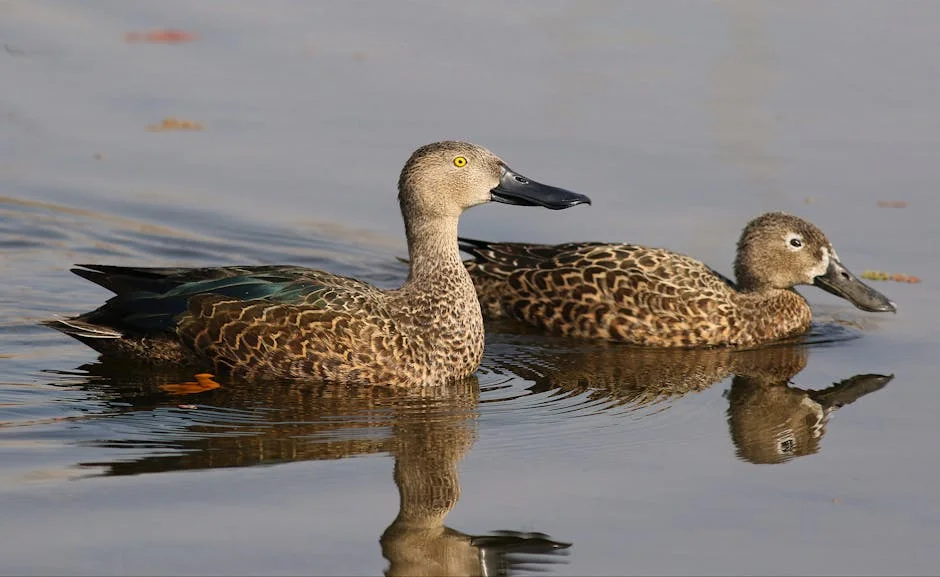
The African Context: A Continent in Crisis
This issue is particularly pressing in Africa, where the challenges of climate change, urbanisation, and land use are most acutely felt. For instance, the African Elephants, which play a crucial role in maintaining the ecological balance, are endangered primarily due to poaching and habitat destruction. The loss of these animals threatens not only biodiversity but also the livelihoods of communities that rely on healthy ecosystems.
Linking Animal Protection to Development Goals
The UN's warning ties directly into the African Union's Agenda 2063, which prioritises sustainable development and environmental protection. The decline of migratory animals undermines several African development goals, including those related to biodiversity, food security, and economic growth through tourism. Protecting migratory species is essential for maintaining healthy ecosystems that are vital for agriculture, forestry, and fisheries.
Opportunities for Change and Sustainable Practices
While the challenges are significant, there are also opportunities for African nations to enhance their conservation efforts. Initiatives aimed at sustainable land use, community-based conservation, and ecotourism can provide pathways to protect migratory animals while fostering economic growth. For example, countries like Kenya have successfully integrated wildlife conservation into their tourism strategies, generating income while preserving essential habitats.
Monitoring and Future Actions Required
As the situation evolves, close monitoring and proactive measures will be necessary to reverse the trends of animal decline. African governments, in collaboration with international organisations, must invest in research and data collection to better understand migratory patterns and the impacts of climate change. Engaging local communities in conservation efforts will also be crucial to ensure sustainable practices that benefit both people and wildlife.
In conclusion, the UN's warning about the extinction risk faced by migratory animals serves as a clarion call for African nations to strengthen their commitments to biodiversity and sustainable development. By addressing the root causes of animal decline, Africa can seize the opportunity to align its conservation efforts with broader development goals, thereby paving the way for a future that is both ecologically and economically sustainable.