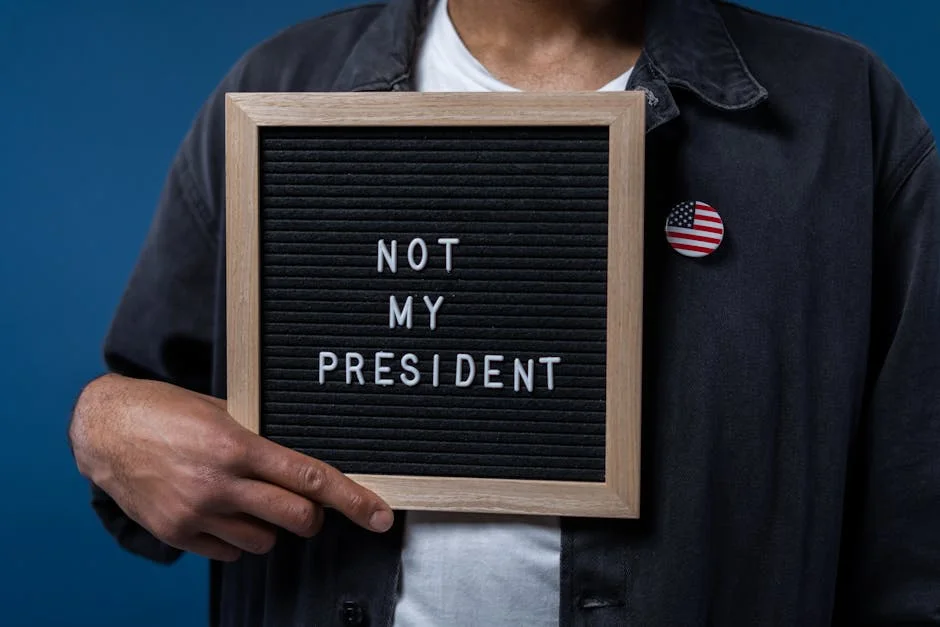
In a recent statement, UAE billionaire Khalaf Al Habtoor publicly questioned former President Donald Trump's authority in ordering military strikes against Iran. His comments, made during a press conference in Dubai, reflect growing concerns about the repercussions of Middle East politics on the Gulf region and beyond.
Khalaf Al Habtoor's Bold Remarks
At the heart of Al Habtoor's statement was a pointed challenge to Trump's actions, asking, "Who gave you authority to drag us into war?" This question resonates deeply in a region that has long been affected by external military interventions. Al Habtoor, a prominent businessman and influential figure in the UAE, has consistently advocated for peace in the Gulf, making his remarks particularly noteworthy.
Understanding the Context
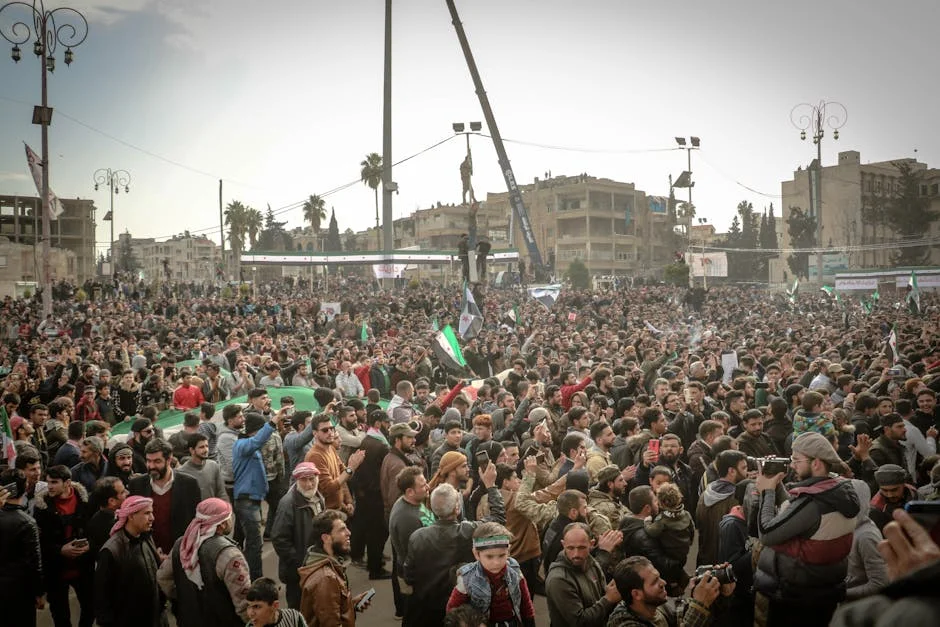
Al Habtoor's comments come amid heightened tensions between the United States and Iran. Following the US's decision to target Iranian military leaders and infrastructure, many in the Gulf have expressed apprehension about the potential for a broader conflict. The billionaire's remarks underscore the fine line that leaders in the Gulf must walk — balancing their relationships with the West while addressing the concerns of their own citizens who fear the consequences of war.
The Wider Impact on African Development Goals
The implications of Middle East politics extend beyond the Gulf, significantly impacting African nations, particularly those with strong ties to the region such as Nigeria. As Nigeria grapples with its own challenges, including economic growth and security, developments in the Middle East can influence oil prices and trade relations. For instance, Nigeria's economy is heavily reliant on oil exports, and any instability in the Gulf can ripple through to its financial markets and currency valuation.
Opportunities Amidst Challenges
Despite the challenges posed by regional conflicts, there are opportunities for African nations to engage with Middle Eastern economies. The growing interest of Gulf states in African infrastructure projects and development initiatives presents a unique opportunity for partnerships. Al Habtoor’s call for peace and stability could encourage greater investment in African countries, aligning with the continent's development goals, particularly in infrastructure and health.
What to Watch For Next
As the political landscape continues to evolve, stakeholders in Africa should monitor how these developments in the Middle East will influence their own governance and economic strategies. Al Habtoor’s statements may serve as a catalyst for African leaders to advocate for peace and collaboration with the Gulf, ensuring that the continent can navigate these turbulent waters while striving for sustainable development.