In a recent press conference, President Trump downplayed concerns over rising gas prices as tensions escalate between the US and Iran, declaring, 'If they rise, they rise.' His comments come in the wake of a potential conflict that has rattled oil markets globally, raising questions about the implications for countries reliant on oil imports, particularly in Africa.
Impact of US-Iran Tensions on Global Oil Markets
The ongoing strains between the US and Iran have led to fluctuations in oil prices, causing anxiety among nations that depend on stable fuel sources. As the White House navigates its foreign policy amidst these tensions, global markets have reacted with volatility. In recent weeks, crude oil prices have surged, reflecting fears of supply disruptions.

Nigeria's Vulnerability to Oil Price Fluctuations
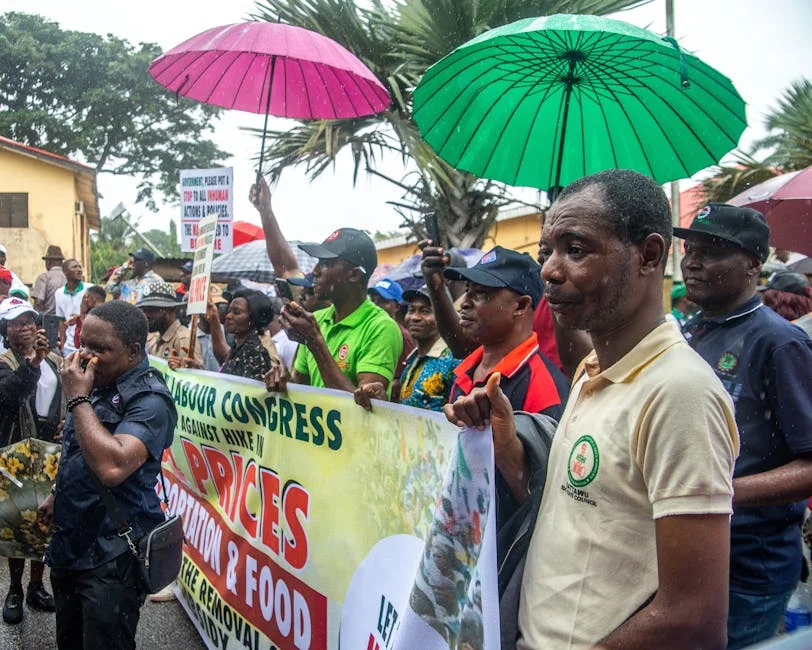
While the White House dismissed gas price fears, the reality is stark for Nigeria, Africa's largest oil producer. The country’s economy is heavily reliant on oil exports, which account for over 90% of its foreign exchange earnings. Rising oil prices could initially seem beneficial, yet they pose a significant risk given Nigeria’s ongoing economic challenges, including inflation and currency devaluation.
White House Analysis: How It Affects Nigeria
The White House analysis of the situation highlights a complex interplay between US foreign policy and global oil supply. As tensions with Iran escalate, Nigeria may find itself facing both opportunities and challenges. While higher oil prices could boost revenue in the short term, the threat of conflict in the Middle East could lead to a downturn in global demand if economies contract.
Broader Implications for African Development Goals
This situation underscores the importance of diversifying economies across Africa. As countries like Nigeria grapple with the implications of fluctuating oil prices, the focus must shift towards sustainable development goals that encompass health, education, infrastructure, and governance. The volatility of oil markets serves as a reminder that reliance on a single commodity can jeopardise national stability.
Future Outlook: What to Watch For
As the US-Iran conflict unfolds, Nigerian policymakers must closely monitor developments in the oil markets. The potential for rising oil prices may seem advantageous; however, the long-term implications could threaten economic growth if not managed wisely. Stakeholders should consider strategies to mitigate risks associated with oil dependency, focusing on increasing investment in infrastructure and education to broaden the economic base.