Nigeria has suspended all Christian pilgrimages to the Holy Land due to escalating tensions in the Middle East, particularly the recent conflict in Gaza. This decision, announced by the Ministry of Foreign Affairs on Monday, aims to protect Nigerian pilgrims from potential dangers associated with the ongoing violence. The cancellation underscores the broader implications for Nigeria's Christian population and raises questions about the impact on religious tourism and interfaith relations.
Why Nigeria's Decision Matters for Pilgrims
The Nigerian government’s decision was made amid rising violence in the Middle East, which has seen a significant uptick in hostilities, particularly affecting Christian sites in Israel and Palestine. The suspension is expected to affect thousands of Nigerian Christians who annually travel to the Holy Land as part of their faith's traditions.
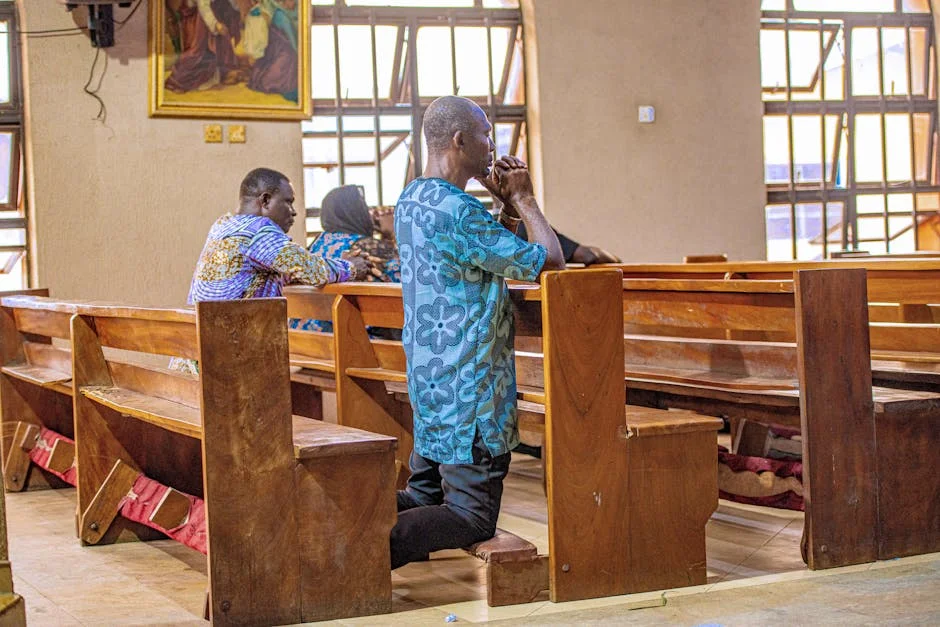
According to the Nigerian Christian Pilgrims Commission, approximately 60,000 pilgrims had planned to visit the Holy Land this year. The decision to halt these pilgrimages not only disrupts spiritual journeys but also poses economic challenges for local travel agencies and businesses reliant on religious tourism.
Continental Challenges: Safety and Security
Nigeria’s move highlights significant concerns regarding safety and security for citizens travelling abroad, especially to regions embroiled in conflict. As Nigeria grapples with its internal security challenges, including terrorism and banditry, the government’s prioritisation of citizen safety resonates with broader continental issues.
For many African nations, ensuring the safety of their citizens while also promoting religious tourism and cultural exchange is a delicate balance. The ongoing instability in the Middle East complicates this further, as countries like Nigeria must navigate political, security, and economic implications of global conflicts.
Opportunities for Local Spiritual Tourism
While the halt on pilgrimages may seem detrimental at first glance, this situation could present opportunities for local spiritual tourism within Nigeria. As the government focuses on ensuring safety, there is potential for promoting domestic pilgrimage sites, such as the Imo State's Maria Assumpta Cathedral or the Olumba Olumba Obu Church in Cross River State.
Encouraging domestic tourism can stimulate local economies, create jobs, and promote cultural heritage. This pivot may also strengthen community ties among Nigerian Christians who may otherwise travel abroad for spiritual fulfilment.
The Broader Impact on Nigeria's Development Goals
Nigeria's decision to halt pilgrimages connects to the nation’s broader development goals and the African Union's Agenda 2063, which seeks to foster peace, stability, and economic growth. By prioritising citizen safety amid international conflicts, Nigeria aligns itself with these goals, creating a foundation for sustainable development.
Furthermore, the situation highlights the interconnectedness of global events and local realities. The Middle East's conflicts affect not only regional stability but also influence economic relationships, governance, and even health outcomes in Nigeria and beyond.
What Comes Next for Nigerian Christians?
As the Middle East remains a focal point of global attention, Nigerian Christians face a challenging landscape ahead. The government’s commitment to safeguarding its citizens may lead to a re-evaluation of how religious pilgrimages are structured in the future.
For now, the halt on pilgrimages serves as a reminder of the complexities surrounding faith, safety, and international relations. As the situation evolves, it will be crucial for Nigerian leaders to monitor developments closely while ensuring their citizens can practice their faith without fear.