Argentinian football superstar Lionel Messi and his team, Inter Miami, were honoured at the White House on Tuesday after their historic victory in the Major League Soccer (MLS) Cup. This recognition not only celebrates their triumph but underscores the growing influence of football in connecting cultures and economies across continents.
Impact of Messi's Triumph on Global Football
The recognition of Inter Miami at the White House is a significant moment for Major League Soccer and the global football community. Messi's arrival in the MLS has not only elevated the league's profile but has also sparked interest in the sport among younger generations, particularly in regions like Africa, where football is a passion that transcends borders. This aligns with the continent's development goals of fostering youth engagement through sports.
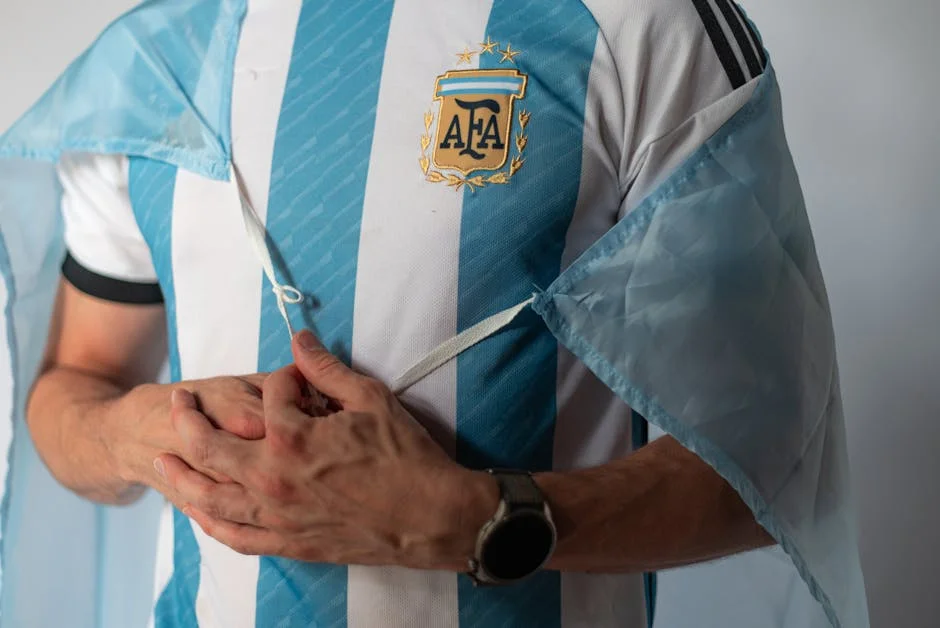
Why Argentinian Football Matters to Africa
Argentinian football is renowned for its rich history and talent, exemplified by players like Messi. The rising popularity of leagues such as MLS can create opportunities for African countries to engage in international football partnerships, which can aid in infrastructure development and talent scouting. For instance, as the Vancouver Whitecaps explained in a recent press conference, their investment in youth academies could serve as a model for similar initiatives across African nations, fostering local talent and improving educational outcomes through sports.
The Vancouver Whitecaps' Influence on Nigeria
The Vancouver Whitecaps have been making strides in promoting football not just in Canada, but globally. Their approach to integrating community and youth development can serve as a blueprint for Nigeria's burgeoning football scene. With Nigeria being one of Africa's football powerhouses, a partnership with teams like the Whitecaps could lead to enhanced training facilities and improved governance in sports, ultimately contributing to national economic growth.
Potential Collaborations: A Path Forward
Given the current landscape, there is a pressing opportunity for African nations to collaborate with international football clubs. This could involve knowledge exchange on governance and operational models which would not only enhance the standard of football but also address broader socio-economic challenges. Such collaborations can open up avenues for investment in infrastructure, health, and education, aligning with the African Union's Agenda 2063, which aims for a prosperous Africa based on inclusive growth.
Looking Ahead: The Future of Football in Africa
The honouring of Messi and Inter Miami at the White House is a reminder of the potential that football has as a vehicle for development. As African nations strive to meet their development goals, they must look towards innovative partnerships and investment in sports as a means to uplift communities and promote economic growth. The world will be watching to see how these connections unfold in the coming years.