Lewis Hamilton, the British Formula One star, has revealed his desire to compete in an African Grand Prix before he retires, highlighting the potential this holds for the continent's sporting and economic landscape. The announcement, made during the recent Melbourne Grand Prix, has sparked discussion about the significance of bringing high-profile international events to Africa and the opportunities they could create.
Africa's Race for Recognition
African nations have long sought to host prestigious sporting events, and Hamilton's aspirations could be a game-changer. Currently, Formula One has no African Grand Prix, despite the continent being rich in motorsport history and talent. Hamilton's involvement would not only elevate the profile of the sport in Africa but could also attract investment and tourism, vital for economic growth.
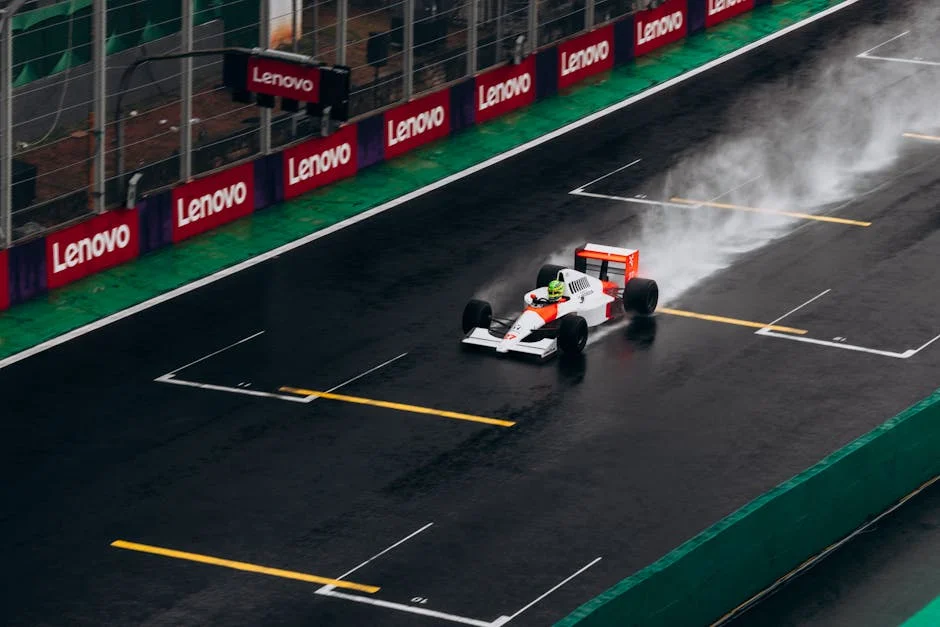
Sport as a Catalyst for Development
Sporting events have the potential to drive development in several areas, including infrastructure, health, and education. Hosting a Grand Prix would necessitate significant investment in roads, facilities, and public transport, aligning with broader African development goals. Countries like Nigeria, which are eager to boost their global image, could benefit immensely from the infrastructure improvements required for such an event.
The Economic Impact: More than Just a Race
The economic implications of holding a Grand Prix extend beyond immediate tourism revenue. A successful event could lead to job creation in hospitality, construction, and various service industries. It could also provide a platform for local businesses to showcase their products and services to an international audience. Hamilton’s involvement could further inspire young African racers, fostering local talent and engagement in motorsports.
Governance and Investment: Key Ingredients
For an African Grand Prix to materialise, strong governance and stable political environments are essential. This includes ensuring transparency in how investment is managed and how benefits are distributed among local communities. European nations often provide funding and expertise for such initiatives, emphasising the need for strategic partnerships that support sustainable development in Africa.
What’s Next for Hamilton and African Motorsport?
As Hamilton approaches the twilight of his career, his ambition to race in Africa could serve as a rallying point for African nations eager to showcase their potential on the global stage. The African Union has already recognised the importance of sports in developmental strategies, and Hamilton's vision aligns perfectly with this goal.
In conclusion, while the logistics of hosting a Grand Prix in Africa present challenges, the potential benefits—ranging from infrastructural development to economic growth—are substantial. As the dialogue continues, stakeholders across the continent must consider how to transform this vision into reality, potentially paving the way for a new era in African motorsport.