In a controversial move, Karnataka's Chief Minister Siddaramaiah has announced a ban on social media platforms for children under the age of 16, citing concerns over mental health and exposure to inappropriate content. The decision, revealed on October 29, 2023, aims to protect young users from potential online harms.
Concerns Over Children's Wellbeing
This ban comes amid growing global concerns about the impact of social media on the mental health of children and adolescents. Statistics indicate that excessive use of social media can lead to anxiety, depression, and a distorted self-image among young users. Parents in Karnataka are urged to monitor their children's activities online, with the government promising to provide resources for education on safe internet practices.
What Led to the Ban?
Chief Minister Siddaramaiah's decision is rooted in a wider context of increasing incidents of cyberbullying, addiction, and exposure to harmful content among youth. The Karnataka government has been closely analysing the implications of social media on children, leading to this legislative action. Officials cite studies showing that more than 50% of children in the state engage with social media, raising alarms about their safety and mental health.
A Pan-African Perspective on Child Safety
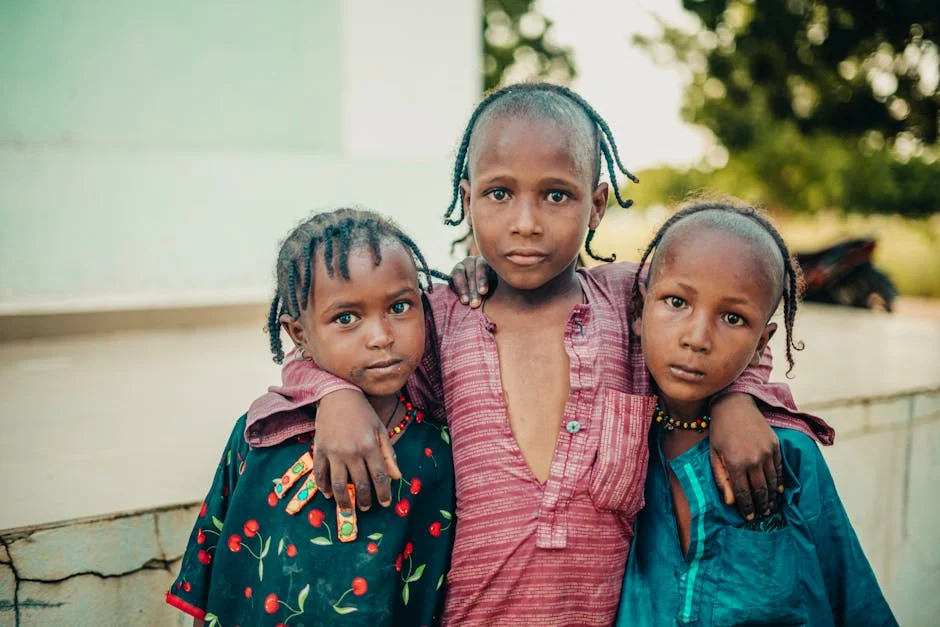
This development is not unique to Karnataka; it resonates with challenges faced across Africa, where children are increasingly becoming vulnerable to online dangers. Countries like Nigeria have also been grappling with the impact of technology on youth. As African nations strive to meet development goals focused on health, education, and governance, protecting children in the digital landscape must remain a priority.
Opportunities for Development and Governance
The ban brings forth an opportunity for dialogue around digital literacy and education in Africa. By fostering a culture of responsible online behaviour, African governments can enhance their commitment to the United Nations Sustainable Development Goals (SDGs). Specifically, SDG 4 emphasizes inclusive and equitable quality education, underscoring the importance of teaching children not only how to use technology but also how to navigate its potential dangers.
What’s Next for Karnataka's Children?
As the ban is implemented, it is crucial for parents to engage in conversations with their children about the responsible use of technology. They must also advocate for educational programs that promote online safety. The Karnataka government plans to roll out workshops and seminars aimed at equipping parents and children with necessary skills to mitigate risks associated with social media. This initiative could serve as a model for other African nations looking to address similar challenges.
The outcome of this ban will be closely watched not just in Karnataka but across the continent, where the balance between safeguarding children and facilitating their digital engagement continues to be a pressing concern. How other states respond to the implications of this legislation will be pivotal in shaping the future of child welfare policies across Africa.