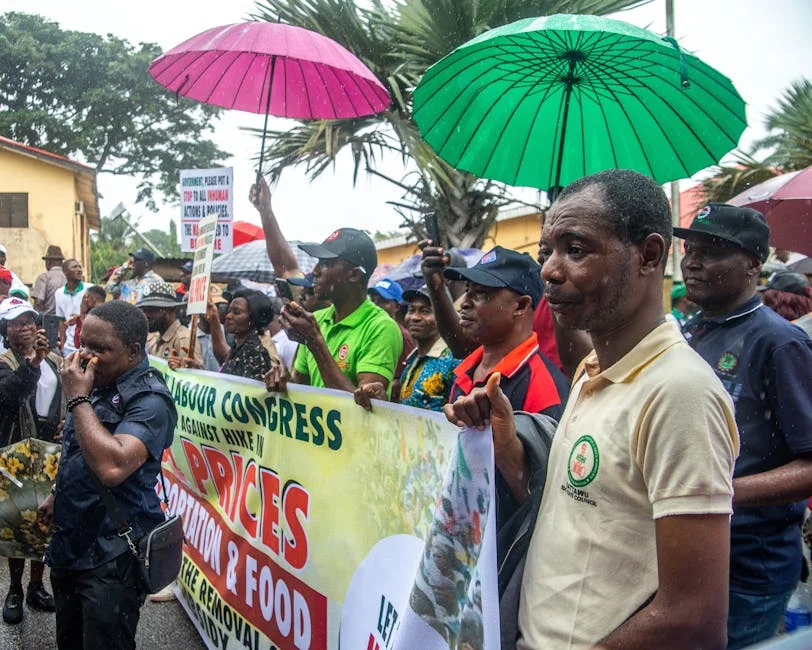
The recent escalation in tensions surrounding Iran has triggered a significant oil price shock, raising concerns about its potential impact on African economies. As Iran navigates complex geopolitical waters, the repercussions of rising oil prices could resonate across the continent, particularly affecting nations heavily reliant on oil imports and export dynamics.
Rising Oil Prices: A Direct Threat to African Growth
The situation escalated recently when the United States imposed new sanctions on Iran, causing crude oil prices to surge above $90 per barrel. This sudden increase is particularly alarming for African nations that rely on oil imports to fuel their economies and maintain essential services. For instance, countries like Nigeria and South Africa, which import significant amounts of crude oil, may find themselves grappling with increased costs that could stifle economic growth and exacerbate inflation.
Impact on Key Sectors: Health and Infrastructure
Higher oil prices do not merely threaten the economic stability of African nations; they also pose direct risks to critical sectors such as health and infrastructure. With rising fuel costs, transportation expenses escalate, impacting the distribution of medical supplies and essential goods. This situation is particularly concerning for countries that are already facing challenges in their healthcare systems. As resources become scarcer, the potential for public health crises increases, hindering progress towards the United Nations Sustainable Development Goals.
The Geopolitical Landscape: Africa's Position
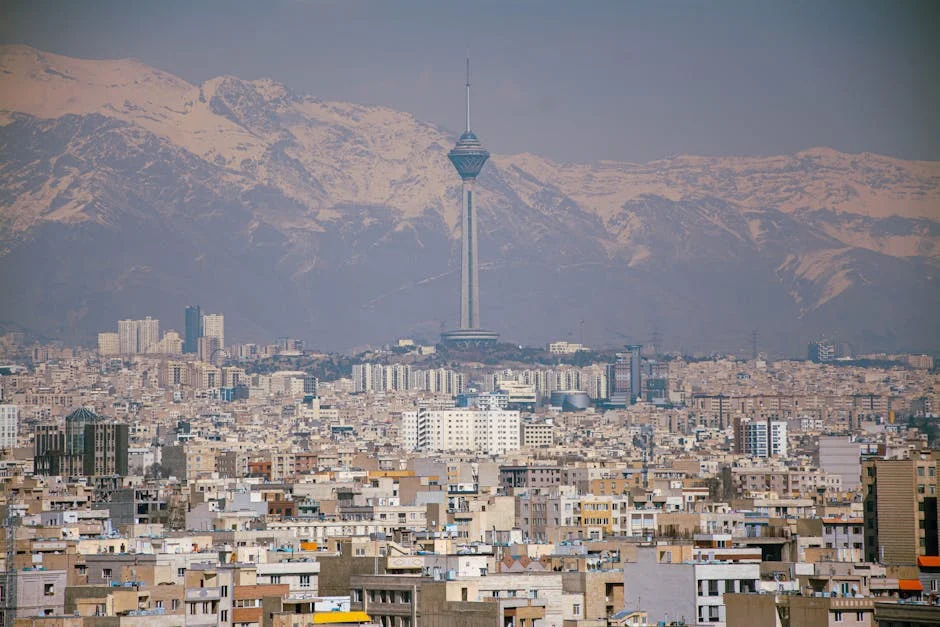
The Strait of Hormuz, a vital shipping lane for global oil, has become a focal point of international tensions, with Iran's strategic actions directly influencing oil supply chains. African countries must navigate this shifting landscape, balancing their energy needs with the geopolitical realities of the region. The developments in Iran are a reminder of the interconnectedness of global economies and the vulnerability of African nations in times of geopolitical strife. As the continent seeks to diversify its energy sources, the current crisis underscores the urgent need for investments in renewable energy projects.
Navigating Challenges: Opportunities for Resilience
While the rising oil prices present significant challenges, they also offer opportunities for African nations to reconsider their energy strategies. Countries such as Kenya and Ethiopia are making strides in renewable energy, showcasing how investment in sustainable infrastructure can lead to economic resilience. As the continent grapples with the immediate impacts of the Iran developments, there is a pressing need for a collective approach that prioritises energy independence and diversification.
What Lies Ahead: Monitoring the Situation
The ramifications of the current oil price shock will likely unfold in the coming months, and African leaders must remain vigilant as they strategise for economic stability. Key stakeholders, including governments and businesses, should closely monitor the situation in Iran and its effects on global oil markets. The increased costs may lead to inflationary pressures that could affect consumer spending and overall economic stability. Ultimately, how African nations respond to this crisis could shape their developmental trajectories and influence regional cooperation.