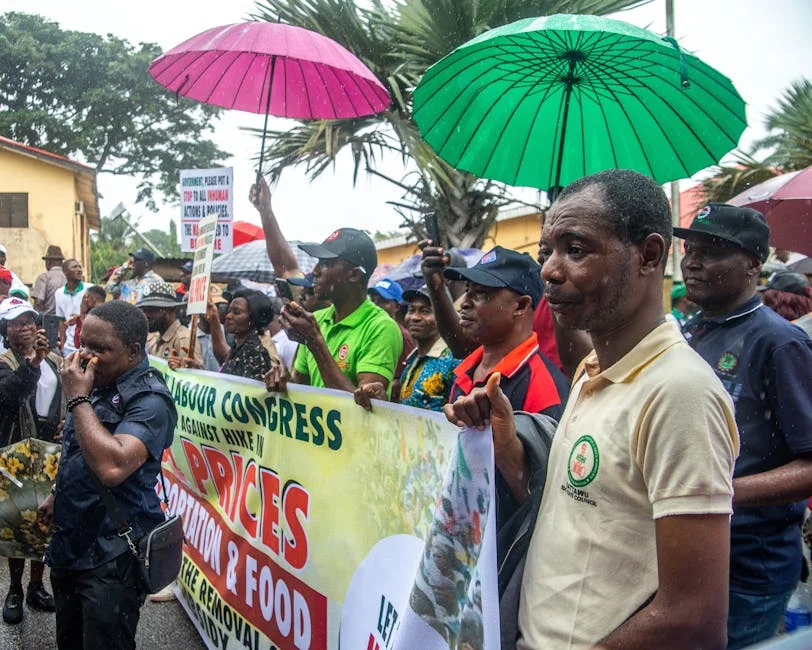
In a show of solidarity, the Global South has condemned the escalating US-Israeli military operations against Iran, citing imperialist undertones and potential ramifications for African nations. This condemnation arises amidst rising tensions in the Middle East, which many believe could reverberate across continents, influencing development strategies, economic growth, and governance in Africa.
International Responses to Middle Eastern Conflicts
The recent conflict has seen various nations in the Global South, including China, openly criticising the United States and its allies for what they perceive as aggressive military interventions in Iran. China's stance, in particular, underscores its increasing role in global politics as it advocates for diplomatic resolutions over militaristic approaches. This shift in international relations highlights the need for African nations to navigate their own strategies amidst these dynamics.
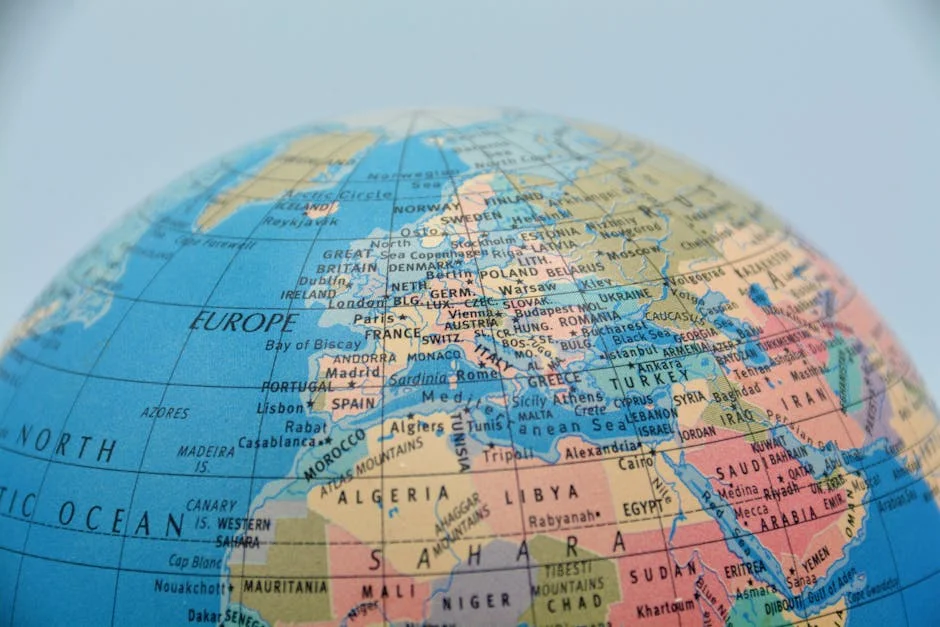
Why Middle East Matters for Africa
The Middle East's geopolitical landscape has direct implications for Africa. Countries such as Nigeria, heavily reliant on oil exports, are acutely aware of how instability in oil-rich regions can affect global oil prices. Recent reports indicate that fluctuations in oil prices could lead to significant economic challenges for Nigeria, a country already grappling with inflation and currency devaluation. Understanding the Middle East's influence is crucial for African leaders as they plan sustainable development initiatives.
Implications for African Development Goals
African nations have set ambitious development goals aimed at improving infrastructure, health, education, and governance. However, ongoing conflicts in the Middle East could divert attention and resources away from these objectives. The African Union's Agenda 2063 aims for a prosperous and integrated continent, but external conflicts may hinder progress. The Global South's condemnation of imperialism sheds light on the urgency for African countries to assert their sovereignty and prioritise internal growth over external geopolitical pressures.
Potential Economic Growth Opportunities
Despite the challenges posed by Middle Eastern conflicts, opportunities for economic growth and cooperation exist. African nations can leverage their natural resources and strategic geographic positions to attract investment from countries in the Global South, including China. As the world increasingly turns towards alternative energy sources, Africa's vast mineral wealth could play a pivotal role in the transition towards sustainable energy solutions. This presents an opportunity for African governments to foster partnerships that prioritise their developmental needs while contributing to global energy solutions.
What to Watch for Next
As the situation in the Middle East evolves, African leaders must stay vigilant. The Global South's unified stance against imperialism may inspire similar movements within Africa, pushing for greater self-determination and regional cooperation. Future politics updates from the region will be crucial in determining how these dynamics will unfold and what ramifications they may have for Nigerian development and governance.