Ethiopia's government has issued stark warnings of a potential return to conflict in the Tigray region, raising alarms about stability in the Horn of Africa. This situation threatens to unravel the fragile peace established in late 2022, and could have far-reaching implications not just for Ethiopia, but for regional development across Africa.
Military Movements Raise Concerns
Reports have emerged that both the Ethiopian National Defence Force and Tigrayan fighters have begun mobilising troops in preparation for possible hostilities. The situation escalated on October 15, 2023, when the government accused the Tigray People's Liberation Front (TPLF) of violating the peace agreement by attacking military positions. This alarming development has triggered fears of renewed violence in a region that has already suffered immensely from a brutal civil war that lasted for over two years.
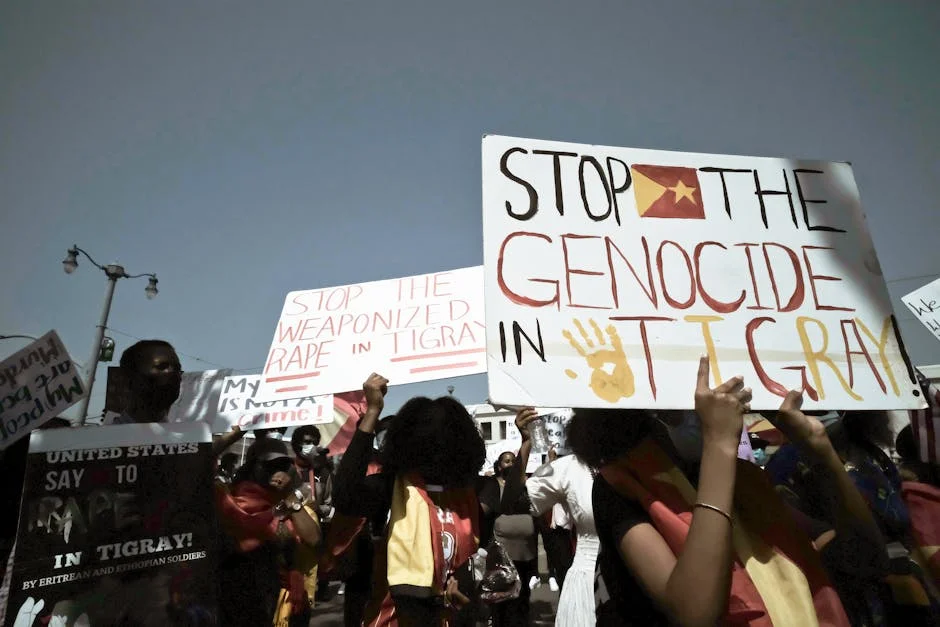
Historical Context of Tigray Conflict
The Tigray conflict has its roots in long-standing political tensions and ethnic divisions within Ethiopia. The civil war, which erupted in November 2020, resulted in widespread atrocities and a humanitarian crisis affecting millions. The subsequent peace deal brokered in late 2022 was viewed as a hopeful turning point; however, recent military movements indicate that the underlying issues remain unresolved. As tensions rise, the international community is closely monitoring the situation, emphasising the importance of dialogue over conflict.
Potential Impact on African Development Goals
The resurgence of violence in Tigray poses a significant threat to African development goals, particularly in health, education, and infrastructure. The region has seen a substantial decline in humanitarian access, with millions still displaced and in need of support. Instability in Ethiopia could hinder the progress of the African Union's Agenda 2063, which aims for inclusive growth and sustainable development across the continent. Development initiatives in neighbouring countries, including Nigeria, could also be adversely affected, with potential ramifications for economic growth and governance.
The Broader Continental Challenges
Ethiopia's instability brings to light broader continental challenges, such as governance and regional security. The African Union has been striving to address conflicts and foster peace, yet the situation in Tigray illustrates the difficulties in achieving lasting resolutions. The recent developments also serve as a reminder of how interconnected African nations are; instability in one country can lead to economic and social repercussions in neighbouring states, including Nigeria, which relies on regional stability for its own development.
What’s Next for Ethiopia and the Region?
As Ethiopia navigates this precarious situation, observers are urging all parties to prioritise peace and dialogue. The ramifications of renewed conflict could be severe, not only for Ethiopia but also for the entire Horn of Africa. Stakeholders must remain engaged and proactive in seeking solutions that address the root causes of the conflict. The international community's role will be crucial in supporting efforts to maintain peace and fostering an environment conducive to development. The coming weeks will be critical in determining whether Ethiopia can avert a return to war, or if the region will once again be plunged into chaos.