As the conflict escalates between Israel and Iran, major UAE airlines Emirates and Etihad have announced their policies regarding refunds and rebooking for affected flights. The situation, which has raised safety concerns, continues to evolve, impacting travel plans for many.
Etihad Developments Explained: Refunds and Rebookings
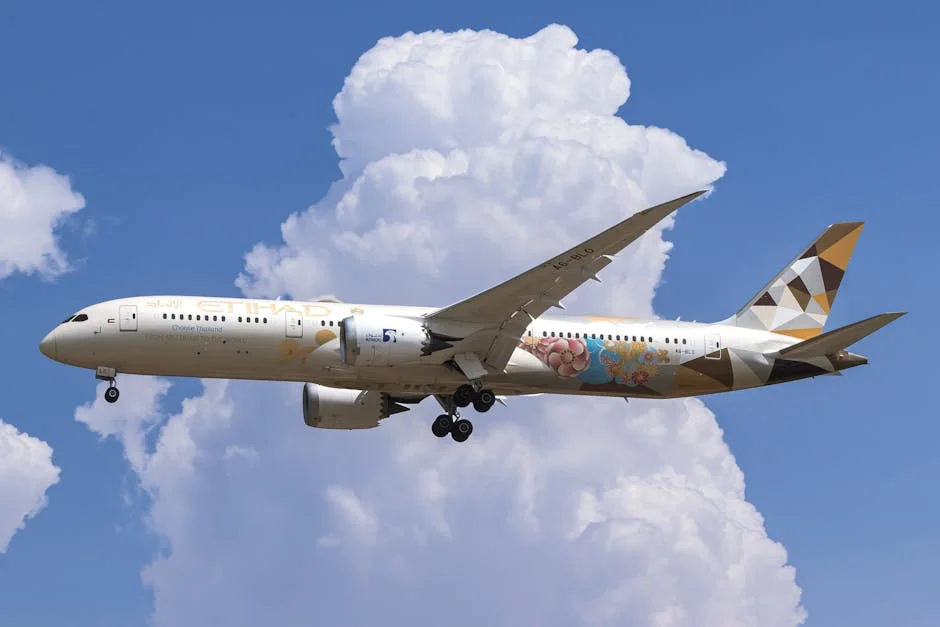
In light of the current turmoil, Etihad has detailed its procedures for travellers seeking refunds or rebooking options for flights to Iran and surrounding areas. Customers can claim a full refund on flights affected by the conflict, provided they booked directly through the airline. For those with tickets purchased via third-party platforms, the process may differ slightly. Etihad's customer service is inundated with queries, but they are assuring passengers that they are prioritising refunds and rebooking requests.
Emirates Responds to Travel Concerns
Similarly, Emirates has confirmed that it is offering free rebooking options for customers whose flights have been disrupted due to the ongoing conflict. In a statement, an Emirates spokesperson highlighted that they are committed to ensuring passenger safety and providing flexible options during these uncertain times. This move aligns with broader efforts to uphold customer service standards while navigating regional instability.
The Broader Context: Implications for African Development
The ongoing tensions in the Middle East, particularly in Iran, have far-reaching implications for African nations, especially those dependent on trade and tourism in the region. Increased instability could hinder economic growth and infrastructure development plans that many African countries have in place. Additionally, as countries in Africa strive to meet development goals, disruptions in international travel can impede educational exchanges and healthcare programs that often rely on cooperation with Middle Eastern partners.
How Nigeria is Affected: Travel and Trade Risks
Nigeria, as one of Africa's largest economies, faces potential setbacks due to the conflict. The current situation could affect trade routes and travel connections to the Middle East, which is critical for Nigerian businesses and the diaspora. As safety becomes a paramount concern, the government may need to reassess travel advisories and support for its citizens abroad, particularly students and workers in the UAE.
What to Watch: Future Developments in the Middle East
As the situation in the Middle East evolves, passengers must stay informed about their travel options. Airlines like Etihad and Emirates are expected to continue adapting their policies in response to ongoing developments. For Nigerian travellers and businesses, the key will be to monitor the situation closely and prepare for any potential disruptions in travel and trade.