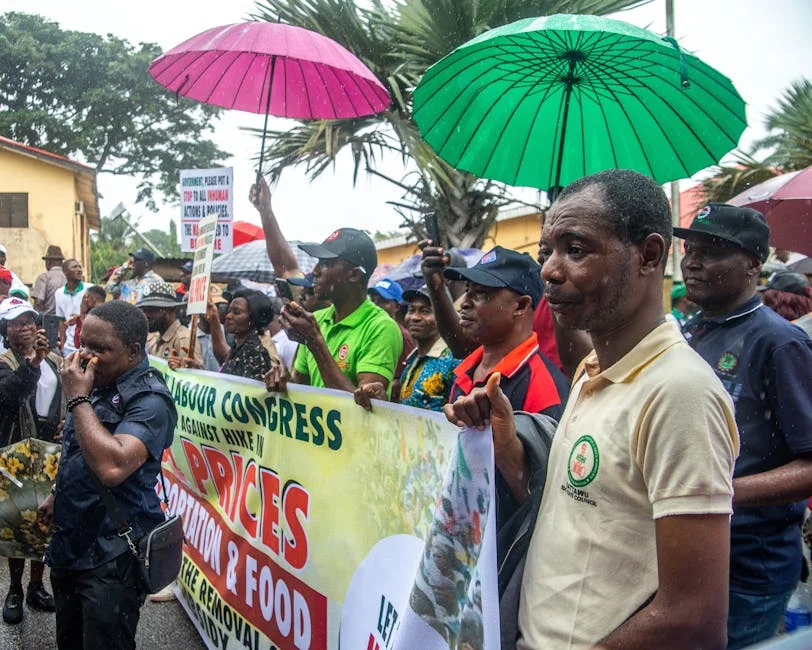
Egypt is on the brink of an economic collapse as President Abdel Fattah Sisi declared a state of near-emergency on Thursday. The escalating conflict in the Middle East is exacerbating existing economic challenges, prompting fears over inflation and social unrest across the nation.
Economic Indicators Signal Distress
In recent weeks, Egypt has seen its currency depreciate significantly, with the Egyptian pound losing nearly 20% of its value against the dollar. Inflation rates are projected to soar, with predictions of reaching as high as 30% by the end of the year. This economic turmoil is attributed to both global factors, such as rising oil prices, and local issues, including ongoing political instability.
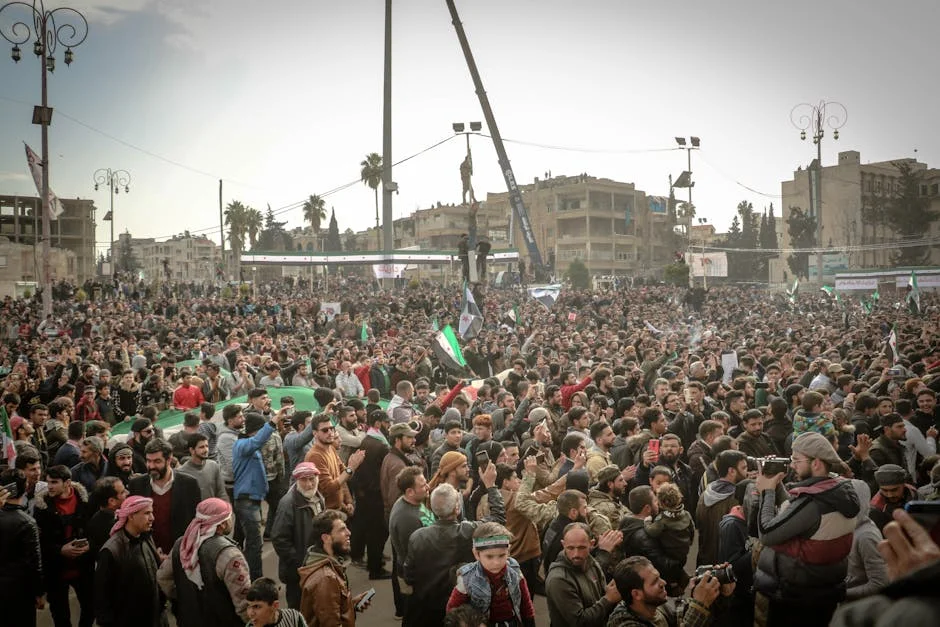
How the Crisis Affects African Development Goals
This situation in Egypt is particularly concerning for the African continent as it directly impacts various African development goals. The disruption in Egypt’s economy could hinder regional trade, particularly affecting countries like Nigeria that rely on imports of Egyptian goods. As Egypt is a key player in North African trade, instability here could lead to a ripple effect across the continent.
Egypt's Role in Regional Stability
Egypt’s strategic position in the Middle East makes it a pivotal player in regional diplomacy and trade. The conflict and consequent economic instability could undermine efforts to solidify peace initiatives, which are critical for maintaining stability in the region. As the Middle East matters significantly to Africa's geopolitical landscape, the implications for Nigeria are profound, given their shared interests in trade and security.
Potential Consequences for Nigeria
The ongoing situation may strain Nigeria’s economy, especially as it navigates its own challenges of inflation and currency devaluation. Should Egypt's economic conditions worsen, Nigeria may face difficulties in securing essential imports, including agricultural products and textiles, which are vital for its economy. Additionally, any rise in conflict could lead to increased migration pressures, further complicating Nigeria's socio-economic landscape.
Looking Ahead: What to Watch For
As Egypt grapples with these challenges, the international community is urged to monitor the situation closely. The potential for civil unrest is high, and the government’s response may have significant repercussions. Observers should keep an eye on how this crisis affects regional cooperation and economic partnerships, particularly between Egypt and its African neighbours. The next steps taken by President Sisi's administration will be crucial in determining not only Egypt's future but also the broader implications for African development goals.