The Nigerian Ministry of Education has mandated all colleges and schools to implement stringent safety norms following a series of incidents that raised concerns about student welfare. This directive, announced on October 10, 2023, aims to ensure a safer learning environment across the nation.
Recent Incidents Prompt Urgent Action
In recent months, various educational institutions in Nigeria have reported troubling incidents, including accidents and safety violations that endangered students. The Ministry's directive comes in response to these events, signalling a commitment to safeguarding the educational environment amidst growing concerns.
What the New Safety Norms Entail
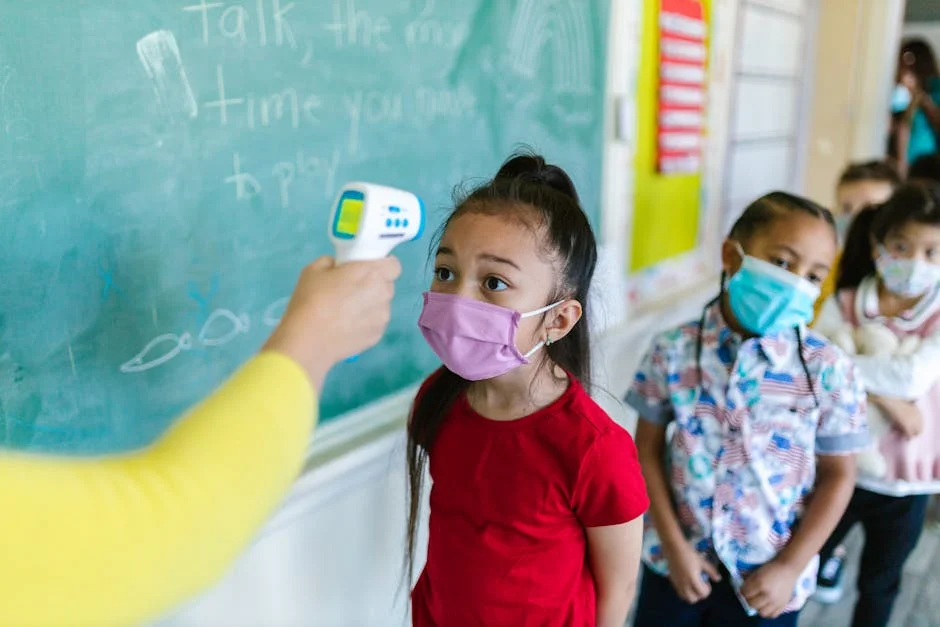
The new regulations require schools to conduct thorough risk assessments, improve infrastructure, and provide adequate training for staff on safety procedures. Specific guidelines include regular safety drills, maintenance of facilities, and the establishment of emergency response teams to address any potential crises promptly.
Implications for African Development Goals
This directive aligns with broader African development goals, particularly those focused on quality education and safe learning environments. By enforcing safety norms, Nigeria is taking a proactive approach to ensure that students can learn without fear, which is essential for educational attainment and overall development.
Challenges Ahead: Implementation and Compliance
While the directive is commendable, challenges remain in its implementation. Many schools, particularly in rural areas, may struggle with limited resources to meet the new standards. This raises questions about how the government will support these institutions in aligning with the new norms, especially in the context of ongoing economic difficulties affecting many Nigerians.
Opportunities for Growth and Improvement
However, this situation also presents an opportunity for collaboration between the government, non-governmental organisations, and private sector stakeholders. By investing in educational infrastructure and safety measures, Nigeria can enhance its educational landscape, ultimately contributing to economic growth and stability. Improved safety in schools may also encourage higher enrolment rates and retention, which are critical for national development.
What to Watch For Next
As schools begin to implement these safety norms, stakeholders must monitor their effectiveness and compliance. The government's next steps in providing support to schools and ensuring accountability will be crucial in determining the success of this initiative. Parents and guardians should also stay informed about how these changes impact their children's education and safety in schools.