As global power dynamics shift, African nations are increasingly asserting their need for representation in international decision-making forums. Recent discussions at the United Nations General Assembly have highlighted Africa's call for a stronger voice in addressing global challenges and opportunities that directly impact the continent.
Africa's Growing Influence on the World Stage
In recent years, Africa has emerged as a key player in global politics, driven by its rich natural resources and youthful population. Countries like Nigeria and South Africa are leading the charge, advocating for greater inclusivity in discussions about climate change, trade, and security. The recent UN assembly underscored this sentiment, with several leaders demanding equitable representation for Africa in organisations like the G20 and the United Nations Security Council.

The Implications of Global Policies on African Development
The importance of African representation in global politics cannot be overstated. As many African countries strive to achieve the United Nations Sustainable Development Goals (SDGs), decisions made in these international forums can significantly influence their development trajectories. The lack of a robust African voice in these discussions often leads to policies that may not align with the continent's unique challenges, such as infrastructure deficits, health crises, and educational shortcomings.
Continental Challenges and Opportunities
Africa faces numerous challenges, including economic instability, governance issues, and health crises exacerbated by the COVID-19 pandemic. However, the continent also possesses immense opportunities, particularly in sectors like renewable energy, technology, and agriculture. By securing a more substantial role in global decision-making, African nations can ensure that their interests are prioritized, paving the way for sustainable economic growth and improved governance.
Voices from the Ground: Perspectives on Representation
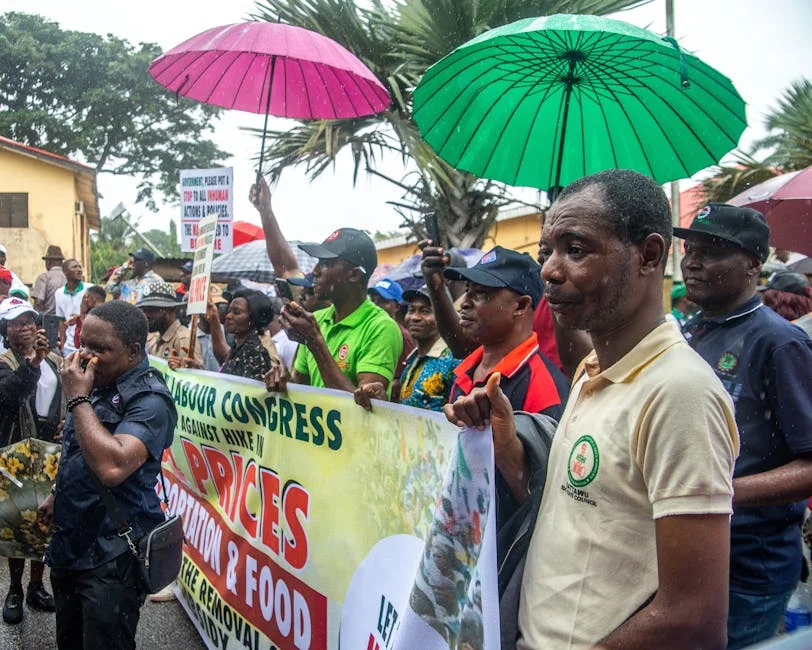
In the wake of these discussions, local leaders and citizens have expressed mixed feelings about Africa's representation on the global stage. While many support a stronger African voice in international affairs, they also emphasise the need for accountability and transparency among their governments. As citizens call for better governance, the pressure is on African leaders to ensure that their advocacy aligns with the aspirations of their populations.
What Comes Next for Africa's Global Positioning?
As Africa continues to assert its place in the world, the continent's leaders must navigate the complex interplay of global politics while addressing pressing domestic issues. The upcoming African Union summit will likely serve as a critical platform for discussing strategies to enhance Africa's influence on the world stage. Observers will be keen to see how African nations leverage their collective power to advocate for policies that benefit their development goals and address the continent's ongoing challenges.