In a provocative statement, President Donald Trump has encouraged Iranian Kurds to take an offensive stance against the Iranian government amid escalating tensions in the region. This announcement coincides with warnings from the Islamic Revolutionary Guard Corps (IRGC), urging neighbouring countries not to provide shelter to Americans involved in the conflict.
US Support for Iranian Kurds Raises Regional Tensions
During a recent press briefing, President Trump highlighted the plight of Iranian Kurds, urging them to rise against Tehran's oppressive regime. This support reflects a broader strategy by the US to influence the dynamics in the Middle East, particularly as Iranian Kurds have historically sought autonomy and better governance.
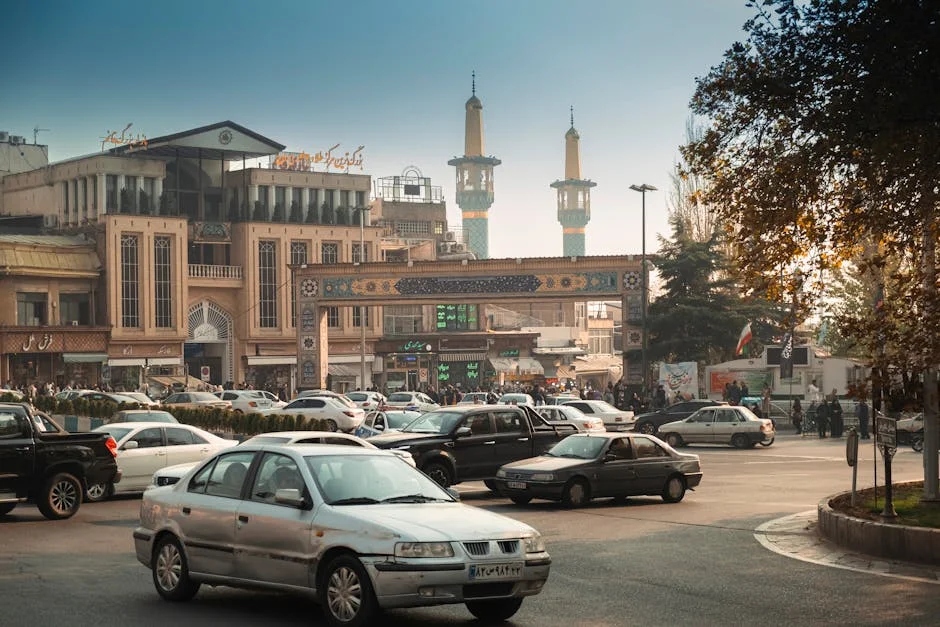
The IRGC's counteraction, warning regional neighbours against harbouring Americans, signals a tightening grip on regional stability. This rhetoric not only escalates tensions between Iran and the US but also poses significant risks for surrounding nations, especially those with vested interests in maintaining peace.
How the Conflict Impacts African Development Goals
The ramifications of the Iranian conflict reach beyond the Middle East, especially impacting African nations that must navigate their own governance and stability challenges. The potential for increased Iranian influence in Africa, especially through proxy groups, raises concerns for African development goals, including economic growth, infrastructure development, and health initiatives.
As countries across Africa grapple with economic hurdles, the geopolitical tug-of-war could divert attention and resources from critical development projects. For instance, nations like Nigeria, already facing issues with governance and regional security, could find themselves entangled in the repercussions of Iranian actions or alliances.
Regional Security in Africa: The Ripple Effects of Middle Eastern Conflicts
With Iran's growing assertiveness, African nations must remain vigilant. The potential for Iranian Kurds to receive backing from external powers like the US could embolden similar movements across Africa, where groups advocating for autonomy and rights are often met with harsh governmental responses. This could lead to increased instability, further complicating efforts to achieve the African Union's Agenda 2063, which aims for a peaceful and prosperous Africa.
Moreover, the possibility of Iranian involvement in African conflicts could exacerbate existing tensions, posing challenges to health and education initiatives that rely on stable environments. Countries already burdened by economic strife may find their growth hindered by the fallout from regional disputes.
Economic Growth: A Double-Edged Sword
The current situation also sends mixed signals to investors in Africa. On one hand, US support for opposition groups in Iran might lead to increased American involvement in the region, which can be perceived as a stabilising force. On the other hand, if conflicts escalate, they could deter foreign investment in Africa, slowing economic growth when it is needed most.
For Nigeria, an understanding of these dynamics is crucial. The country must assess how Iranian Kurds' actions and US responses could influence its own geopolitical standing and economic partnerships. As African nations strive to achieve their development goals, the interconnectedness of global politics cannot be overlooked.
What’s Next for African Nations Amidst Global Turmoil?
As the situation unfolds, African nations need to approach their foreign policy and internal governance with caution. The effects of international conflicts, particularly those involving powers like the US and Iran, could reshape alliances and disrupt developmental progress.
In summary, while the US's encouragement of Iranian Kurds may seem distant from African shores, the implications for governance, economic growth, and regional security are profound. Stakeholders must stay alert and responsive to these developments, ensuring that Africa's path towards development remains resilient amidst global challenges.