The South African Weather Service has issued a severe thunderstorm warning for Gauteng and surrounding provinces, including Limpopo and Mpumalanga, expected to last throughout the day. This warning, issued on October 25, 2023, highlights the increasing intensity of weather patterns in the region and raises concerns about infrastructure resilience and public safety.
Impact on Local Infrastructure and Economy
The thunderstorms forecast for Gauteng, one of South Africa's economic powerhouses, pose significant risks to local infrastructure. With heavy rainfall and strong winds anticipated, potential flooding could disrupt transport networks, power supplies, and essential services. Gauteng, being a hub for business and commerce, relies heavily on its infrastructure to sustain economic growth and attract investment.
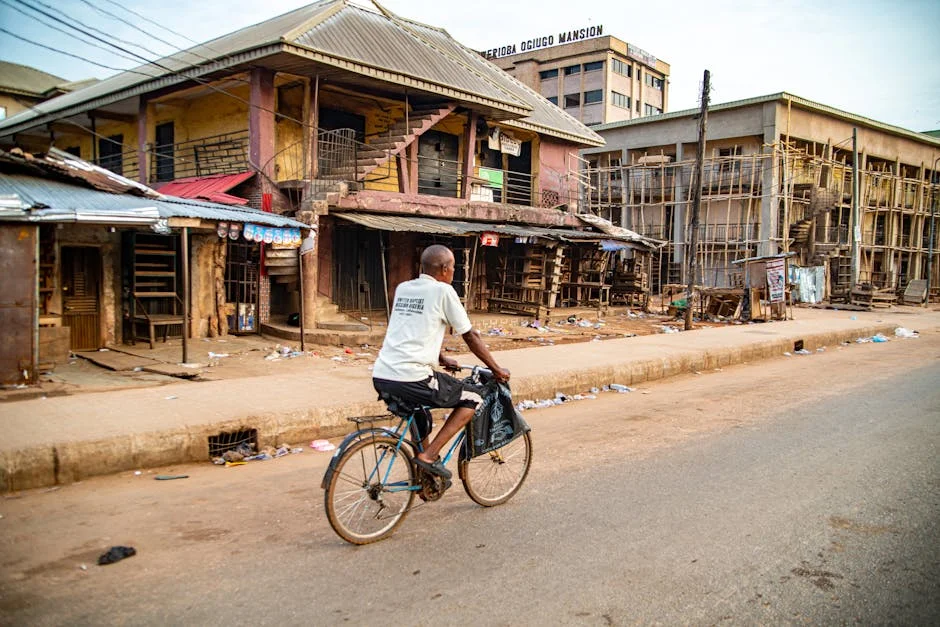
In recent years, South Africa's government has been working towards improving infrastructure resilience as part of its broader development goals. The severe weather patterns, exacerbated by climate change, present a formidable challenge that could hinder progress in these areas. If infrastructure suffers damage, it may lead to costly repairs and long-term economic setbacks, directly affecting the livelihoods of thousands.
Health Risks Amid Severe Weather Conditions
As the severe thunderstorms approach, concerns about public health also loom large. Heavy rainfall can lead to waterlogging and increase the risk of waterborne diseases, especially in vulnerable communities. With the ongoing efforts to improve healthcare access and address disease outbreaks in South Africa, these weather conditions could strain health systems already under pressure.
Furthermore, the threat of accidents due to severe weather can strain emergency services. The South African government has previously highlighted the need for enhanced emergency preparedness as part of its national disaster management strategy. The current warnings serve as a reminder of the importance of investing in health infrastructure and emergency response capabilities.
Regional Responses to Climate Challenges
In light of these developments, Gauteng's response to the severe thunderstorm warning illustrates a broader trend within African nations to adapt to climate challenges. Various African governments, including Nigeria, have been grappling with issues related to severe weather, which often disrupt agricultural activities and threaten food security. The increasing frequency of extreme weather events compels nations to rethink their development strategies.
For example, Nigeria's recent initiatives to enhance agricultural resilience and infrastructure investment can draw lessons from Gauteng’s approach. As severe weather continues to affect agricultural output across the continent, regional cooperation and knowledge-sharing become crucial for effective responses to climatic challenges.
Looking Ahead: Precautions and Future Planning
In response to the severe weather warning, local authorities in Gauteng are urged to take precautionary measures, including monitoring flood-prone areas and ensuring that emergency services are prepared. As these thunderstorms approach, residents are also advised to stay informed and heed safety guidelines provided by authorities.
As the situation unfolds, it is vital for stakeholders across Africa to consider the implications of such severe weather on development goals. The ability to adapt to climate challenges, enhance infrastructure resilience, and improve public health systems will be pivotal for sustainable growth in the continent. Observers should watch closely as Gauteng navigates this weather event, as it could provide insights into how similar regions might prepare for and respond to future climatic threats.