In a tragic incident in Belo Horizonte, Brazil, rescuers are urgently searching for survivors following the collapse of a nursing home in Minas Gerais on Tuesday. The disaster has raised alarms about building safety standards and emergency preparedness in the region.
Details of the Collapse: What We Know
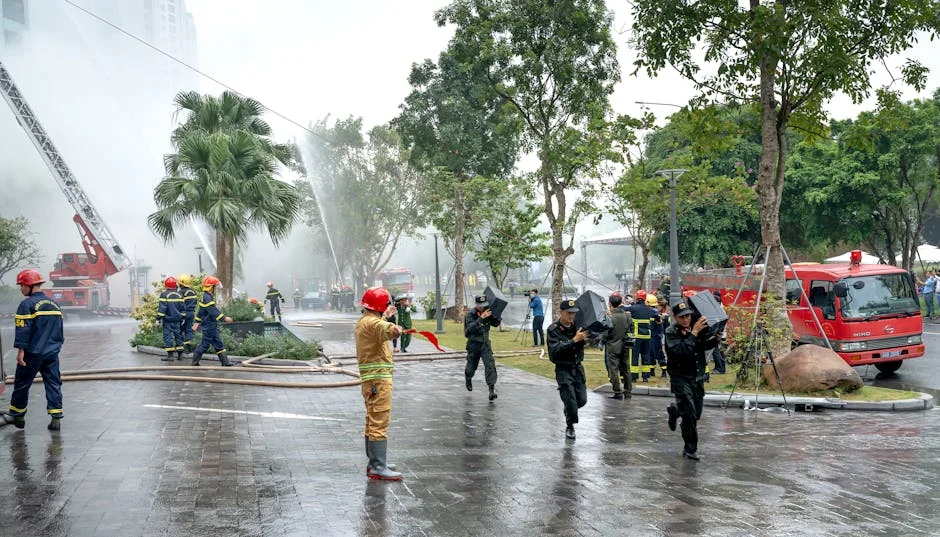
The nursing home, located in the heart of Belo Horizonte, collapsed around 3 PM local time. Eyewitnesses reported hearing a loud rumble before the structure gave way, trapping numerous residents inside. Initial reports indicate that at least 20 individuals have been confirmed dead, with dozens more still unaccounted for. Rescue teams from across Minas Gerais have been dispatched to the scene, employing cranes and dogs trained to locate survivors amid the rubble.
Building Safety Concerns in Brazil: A Wider Issue
This incident has reignited discussions about building regulations in Brazil, particularly for facilities housing vulnerable populations such as the elderly. The Brazilian government has faced criticism for lax enforcement of construction standards, which many believe contributed to this tragedy. As Brazil grapples with its infrastructural challenges, the situation poses important questions about accountability and future prevention measures.
Lessons for African Development Goals
The collapse in Minas Gerais serves as a stark reminder for many African nations, including Nigeria, regarding the importance of stringent building codes and disaster preparedness. African development goals emphasise creating resilient infrastructure and promoting sustainable urbanisation. The challenges Brazil faces resonate with similar issues across the continent, where rapid urban growth and inadequate regulatory frameworks often lead to tragic outcomes.
Rescue Efforts and Community Resilience
The ongoing rescue efforts highlight the resilience of communities when faced with calamity. Local volunteers have joined professional rescuers, providing food, water, and moral support to affected families. This communal response illustrates a vital aspect of resilience, which can be harnessed in African contexts as nations work to bolster local capacities in the face of disaster.
What’s Next: Monitoring and Advocacy
As the search for survivors continues, the focus will shift to ensuring that similar tragedies do not happen again. Advocates for safer building practices in Brazil and across Africa are calling for more stringent regulations and better enforcement. The lessons learned from this incident can inform policies aimed at improving infrastructure, health, and governance on the continent, potentially saving lives in future crises.