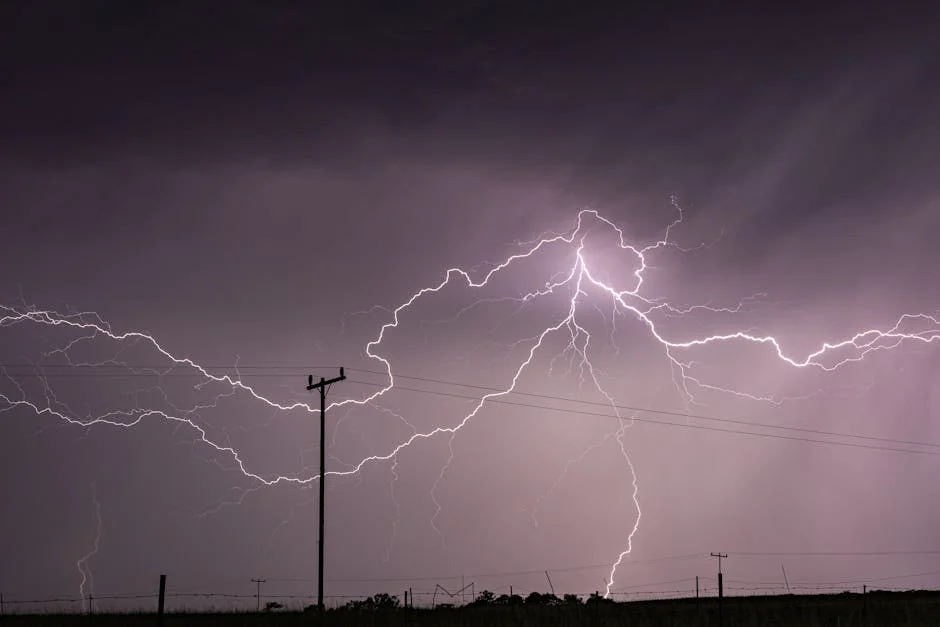
Kwazulu-Natal authorities have issued a severe storm warning for today, March 3rd, as a Level 4 alert is activated across the region. The alert signals significant risks from heavy rainfall and potential flooding, prompting officials to prepare for emergency responses.
Understanding the Level 4 Alert and Its Implications
The Level 4 alert indicates that severe weather conditions are anticipated, potentially leading to hazardous situations. South Africa's Weather Service has reported that heavy rains, combined with strong winds, could result in localised flooding and damage to infrastructure. This warning covers various areas in KwaZulu-Natal, affecting both urban centres and rural communities.
The Historical Context of Severe Weather in KwaZulu-Natal
Severe storms are not uncommon in KwaZulu-Natal, a province known for its diverse climate and geography. In recent years, the area has faced increasing incidents of extreme weather, raising concerns over infrastructure resilience and community preparedness. The historical context reveals that such storms often disrupt daily life, affecting transport, health services, and education, which further complicates efforts for sustainable development.
Impact on Development Goals and Opportunities for Resilience
This storm warning intersects with Africa's broader development goals, particularly those related to climate resilience and sustainable infrastructure. The African Union's Agenda 2063 calls for enhancing resilience to climate change, and events like this highlight the urgent need for improved disaster preparedness strategies. KwaZulu-Natal's infrastructure, including roads and healthcare facilities, must be capable of withstanding extreme weather events to ensure ongoing economic growth and community well-being.
How Natal's Challenges Resonate with Nigeria and Other African Nations
The situation in KwaZulu-Natal serves as a reminder of the similar challenges faced by regions like Nigeria, where severe weather patterns can disrupt agriculture, health services, and governance. As Nigeria grapples with its own climate challenges, learning from Natal's experience could inform policies aimed at enhancing resilience. This exchange of knowledge is crucial for fostering regional cooperation in addressing environmental challenges across the continent.
Looking Ahead: Consequences and Required Actions
The immediate consequence of the Level 4 alert is heightened vigilance among residents and local authorities in KwaZulu-Natal. However, the long-term implications for development are profound. Policymakers must prioritise infrastructure improvements and invest in early warning systems to mitigate the impact of such storms in the future. As the region braces for the predicted severe weather, all eyes will be on how effectively authorities respond to protect vulnerable communities.